



The Myth of 'Indian Food'
Let’s be honest: when most Americans think of Indian food, they're really thinking of North Indian or Punjabi cuisine. This isn't an accident. In the mid-20th century, as India forged its national identity, this robust, tandoor-driven style—popularized
by refugees from the Punjab region after the 1947 partition—became the default restaurant fare. It was hearty, delicious, and relatively easy to standardize for a global audience. This created a convenient but misleading monolith. Imagine if all 'American food' was represented solely by New England clam chowder and lobster rolls. You’d be missing out on Texas barbecue, Louisiana gumbo, and California’s farm-to-table ethos. For years, the same thing happened with Indian cuisine. The complex, distinct food cultures of states like Odisha, Bihar, Assam, or Kerala were largely invisible on the national and international stage, existing only in home kitchens.
A New Generation of Culinary Patriots
So, what changed? A perfect storm of social media, economic growth, and a new wave of curious, passionate chefs. Millennial and Gen Z Indians, with more disposable income and a desire to connect with their roots, began looking inward. They started documenting their grandmothers' recipes on Instagram and seeking out authentic local flavors during their domestic travels. Chefs, in turn, stopped looking to France and Italy for inspiration and started exploring their own backyards. They embarked on culinary research trips, not to Paris, but to the remote villages of Nagaland or the coastal kitchens of Goa. Chefs like Thomas Zacharias, formerly of The Bombay Canteen, became famous for their journeys across India, bringing back forgotten recipes and ingredients. This wasn't just about cooking; it was an act of culinary archaeology, reclaiming lost techniques and celebrating ingredients that had been dismissed as too 'regional' or 'humble' for fine dining.
Beyond Butter Chicken: Flavors on the Rise
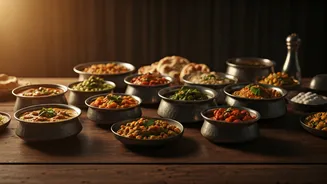
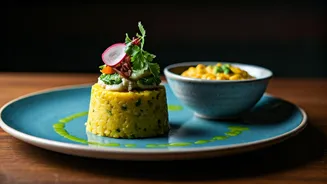
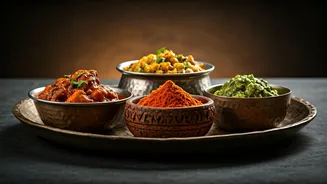
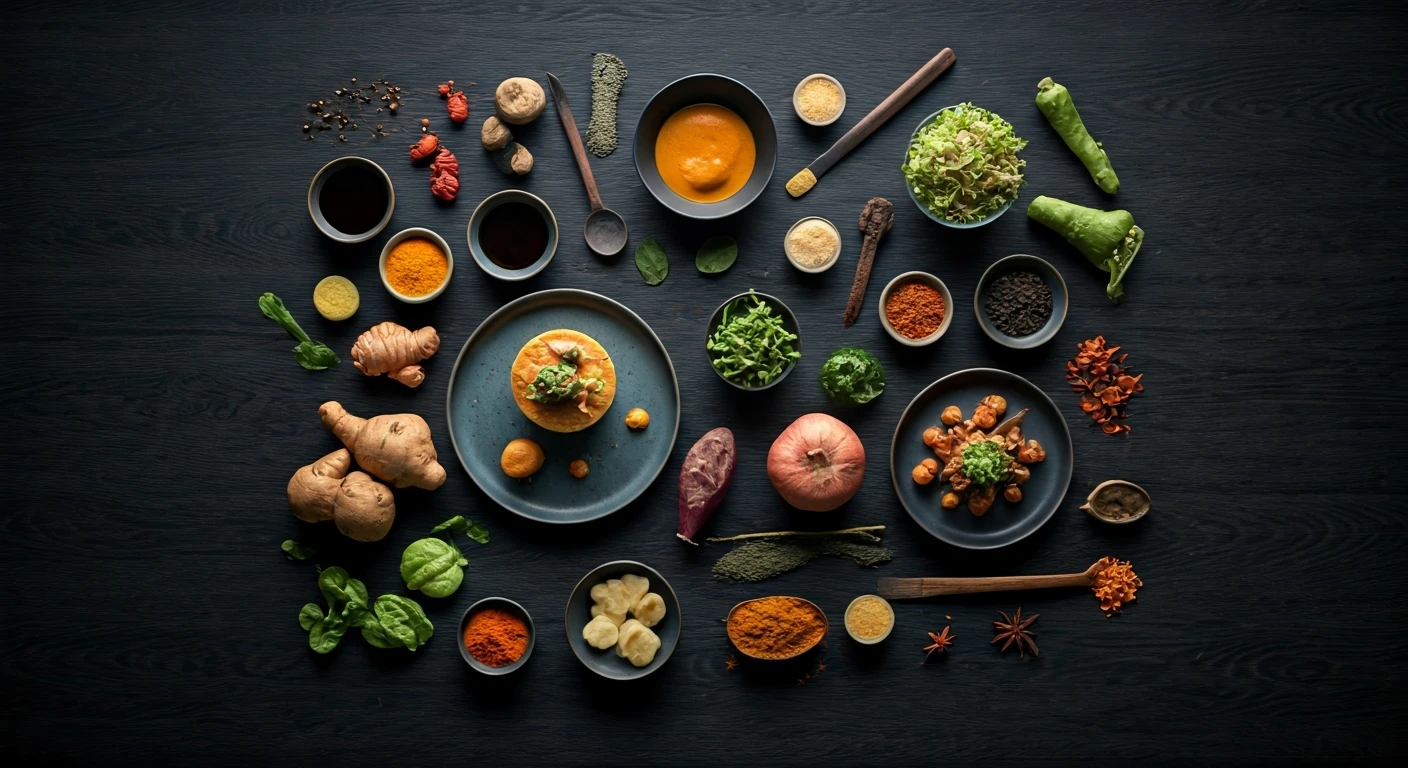
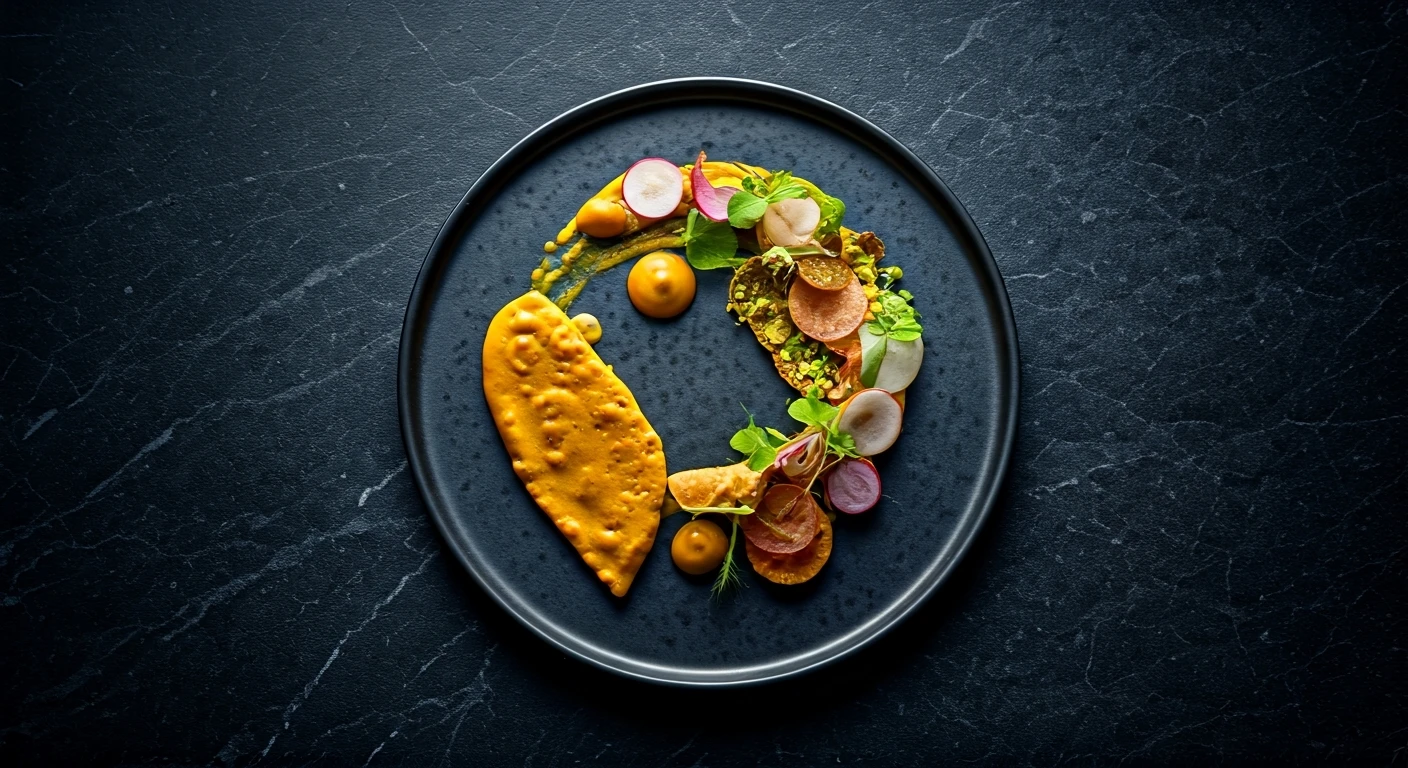
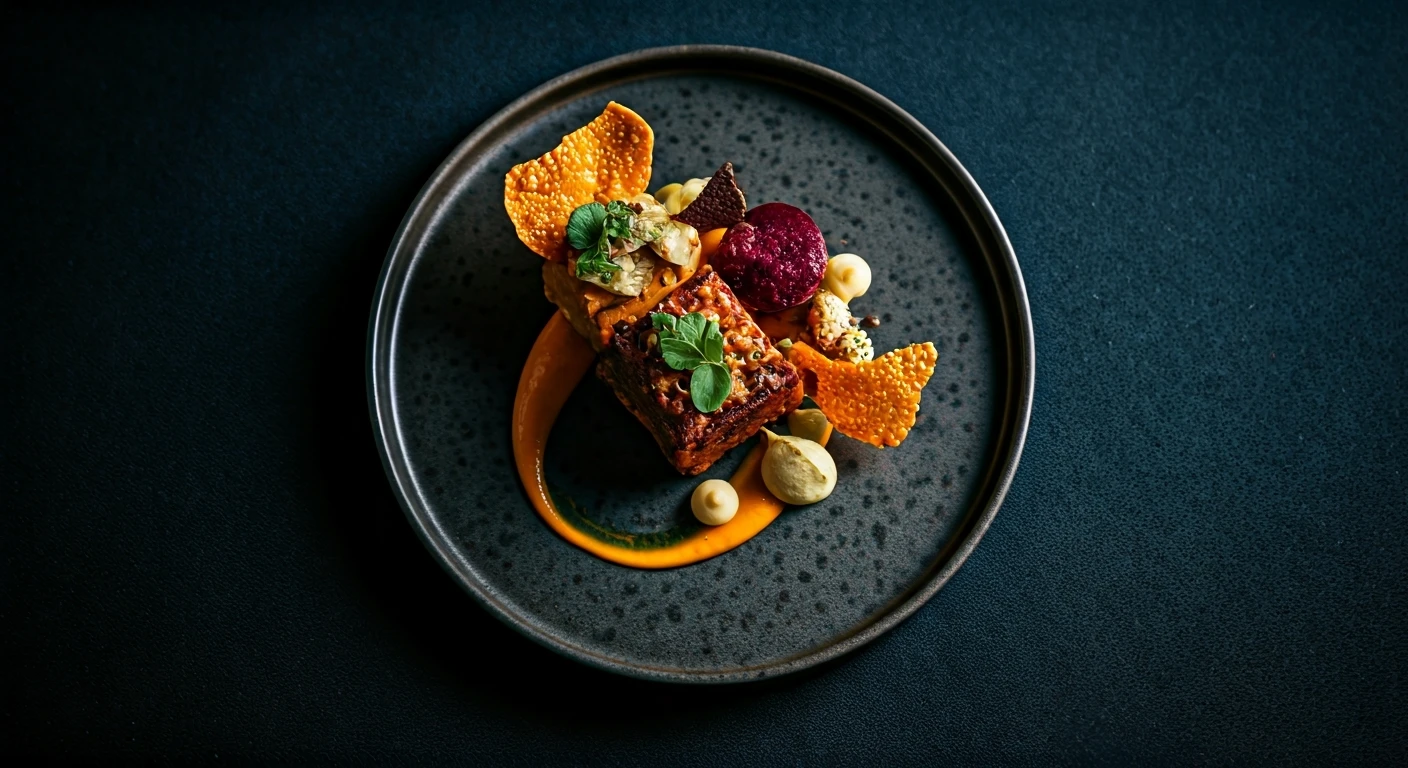
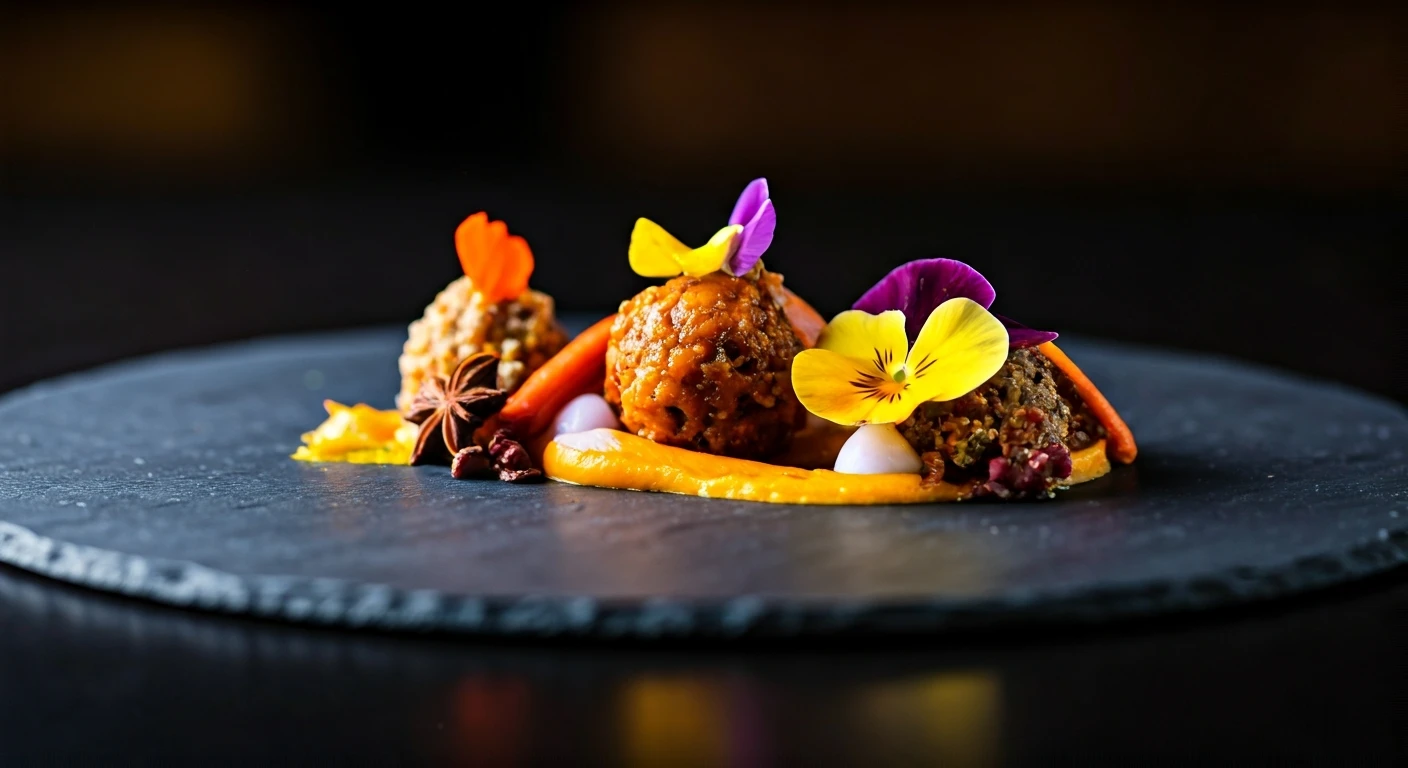
This new pride has brought a spectacular array of flavors to the forefront. In cities like Mumbai and Delhi, restaurants are now proudly serving dishes that were once hyper-local secrets. You might find Litti Chokha, a rustic whole-wheat dough ball stuffed with spiced chickpea flour, a staple of Bihari cuisine. Or you could encounter a delicate Bengali Macher Jhol, a fish stew seasoned with panch phoron (a five-spice blend) and the pungent kick of mustard oil—a world away from the creamy tomato gravies of the north. From the south, it's no longer just about the dosa. Menus now explore the fiery, coconut-rich seafood curries of the Malvani coast or the peppery, complex Chettinad cuisine from Tamil Nadu. Even lesser-known tribal cuisines, with their focus on foraged greens, fermented bamboo shoots, and unique meats, are finding a place on sophisticated urban menus. Each dish tells a story of a specific place, climate, and community.
Coming to a Menu Near You
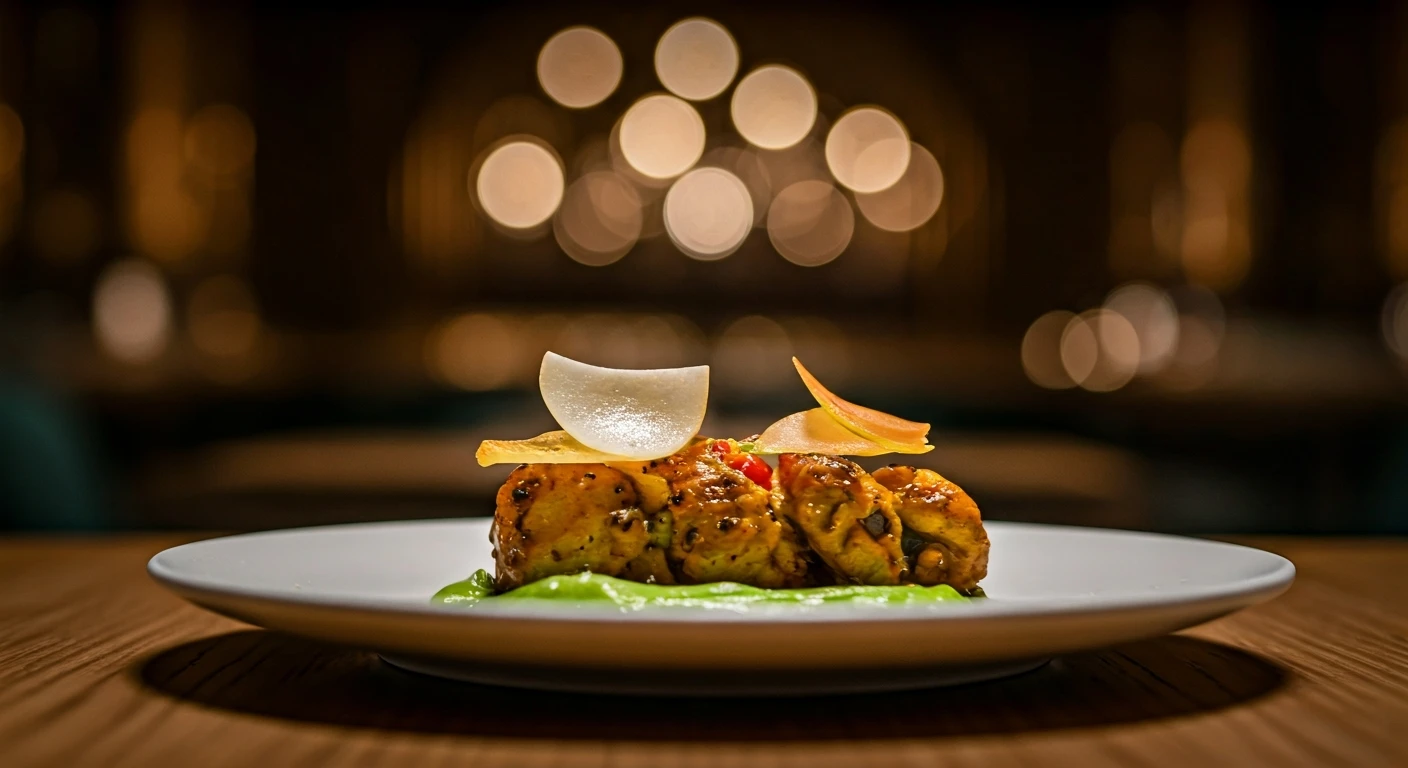
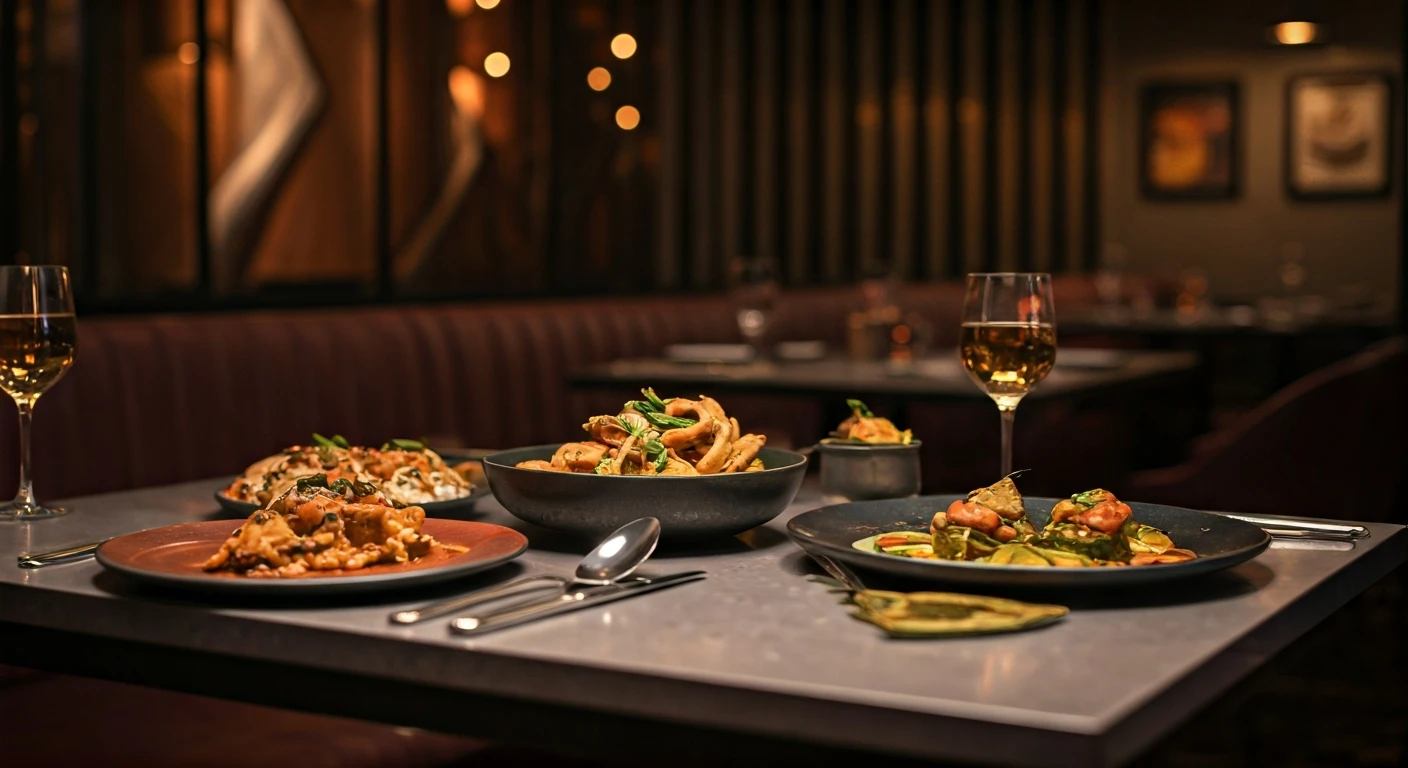
This isn't just a trend confined to India. It's already reshaping the Indian food scene in the United States. For years, ambitious Indian restaurants in the U.S. tried to win accolades by 'elevating' their food with French techniques. Now, the path to critical acclaim is through authenticity and regional specificity. Look no further than Semma in New York City, which earned a Michelin star by unapologetically serving the food of Tamil Nadu, a southern Indian state. Its menu features dishes like venison with parotta and snail curry—items that would have been unthinkable in an upscale Indian restaurant a decade ago. This success signals a major shift. As diners become more adventurous, they are rewarding restaurants that dare to go deep rather than broad, offering a genuine taste of a single region instead of a pan-Indian buffet. The message is clear: specificity is the new luxury.