




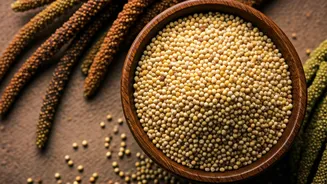
From Pantry Staple to Center Stage
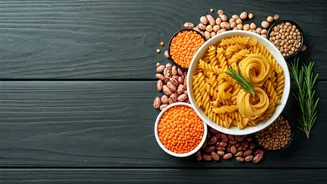
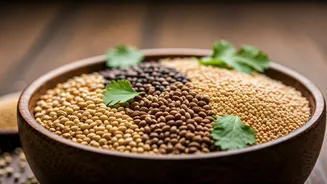
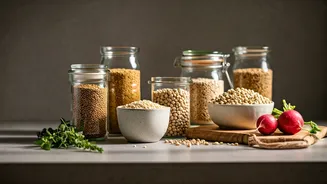
For generations, legumes like beans, lentils, and chickpeas were seen as reliable, if unexciting, pantry fillers. They were the backbone of budget meals, the stuff of soups and stews, but rarely the star of the show. That perception is rapidly changing.
Influencers are posting recipes for lentil bolognese and crispy chickpea snacks, and restaurant menus are highlighting dal and cassoulet not as afterthoughts, but as feature attractions. This shift isn't happening in a vacuum. It’s a direct response to a growing public desire for whole, unprocessed foods. As consumers become more skeptical of lab-grown meats and hyper-processed plant-based alternatives, the simple, natural goodness of a bean starts to look revolutionary. It's food you can recognize, with a history stretching back millennia.
The Nutritional Powerhouse Hiding in Plain Sight
From a health perspective, the rise of the legume is long overdue. They are one of nature's most perfect nutritional packages. First and foremost, they are fiber champions. The average American gets less than half the recommended daily fiber, which is critical for digestive health, managing cholesterol, and maintaining stable blood sugar. A single cup of cooked lentils packs over 15 grams of it. Legumes are also a fantastic source of plant-based protein, providing the building blocks for muscle repair and keeping you feeling full longer, which can help with weight management. Unlike some other protein sources, they come with a bonus: a host of essential micronutrients like folate, iron, potassium, and magnesium, all while being naturally low in fat and sodium. They provide slow-release energy, preventing the spike-and-crash cycle associated with refined carbohydrates.
The Inflation-Busting Superfood
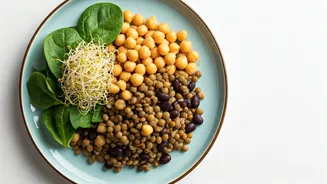
Let's talk about the price tag. As grocery bills climb, shoppers are getting smarter about where they get their nutrients, and legumes are an undeniable economic win. Ounce for ounce, they are one of the cheapest sources of high-quality protein available. A pound of dry lentils, which can yield over 12 cooked servings, often costs less than a single pound of ground beef. This affordability makes them a powerful tool for stretching a food budget without sacrificing nutrition. Swapping meat for beans or lentils just once or twice a week can lead to significant savings over a month. This isn't about deprivation; it's about smart substitution. You can bulk up tacos with black beans, add chickpeas to salads for a protein boost, or make a hearty red lentil soup that costs pennies per serving. In an era of economic uncertainty, the humble bean is a delicious form of financial self-care.
A Lighter Footprint on the Planet
The legume's appeal extends beyond our bodies and wallets to the health of the planet. The production of animal protein is notoriously resource-intensive, requiring vast amounts of land, water, and feed. Legumes, by contrast, are paragons of sustainability. They have a significantly smaller water footprint; for example, producing a gram of protein from beans requires a fraction of the water needed for a gram of beef protein. Furthermore, many legumes have a remarkable symbiotic relationship with soil bacteria that allows them to 'fix' nitrogen from the atmosphere. This means they enrich the soil they grow in, reducing the need for synthetic nitrogen fertilizers, which contribute to greenhouse gas emissions and water pollution. Choosing legumes is a simple, tangible way for an individual to reduce their environmental impact with every meal.
How to Join the Legume Moment
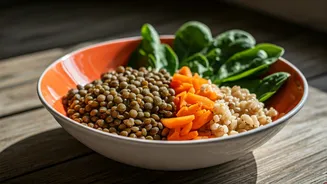
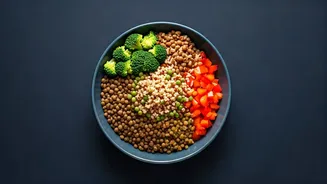
Getting started is easier than you think. Don't be intimidated by stories of overnight soaking. Canned beans are a perfectly healthy, convenient option—just give them a good rinse to wash away excess sodium. Start small by adding a can of kidney beans to your favorite chili recipe or tossing chickpeas onto a sheet pan with roasted vegetables. Blend white beans into a creamy pasta sauce for a hidden protein and fiber boost. Try making a simple lentil soup, which requires little more than sautéing some onions and carrots before adding lentils and broth. The key is to see them not as a sad substitute, but as a versatile and delicious ingredient in their own right.