



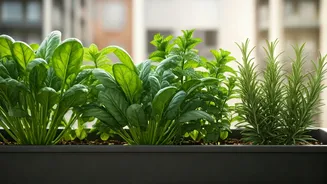
Why Go Countertop?
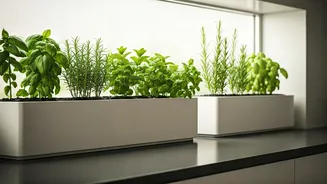
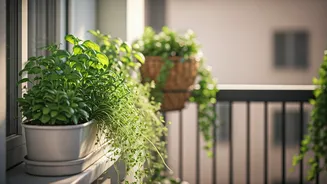
Before we dive into what to grow, let’s talk about the “why.” A countertop garden is the ultimate small-space solution. It requires no balcony, no yard, and often, not even a particularly sunny window (thanks to modern grow lights). It’s a low-commitment
way to connect with your food, reduce waste, and add a vibrant, living element to your home decor. For the aspiring “plant parent,” it’s an opportunity to nurture something that gives back in the most delicious way. Plus, there’s an undeniable satisfaction in snipping fresh herbs for your pasta sauce or topping a sandwich with microgreens you grew yourself.
Getting Started: Pot vs. Hydroponic
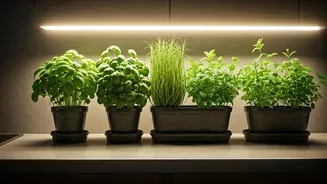
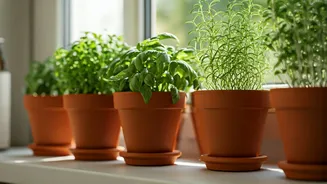
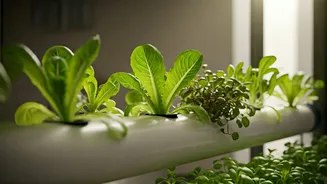
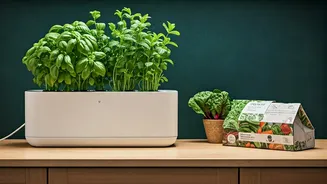
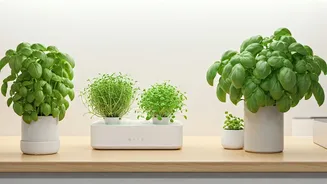
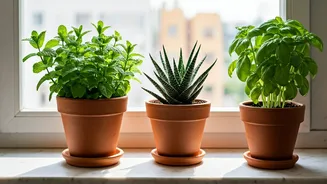
You have two main paths. The traditional route involves small pots, good quality potting mix, and a drainage tray. This is cost-effective and gives you that classic soil-under-the-fingernails experience. The modern alternative is a self-contained hydroponic system. These smart gardens often come with built-in LED grow lights and a self-watering reservoir, taking most of the guesswork out of the equation. They are more expensive upfront but are incredibly efficient and clean, making them ideal for a tidy kitchen. For beginners, starting with a simple pot of basil or mint is a perfect, low-risk entry point.
The Culinary Classic: Basil
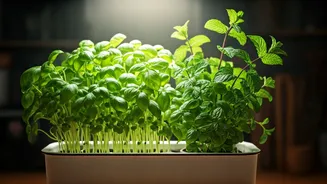
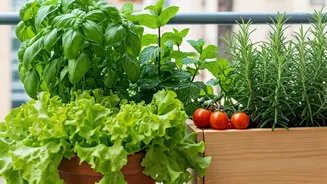
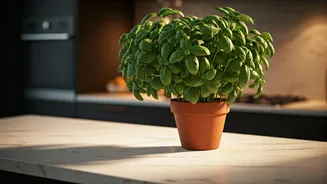
If you could only grow one thing, it should be basil. This fragrant herb is the heart of pesto, a perfect partner to tomatoes, and a game-changer in countless Italian and Thai dishes. Genovese basil is the most common, but don't be afraid to try lemon or Thai basil for variety. It loves sun, so a south-facing windowsill is ideal. If you don't have one, a simple grow light will do the trick. Keep the soil consistently moist but not waterlogged. The best part? The more you harvest its leaves (by pinching off the tops), the bushier and more productive the plant will become.
The Unkillable Herb: Mint
Mint is notoriously vigorous, which is exactly what you want in a countertop plant. It’s so aggressive that it’s often a terrible choice for an outdoor garden, where it can take over everything. But contained in its own pot, it’s a gift that keeps on giving. Perfect for mojitos, iced tea, or a refreshing garnish for desserts, mint is incredibly forgiving. It tolerates lower light conditions better than most herbs and bounces back quickly from neglect. Just give it its own pot—it does not play well with others—and enjoy a limitless supply.
The Nutrient Powerhouse: Microgreens
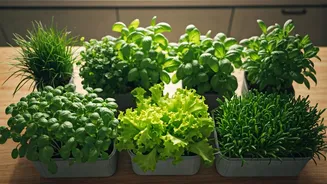
Want near-instant gratification? Grow microgreens. These are just the baby versions of vegetables like broccoli, arugula, radish, and kale, harvested just after their first true leaves appear. They are packed with nutrients—often containing higher concentrations of vitamins than their mature counterparts. You can grow them in a shallow tray of soil or a hydroponic mat. From seed to harvest can take as little as 7 to 14 days. Sprinkle them on salads, sandwiches, and soups for a pop of flavor, color, and nutrition.
The Easiest Garnish: Chives
Chives are members of the onion family and provide a mild, fresh oniony flavor that’s perfect for sprinkling over baked potatoes, eggs, or creamy soups. They are one of the most low-maintenance herbs you can grow. They thrive in a small pot and aren’t picky about sunlight. To harvest, simply snip what you need with a pair of scissors, leaving about two inches of growth behind. The plant will quickly regenerate, giving you a continuous supply with almost zero effort.
The Free Food Hack: Scallions
This is less about growing from seed and more about an amazing kitchen scrap trick. The next time you buy a bunch of scallions (or green onions), don't throw away the white root ends. Instead, place them in a small glass with an inch of water, leaving the tops exposed. Set them on your windowsill, change the water every couple of days, and within a week, you’ll see new green shoots growing. You can snip off what you need and they’ll keep regrowing for several cycles. It’s the ultimate sustainable, zero-cost countertop garden.