




The Great Thaw: Why June is Prime Time
Imagine a world emerging from a deep freeze. That's northern India’s Himachal Pradesh state in late spring. After a long, harsh winter, the Indian Army’s Border Roads Organisation accomplishes a Herculean task: clearing the massive snow drifts from the high-altitude
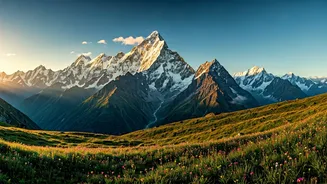
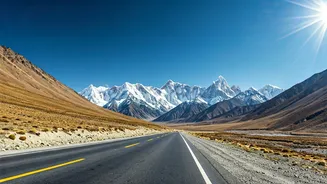
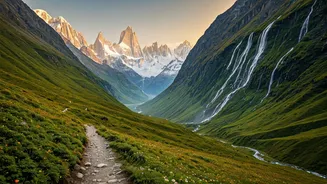
passes north of the popular hill station of Manali. June is the month this work typically concludes, and the gates to the high Himalayas swing open for a fleeting summer season. For adventure travelers, this isn't just the start of a new season; it’s a call to witness one of the planet’s most dramatic landscapes at its most dynamic. You get to drive between towering walls of snow, watch meltwater waterfalls cascade down mountainsides, and be among the first to traverse roads that were impassable just weeks before.
The First Gate: Rohtang Pass
The legendary gateway out of the lush, green Kullu Valley is the Rohtang Pass. Sitting at a formidable 13,058 feet, its name translates to “pile of corpses,” a grim nod to the treacherous weather that can whip up in minutes. In June, however, the danger subsides, replaced by jaw-dropping spectacle. The final stretch of the climb often involves driving through a narrow channel carved from snow walls that can be over 20 feet high—a surreal, frozen canyon. While the new Atal Tunnel provides an all-weather bypass, a true Himalayan road trip demands going over the top. The feeling of cresting the pass and seeing the arid, rugged landscape of the Lahaul Valley unfold below is the first great reward. It’s a transition from one world to another, marked by prayer flags fluttering in the thin, cold air.
The Main Event: The Manali-Leh Highway
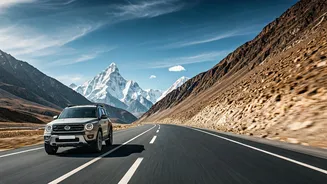
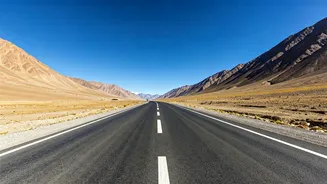
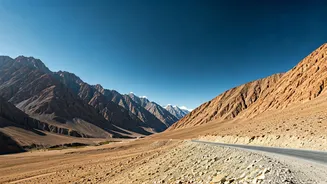
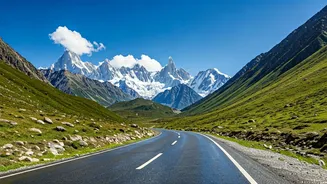
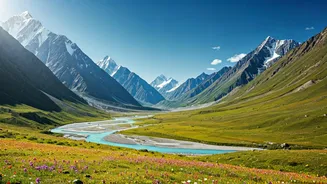
Rohtang Pass is just the appetizer. For many, it's the first step on the legendary Manali-Leh Highway, a 300-mile odyssey considered one of the world’s greatest road trips. This route snakes through the Lahaul and Spiti district before climbing into Ladakh, crossing several passes over 16,000 feet. In early June, the full route to Leh can still be a gamble, with some higher passes like Baralacha La just opening. But the journey itself is the destination. You'll navigate the dizzying 21 hairpin bends of the Gata Loops, drive across vast, high-altitude plains, and witness a landscape so grand and empty it feels like another planet. The colors shift from the grey and brown of the rock to the impossible turquoise of glacial lakes like Suraj Tal. It’s a raw, challenging, and profoundly beautiful drive.
Your Himalayan Game Plan
This is not a casual weekend drive. Planning is essential. First, the vehicle: many travelers hire a sturdy SUV with an experienced local driver who knows the ever-changing road conditions. For the truly adventurous, renting a Royal Enfield motorcycle is the classic choice, offering an unfiltered, wind-in-your-face experience. Second, and most importantly, is acclimatization. Coming from sea level, your body needs time to adjust to the altitude. Spending a couple of days in Manali (at 6,700 feet) before heading higher is non-negotiable to avoid Acute Mountain Sickness (AMS), which can be serious. Plan to ascend slowly, stay hydrated, and listen to your body. Finally, permits are often required for non-local vehicles to cross Rohtang Pass, a detail your driver or rental agency can handle.
Beyond the Road: Culture and Connection
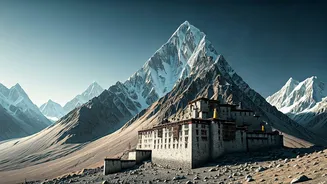
The drive is epic, but the soul of the journey lies in the stops along the way. Crossing Rohtang Pass isn't just a geographical change; it’s a cultural one. You leave the predominantly Hindu Kullu Valley and enter a region deeply influenced by Tibetan Buddhism. The landscape becomes dotted with whitewashed monasteries (gompas) clinging to cliffsides, ancient villages that seem frozen in time, and friendly locals whose resilience is as vast as the mountains they call home. Stop for a cup of butter tea, spin a prayer wheel, and savor a plate of momos (Tibetan dumplings) in a roadside dhaba. This is where the adventure transforms from a simple road trip into a rich cultural immersion.