

The Twilight of the 'Shelfie'
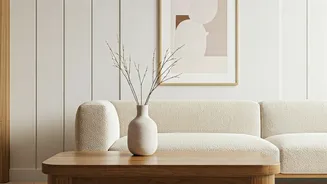
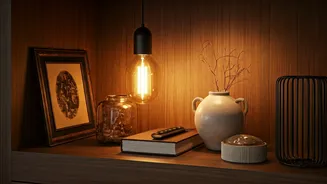
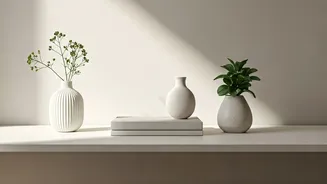
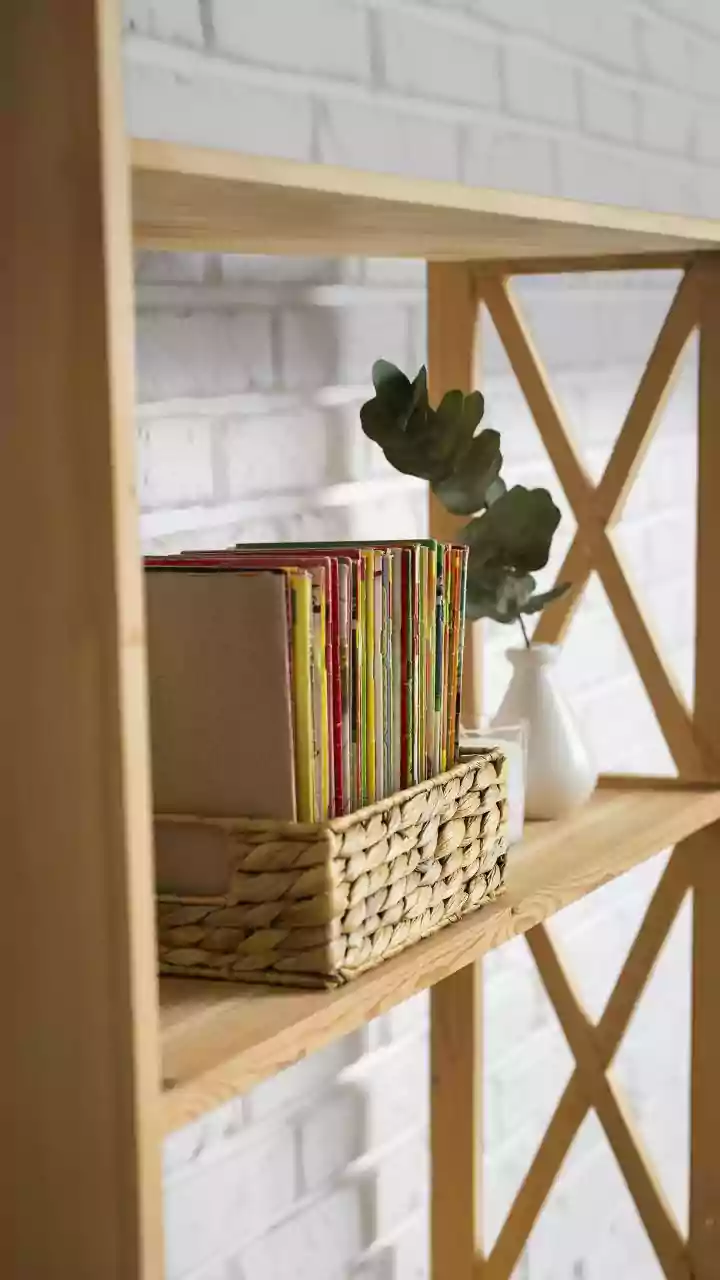
For the better part of a decade, the 'shelfie' reigned supreme. It was the ultimate interior design humblebrag, a carefully curated snapshot of one’s taste, intellect, and minimalist sensibilities, all perfectly framed for Instagram. Books were arranged
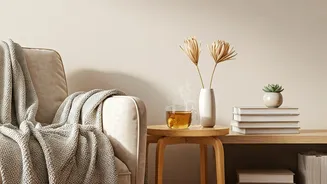
not for reading but for aesthetics—by color, by size, or turned spine-in for a mysteriously neutral look. A single, well-behaved succulent might sit alongside aDiptyque candle and a ceramic object of indeterminate function. The goal was perfection: a static, flawless composition that said, 'I have my life, and my decor, completely under control.' But like all trends, its dominance was finite. The pressure to maintain a picture-perfect display has given way to a desire for something more authentic, more dynamic, and frankly, more alive.
Enter the Living Corner
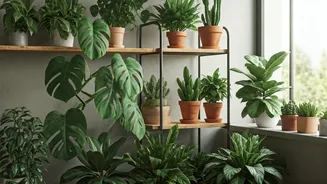
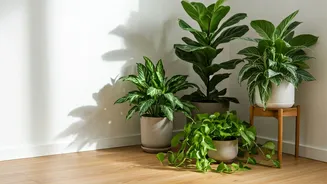
The green corner is the antithesis of the showpiece shelf. It isn't a single, lonely plant on a windowsill; it’s a deliberate cluster, a miniature ecosystem tucked into the corner of a room. It features a community of plants: a tall fiddle-leaf fig providing height, a bushy monstera creating drama, and a trailing pothos cascading from a stand or shelf. The pots don't have to match. The plants aren't always perfectly pruned. There might be a stray yellow leaf. This space is defined by its vitality and its gentle, ever-changing state of 'un-done-ness.' Where the shelfie was about curating inanimate objects to project an image, the green corner is about cultivating life to enhance a feeling. It’s less a statement piece and more a sanctuary.
A Dose of Biophilia
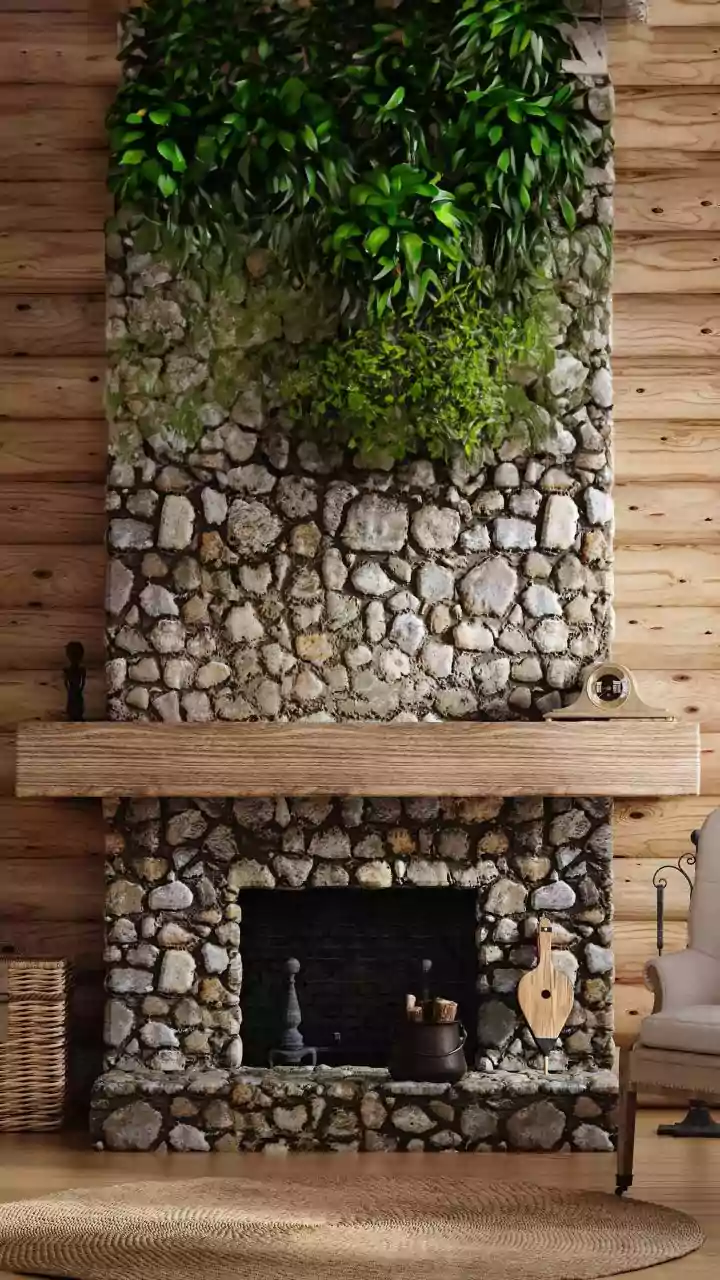
This shift isn’t just about aesthetics; it’s deeply rooted in wellness. The concept of 'biophilia'—the idea that humans have an innate tendency to seek connections with nature—has gone mainstream. In an era of endless screen time and digital burnout, bringing the outdoors in feels less like a choice and more like a necessity. Studies have long suggested that houseplants can reduce stress, boost mood, and even improve concentration. The act of caring for them provides a tangible, rewarding routine disconnected from work emails and social media notifications. Watering, pruning, and watching a new leaf unfurl offers a moment of mindfulness, a simple ritual that grounds us in the physical world. The green corner is the architectural manifestation of this craving for a natural connection.
The Post-Pandemic Interior
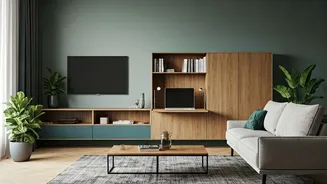
The COVID-19 pandemic acted as a powerful accelerant for this trend. As our homes transformed into our offices, gyms, schools, and entire worlds, our relationship with them fundamentally changed. A space that was once a backdrop for a busy life had to become a source of comfort and restoration. The 'plant parent' boom of 2020 was no accident. People sought ways to beautify their surroundings and find new hobbies that nurtured both their environment and their spirit. The green corner became a symbol of this domestic recalibration—a move away from designing homes for guests or for the 'gram, and toward designing them for the people who actually live there. It represents a pivot from performative perfection to personal well-being.
Creating Your Own Oasis
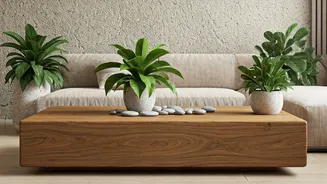
The beauty of the green corner is its accessibility. It doesn’t require a green thumb or a massive budget. The key is to think in layers and clusters. Start with a corner that gets decent light. An 'anchor' plant, like a snake plant or ZZ plant—both famously resilient—is a great foundation. Then add variety in height and texture. Place a medium-sized plant on a small stool or stand, and let a trailing plant like a philodendron or spider plant hang from the ceiling or a high shelf. Grouping plants together not only looks lush but also helps create a more humid microclimate that they’ll love. The goal isn't a flawless botanical garden, but a personal patch of green that makes you happy every time you see it.