

The Opening Scene: Blossom Showers
In the months of April and May, just before the heavy monsoon rains arrive, the Indian district of Kodagu—better known by its anglicized name, Coorg—undergoes a magical transformation. This region, nestled in the Western Ghats mountain range of Karnataka,
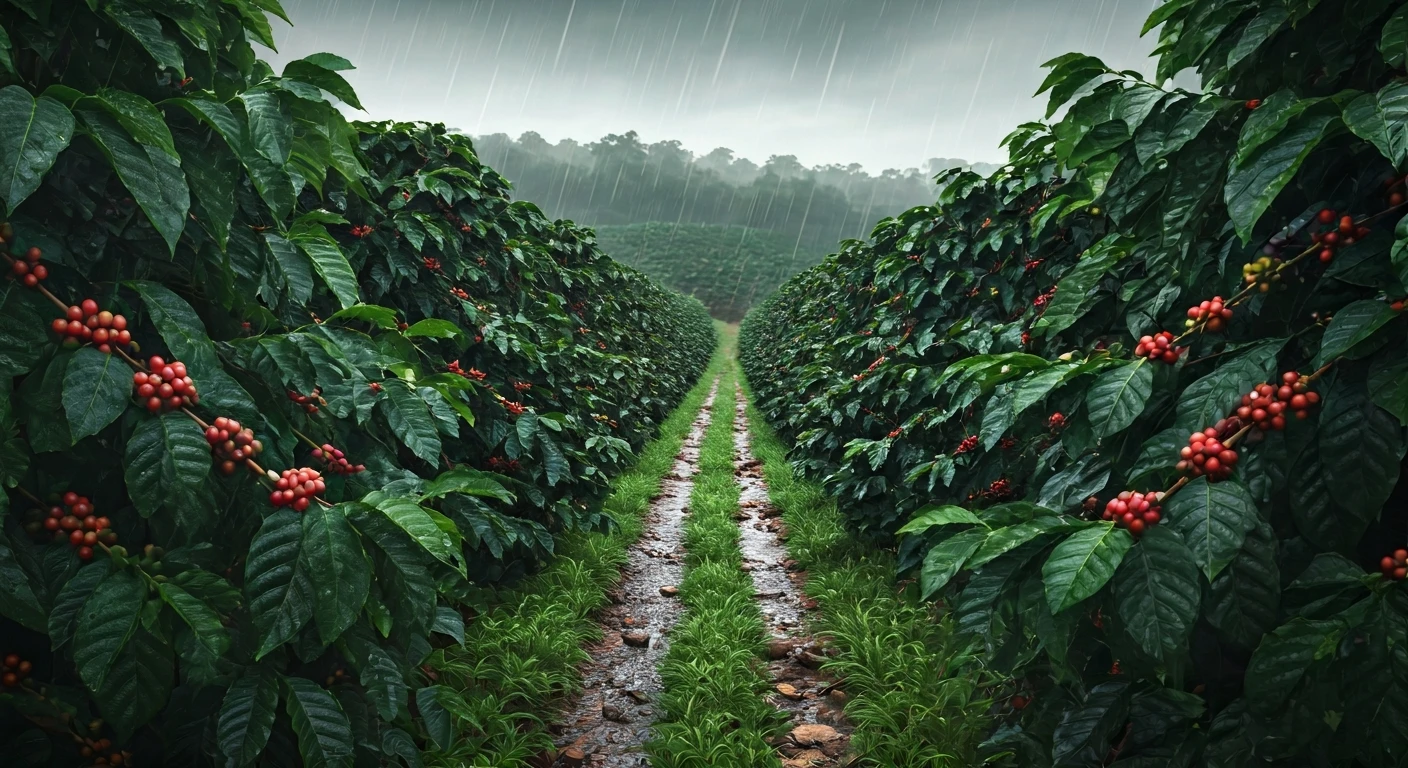
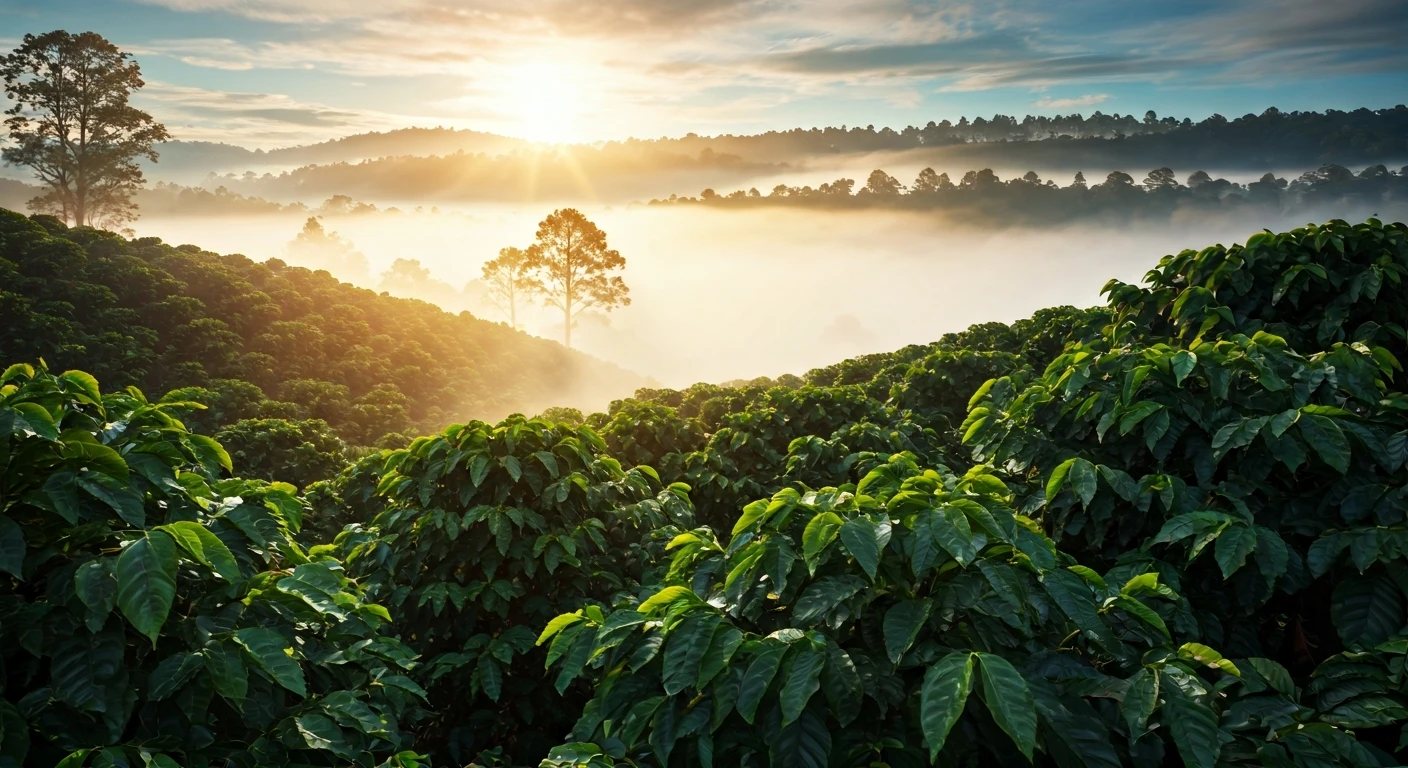
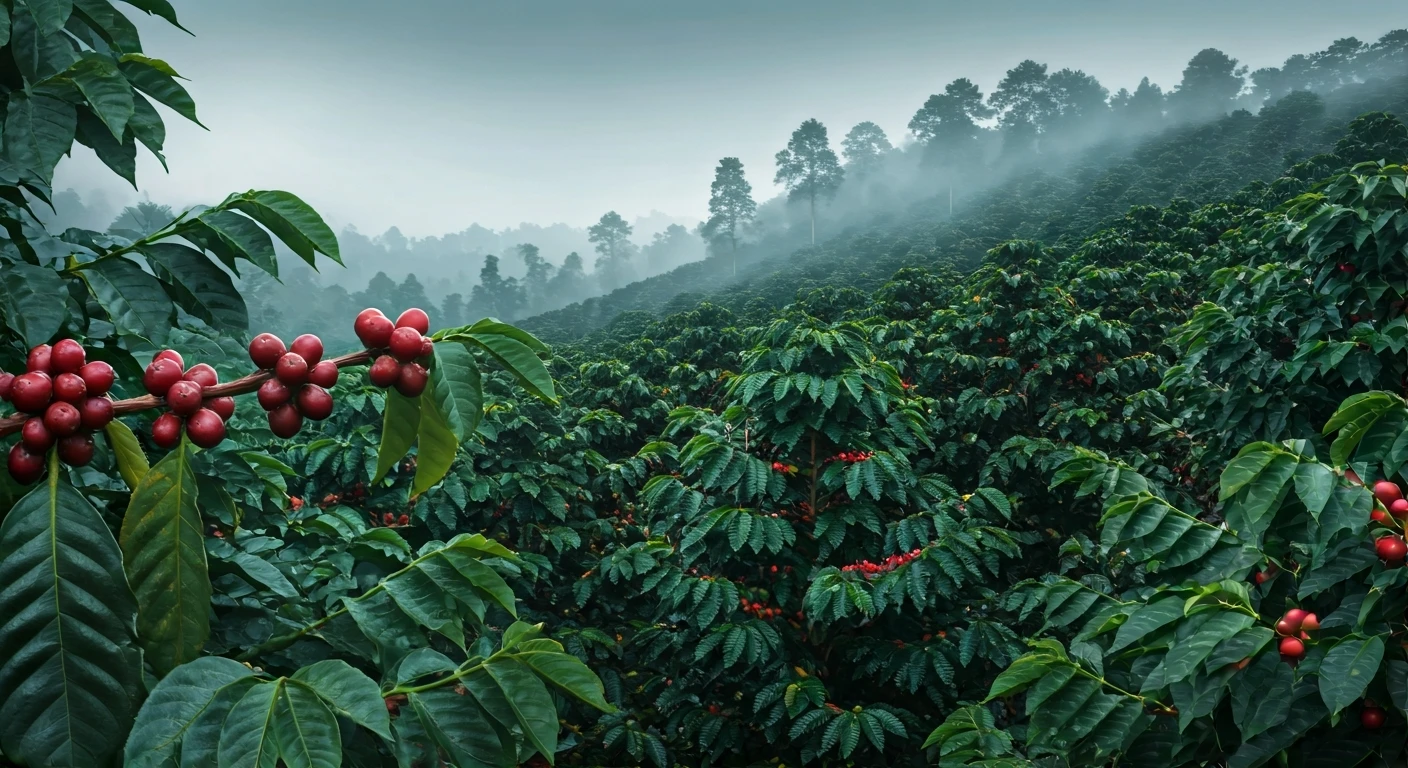
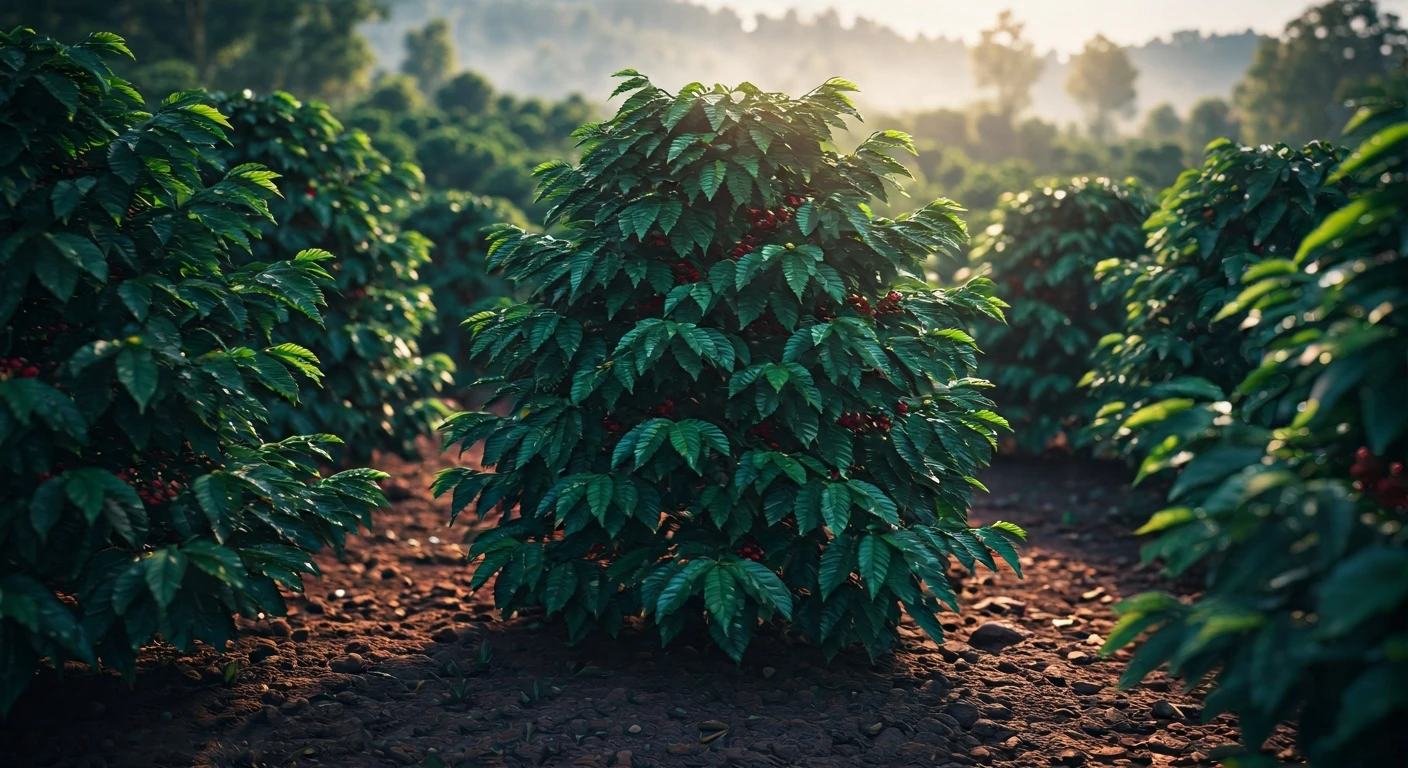
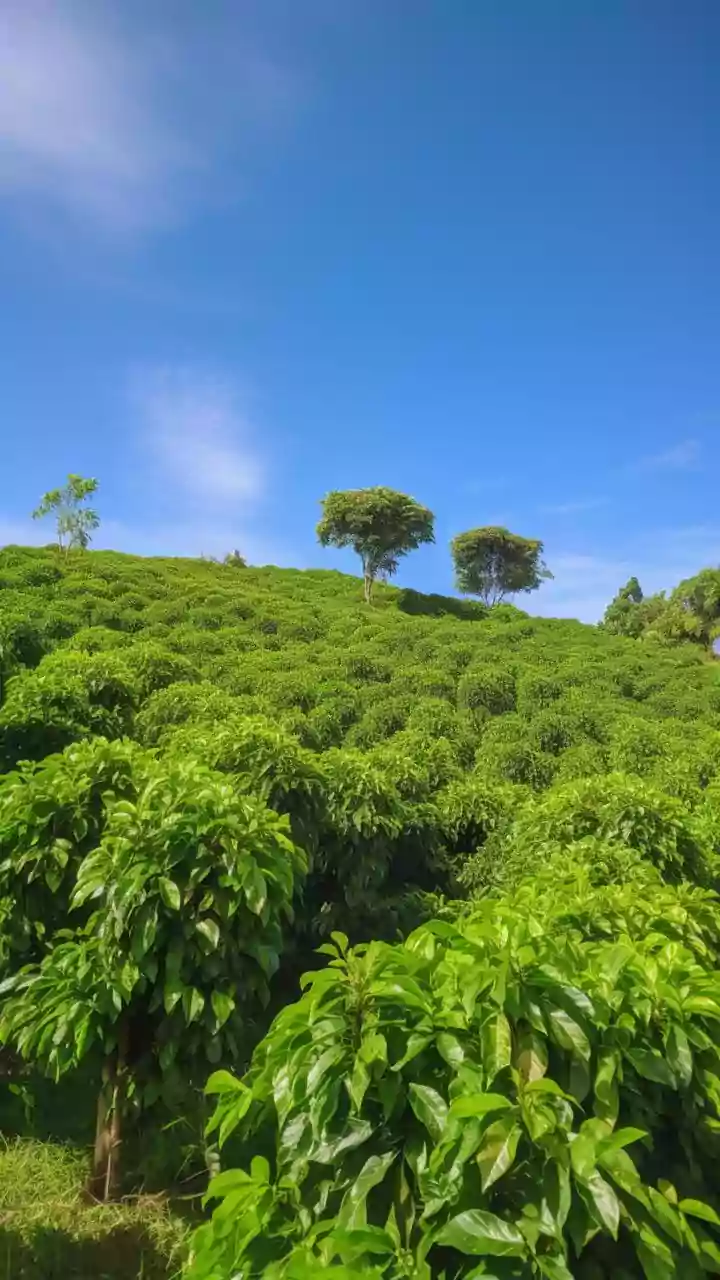
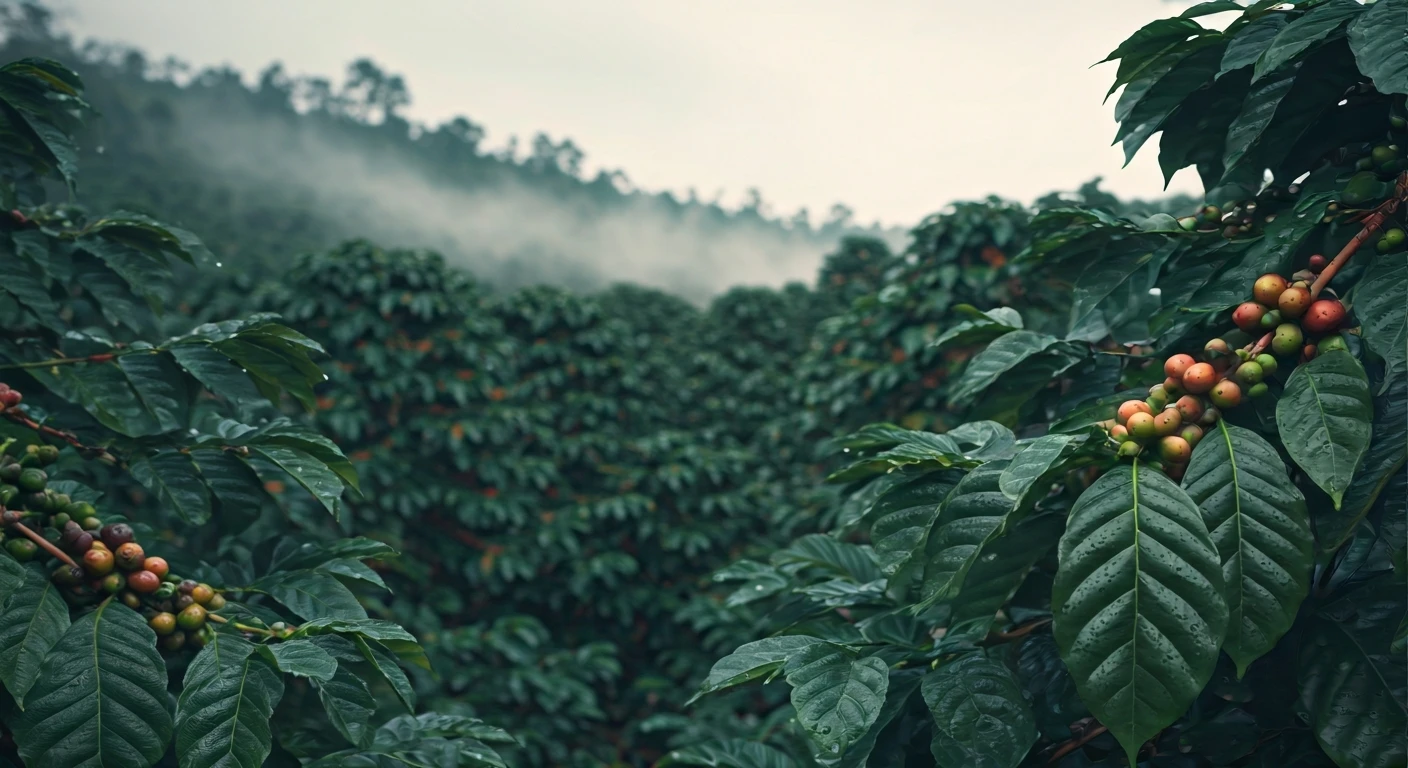
is the country’s coffee heartland. During this pre-monsoon period, the vast coffee plantations erupt in a sea of delicate white blossoms. The sight is breathtaking, with entire valleys blanketed in what looks like a light dusting of snow. The air becomes thick with a sweet, jasmine-like fragrance. The locals call this time of year “blossom showers,” when short, intense bursts of rain fall from dramatic clouds, nourishing the flowers before disappearing as quickly as they came. This interplay of brilliant sunshine, dark clouds, and fragrant blossoms creates a moving, dynamic landscape that feels art-directed by nature itself.
Atmosphere and Mood Lighting
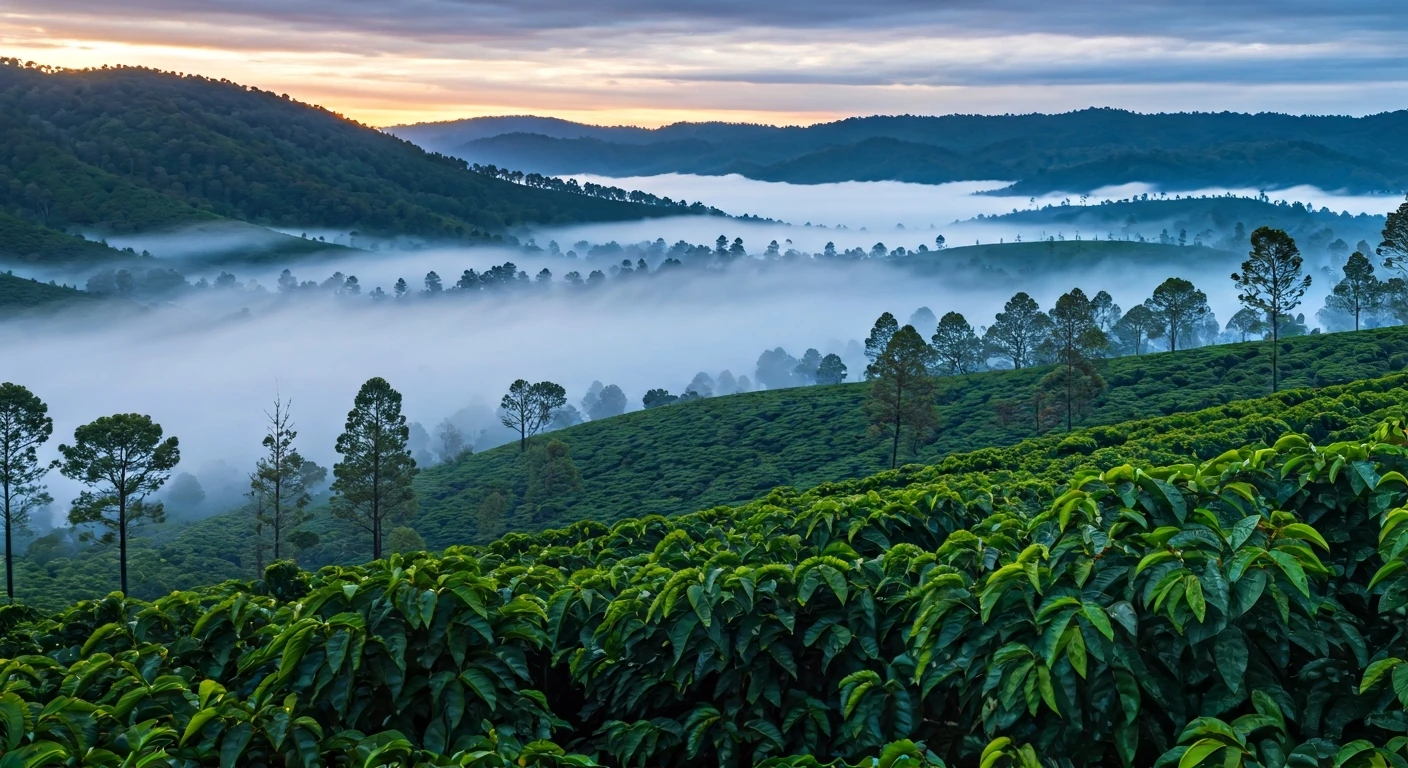
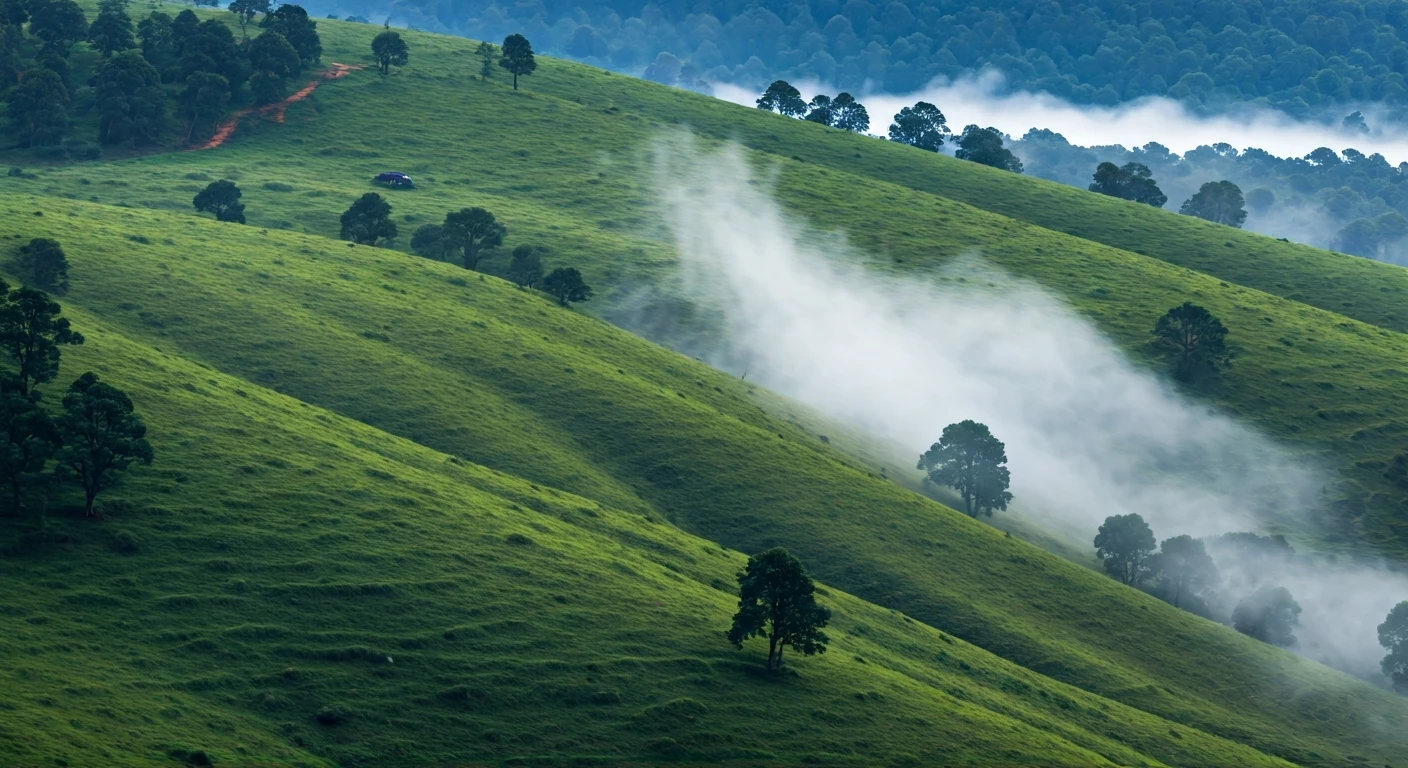
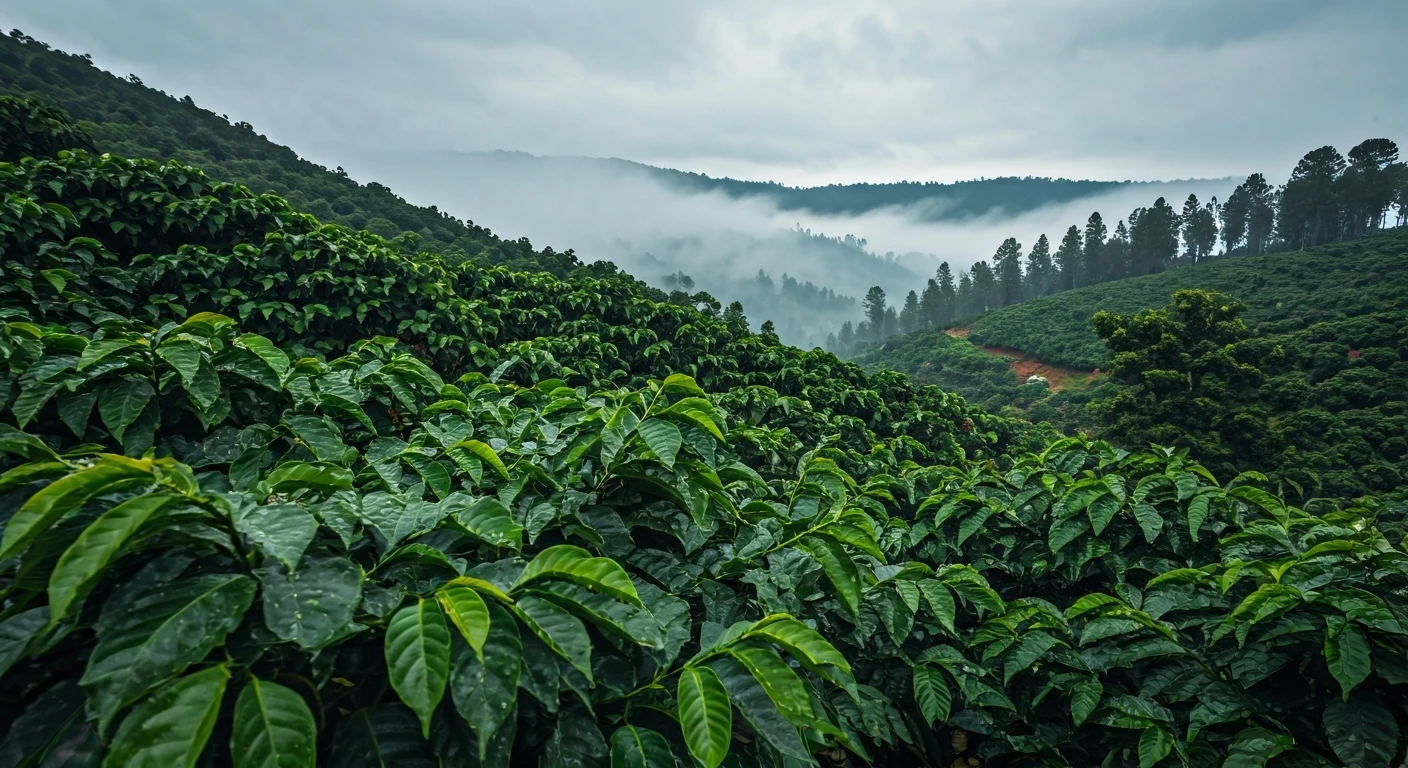
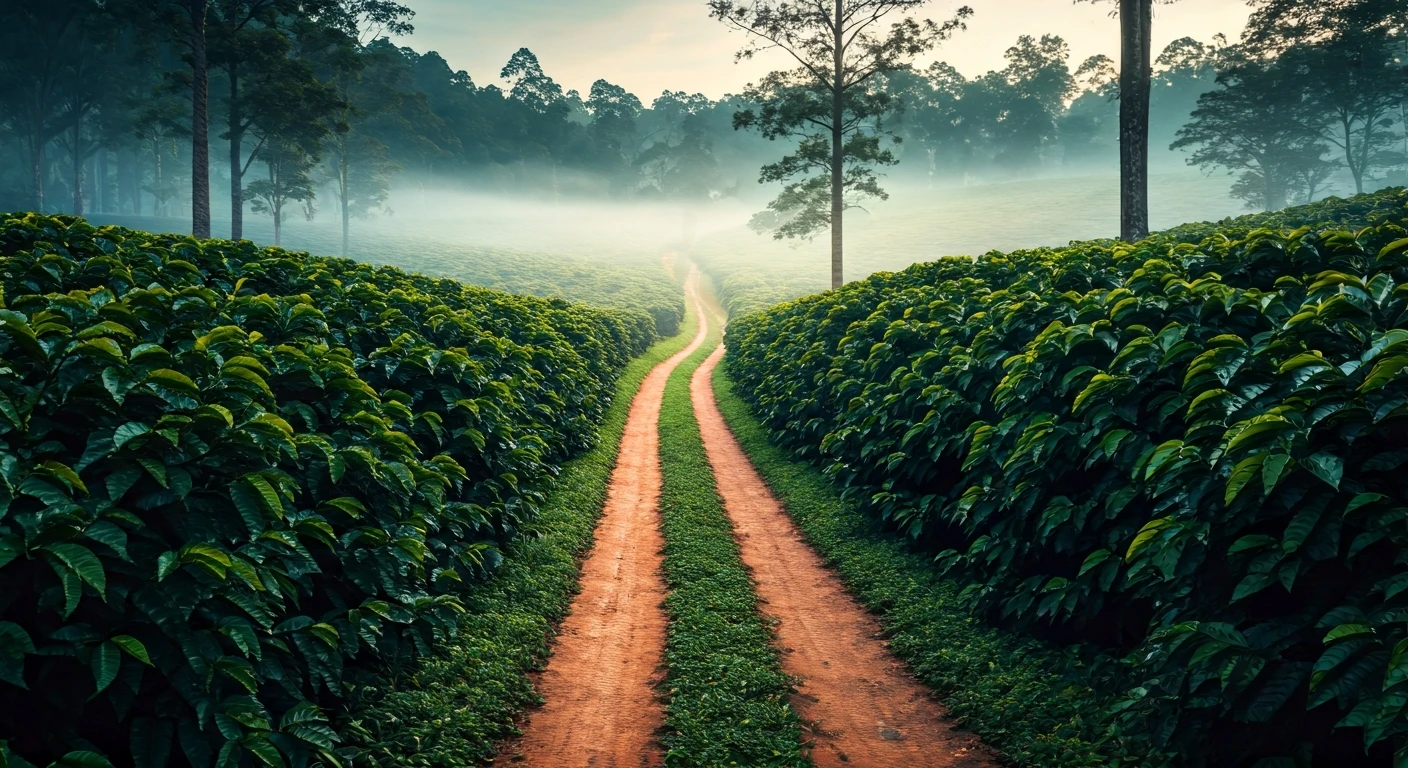
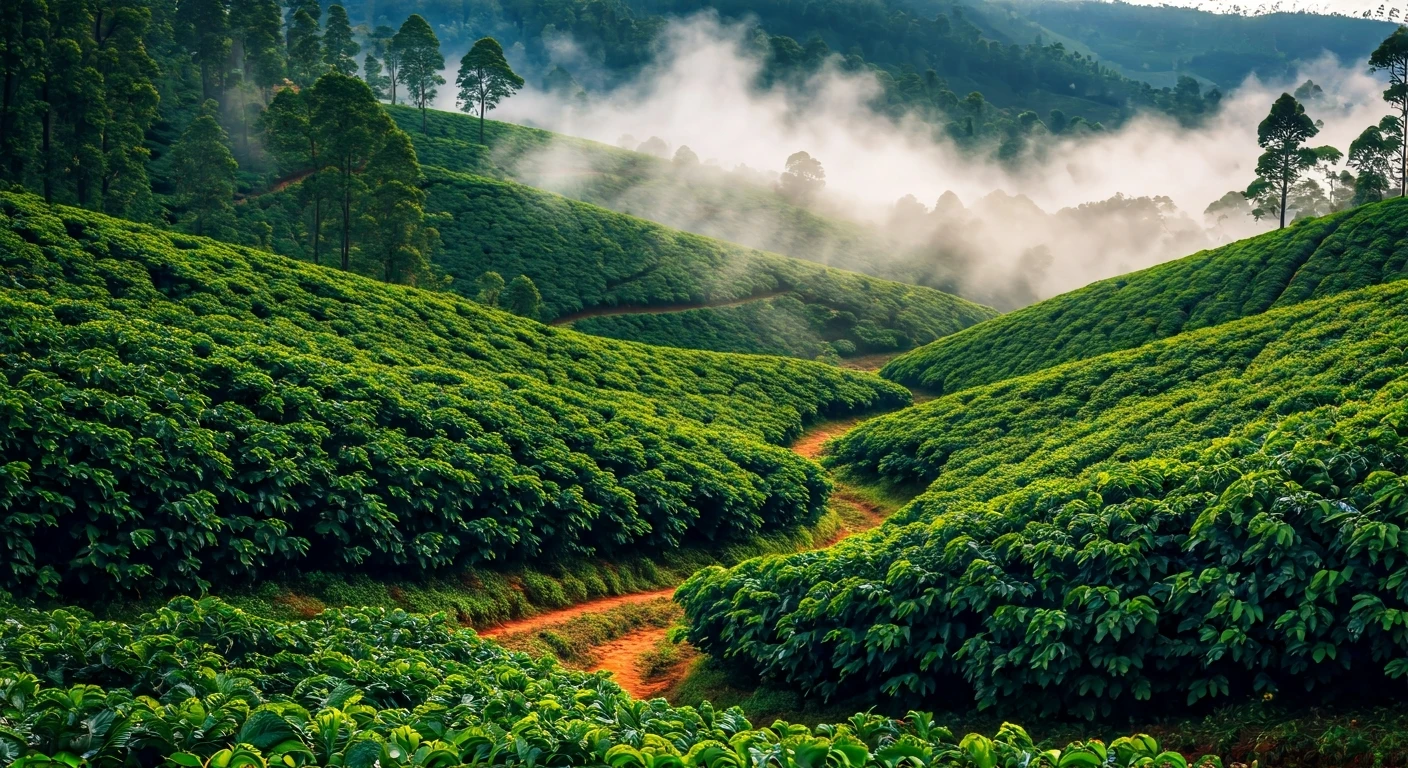
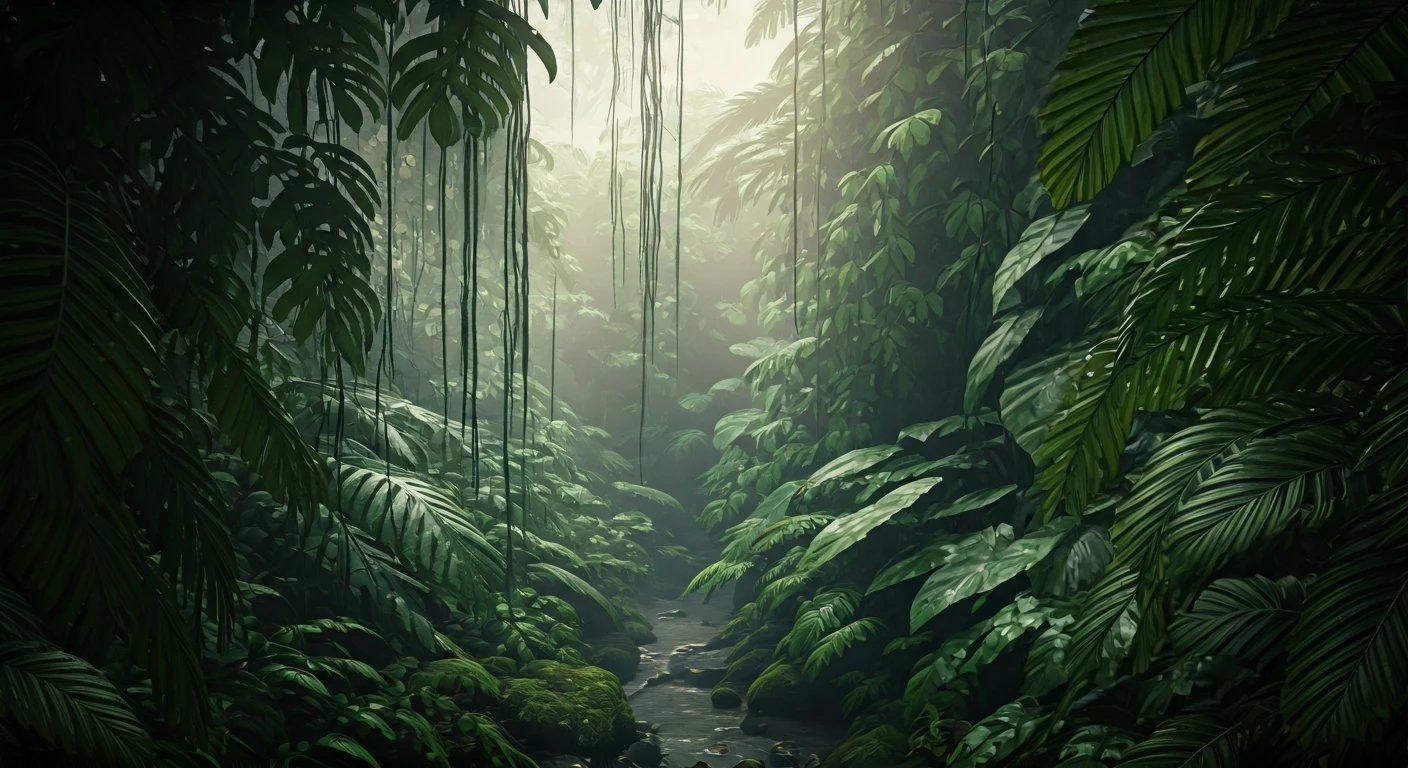
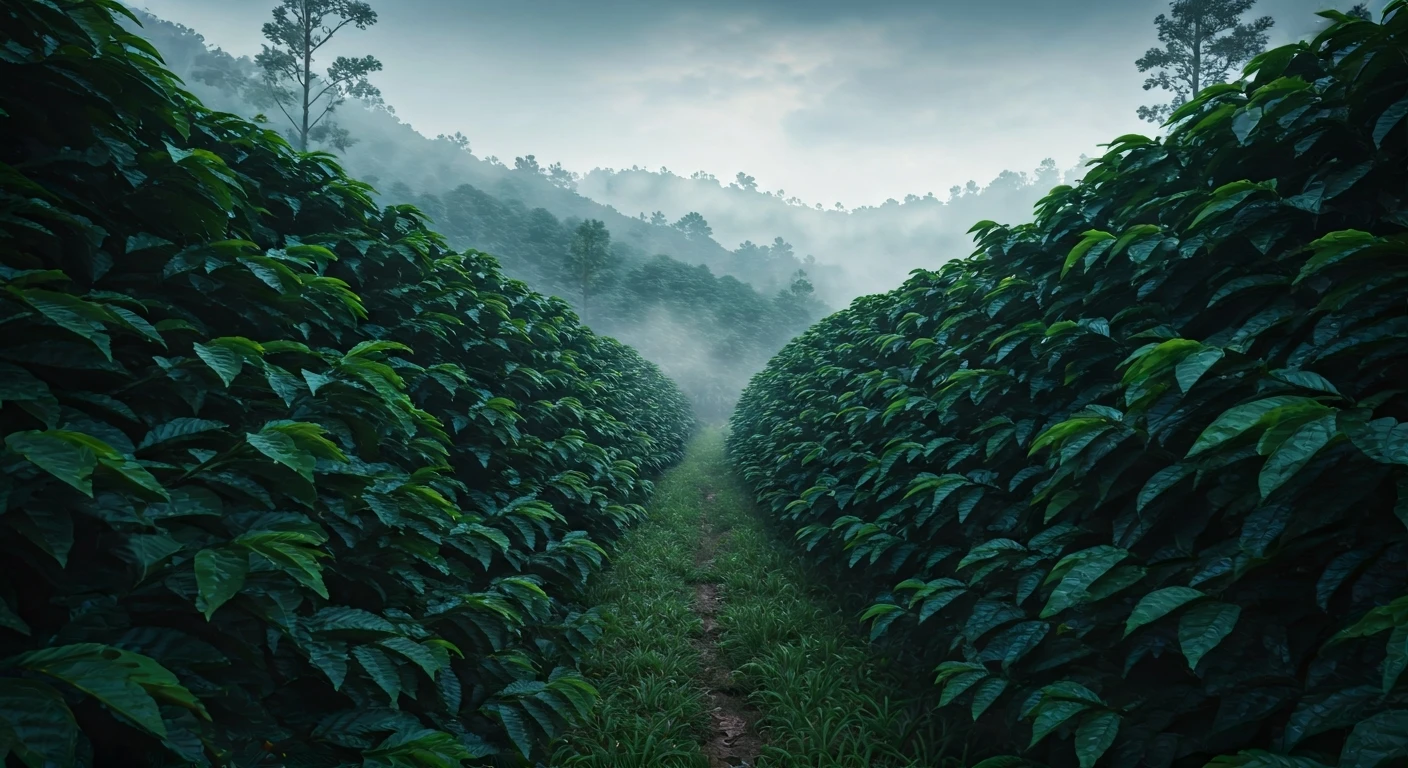
What truly lends Coorg its cinematic quality is the mist. It’s a constant supporting character in the region's daily drama. In the mornings, it pools in the valleys, making the hilltops look like islands floating in a soft, white ocean. By midday, it may burn off, revealing the stunningly vibrant green of the paddy fields and forests below. But it rarely stays away for long. The mist can roll in without warning, shrouding the winding roads and dense shola forests in a mysterious veil. Driving or hiking through this shifting atmosphere feels like moving through different movie genres—from a bright, romantic drama one moment to a moody, atmospheric thriller the next. The views from vantage points like Raja’s Seat are never the same twice, offering an ever-changing spectacle of light, shadow, and ethereal fog.
A Soundtrack of Nature
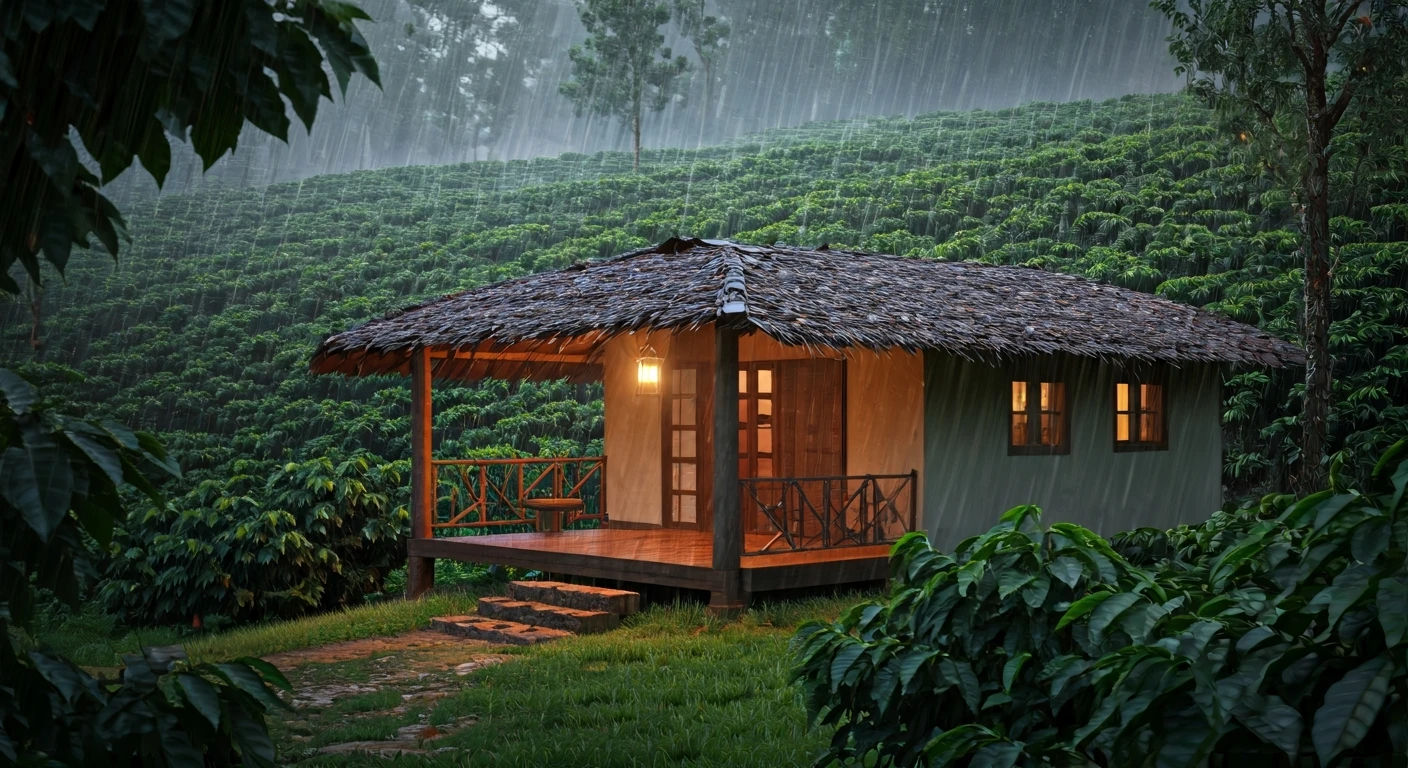
Every film needs a score, and in pre-monsoon Coorg, the soundtrack is composed entirely by the environment. The quiet hum of the plantations is punctuated by the sudden, percussive roar of a downpour on a tin roof—a sound that is both startling and deeply soothing. After the rain subsides, a new symphony begins. The chirping of crickets and the calls of exotic birds like the Malabar whistling thrush fill the air. The gentle drip of water from broad-leaved trees and the rustle of the wind through bamboo groves provide a constant, meditative backdrop. This isn’t the manufactured quiet of a wellness retreat; it’s the rich, layered soundscape of a world teeming with life, a powerful reminder that you are far from the noise of the city.
The Supporting Cast and Set Design
The human element in Coorg adds another layer of authenticity to this escape. The local Kodava people have a unique culture and heritage, and their traditional homes, known as *ainmanes*, dot the landscape. These ancestral houses, often featuring carved wooden pillars and sloping tiled roofs, are perfectly integrated into their surroundings. They seem less like buildings and more like organic parts of the scenery. The pace of life here is unhurried. You’ll see workers tending to coffee and spice plants—cardamom, pepper, and vanilla are also grown here—their movements practiced and rhythmic. There’s a sense of timelessness, as if the scenes unfolding before you have played out in much the same way for generations. This slow, deliberate rhythm of life is the ultimate antidote to the frantic pace of the modern world, making the feeling of escape palpable.