


Meet the 'Bugyal'
In the Indian Himalayas, particularly in the state of Uttarakhand, there exists a perfect counterpoint to the brutalism of high-peak mountaineering: the *bugyal*. The word, in the local dialect, simply means 'high-altitude meadow.' But that clinical definition
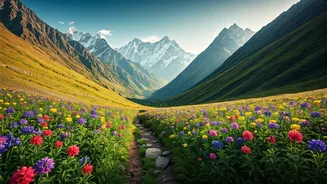
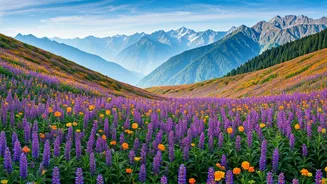
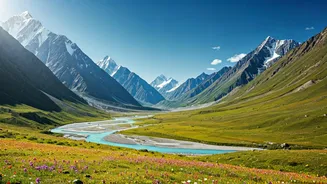
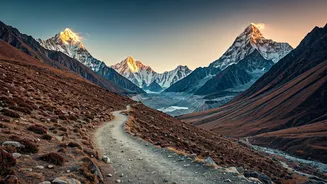
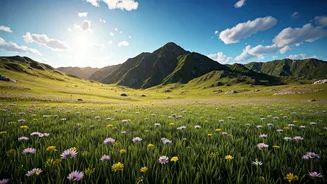
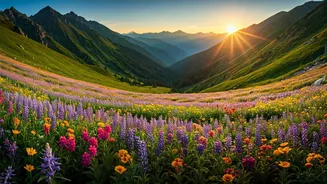
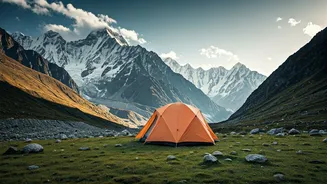
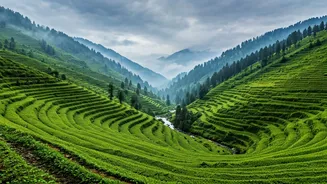
does a wild disservice to the reality. Picture this: After trekking through dense forests of oak and rhododendron, the tree line suddenly vanishes. Before you stretches an immense, undulating carpet of green grass, so vast it seems to spill over the contours of the earth itself. These are the bugyals—natural alpine pastures sitting between 10,000 and 14,000 feet. In spring and summer, they are dotted with wildflowers; in winter, they’re a pristine blanket of snow. They are nature’s amphitheater, and the main event is a 180-degree, uninterrupted view of the world’s most formidable mountain range.
Adventure, But Make It Approachable
This is where the 'soft' part of the adventure comes in. Reaching a bugyal is not a walk in the park—it’s a trek, often lasting several days and requiring a solid level of fitness to handle the altitude and inclines. But it’s a world away from the technical, life-risking world of mountaineering. You don’t need ice axes, specialized climbing skills, or a Sherpa’s resume. What you need are good hiking boots, a sense of wonder, and the willingness to put one foot in front of the other. Most treks are guided, with local teams setting up comfortable camps, cooking delicious meals, and carrying the bulk of your gear. Your job is simply to walk and absorb the scenery. The challenge is real enough to feel like a genuine accomplishment, but the journey itself is designed to be one of awe, not agony. It’s an adventure that serves you, rather than one that demands you serve it.
The Understated Himalayan Flex
So, what’s the 'flex'? It’s not a chest-pounding declaration of conquering a mountain. It’s quieter, more profound, and, frankly, far more interesting. The flex is in the photo you post—not of a grimacing, exhausted face at a summit, but of you, sitting peacefully in a field of flowers with the snow-capped peaks of Nanda Devi or Trishul looming serenely in the background. It's the story you tell, not of hardship, but of walking for hours through a silent, misty forest before emerging into a sun-drenched meadow that felt like the edge of the world. The flex is showing you know that the best experiences aren’t always the hardest ones. It communicates a different kind of travel savvy: one that prioritizes soul-stirring beauty over bragging rights, and personal revelation over performative suffering. It’s the ultimate 'if you know, you know' destination.
Where to Find Your Meadow
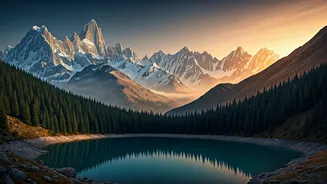
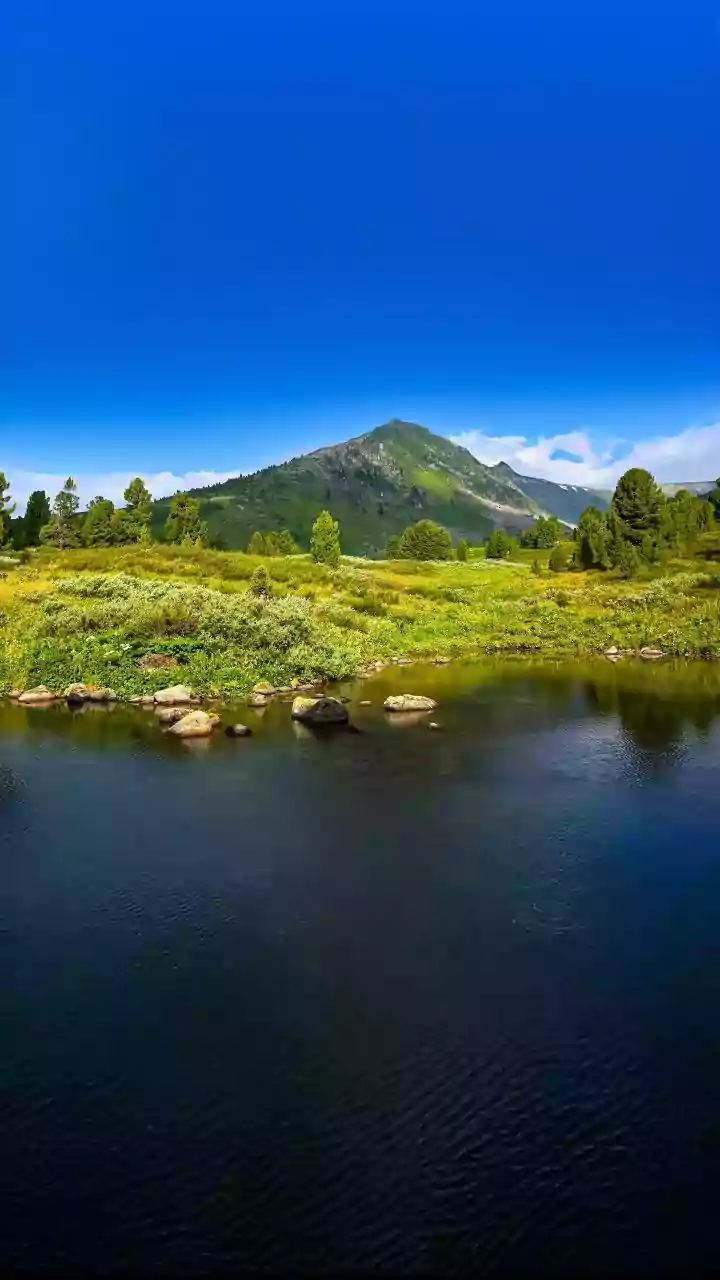
For those ready to trade the crowds of Bali for the tranquility of the Himalayas, a few bugyals stand out. Dayara Bugyal is often called one of the most beautiful, offering a relatively moderate trek that culminates in a sprawling meadow with stunning views of the Gangotri range. Another classic is Bedni Bugyal, famous for its small lake, Vaitarani, and its role as a stop on a major pilgrimage route. The trek to Bedni is more demanding but rewards hikers with an almost spiritually profound landscape. The best times to visit are typically from April to June, when the meadows are green and flowered, and from September to November, when the post-monsoon air is crystal-clear, offering the sharpest mountain views. Regardless of which you choose, the experience is a powerful reminder that adventure can be as gentle as it is grand.