



The Ultimate Peace of Mind
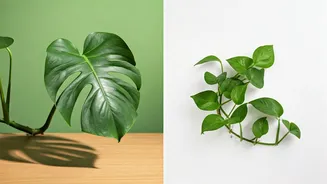
The most compelling reason discerning plant enthusiasts gravitate toward the Bird’s Nest Fern (Asplenium nidus) is its impeccable safety record. Many popular houseplants, from monsteras to fiddle-leaf figs, contain compounds that can be toxic if ingested
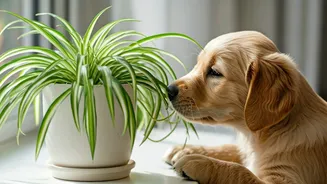
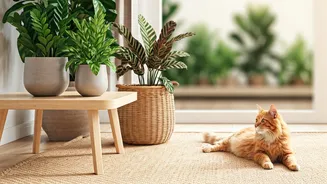
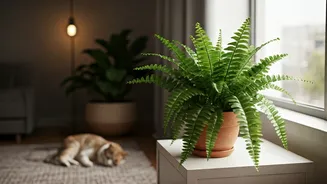
by cats, dogs, or even humans. A nibbled leaf can lead to anything from mild irritation to a frightening emergency vet visit. This constant, low-level anxiety is something a true 'plant parent'—someone who views their plants and pets as integral parts of their family—seeks to eliminate. The American Society for the Prevention of Cruelty to Animals (ASPCA) officially lists the Bird's Nest Fern as non-toxic to cats and dogs. This certification provides unparalleled peace of mind. You can place it on a low shelf or the floor without fearing a curious nibble will end in disaster. It allows you to create a green oasis where every member of your household, furry or otherwise, can coexist safely.
Beauty Without the High Maintenance
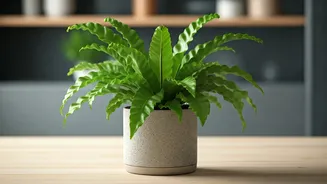
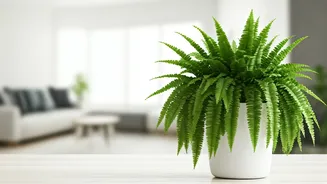
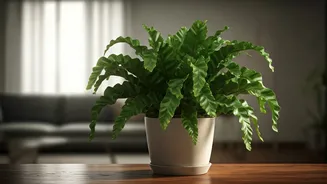
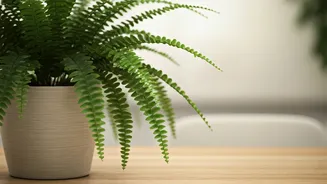
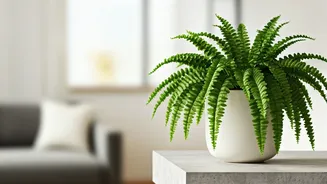
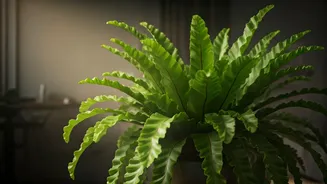
Safety is paramount, but aesthetics and ease of care are what make a plant truly beloved. The Bird’s Nest Fern delivers on both fronts. Its distinctive, sculptural form stands out in a sea of spindly stems and common leaf shapes. The bright, apple-green fronds grow from a central rosette, or 'nest,' creating a beautiful, uncluttered silhouette. These wavy-edged leaves are smooth and whole, unlike the delicate, feathery fronds of other ferns, giving it a bold, tropical look that feels both modern and timeless. Despite its exotic appearance, it’s surprisingly forgiving. It doesn’t demand the high-maintenance routine of some of its fern cousins. It’s less prone to the dramatic wilting and browning that can frustrate new plant owners, making it an excellent choice for those who want a stunning visual impact without a demanding care schedule.
Perfectly Suited for Indoor Life
Finding a plant that not only looks good but also thrives in the actual conditions of your home can be a challenge. Many trendy plants require bright, indirect light that simply isn’t available in every apartment or house. The Bird’s Nest Fern, however, is wonderfully adaptable. In its native habitat, it grows on trees under a dense canopy, so it’s naturally accustomed to lower light levels. This makes it an ideal candidate for that north-facing window, a corner of the living room that doesn’t get direct sun, or even a well-lit bathroom. In fact, it loves the humidity from a shower, which helps keep its fronds glossy and vibrant. Its watering needs are straightforward: it prefers consistently moist soil but is susceptible to root rot if waterlogged. The key is to water the soil around the base, avoiding the central 'nest,' which can trap water and lead to crown rot. This simple-to-follow rule makes its care feel manageable and intuitive.
A Statement of Responsible Care
Choosing a Bird's Nest Fern is more than a practical decision; it’s a reflection of a thoughtful approach to creating a home environment. The term 'plant parent' has evolved from a cute nickname to a descriptor for a generation of people who invest genuine care and consideration into their living spaces. For these individuals, a plant isn't just decor. It’s a living thing that contributes to the home's ecosystem. Opting for a plant that poses no threat to other vulnerable inhabitants—be it a toddler exploring their world by mouth or a cat who loves to chew on leaves—is the ultimate expression of that parenting instinct. It signifies a holistic view of the home, where the well-being of every resident is considered. It’s a choice that says, 'I want beauty, but not at the cost of safety.' This responsible mindset is what separates a casual plant owner from a true plant parent.