





Navigating the 'Clean Label' Maze
First, let’s decipher the term 'clean label.' It’s a marketing concept, not a regulated standard, but its intent resonates with a growing number of American consumers. A clean label product typically features a short list of simple, recognizable ingredients.
Think things you could find in your own kitchen pantry, not a chemistry lab. The ideal is to avoid artificial colors, flavors, preservatives, and sweeteners with complex, unpronounceable names. While the movement started with noble intentions—a desire for transparency and a return to real food—it has created its own form of consumer anxiety. Shoppers now stand in grocery aisles, squinting at ingredient lists, trying to determine if 'tocopherols' are friend or foe (they’re a form of Vitamin E, usually friendly!). The irony is that the search for simplicity has become complicated.
Nature's Perfect Snack Hack
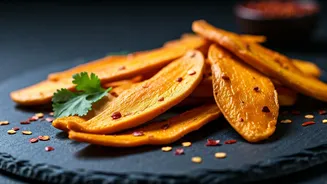
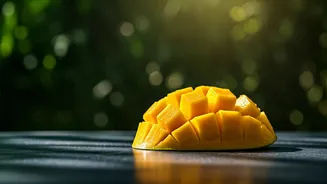
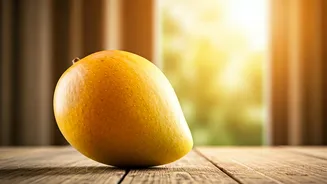
This is where the uncomplicated genius of spicy raw mango comes in. Forget ingredient lists; this snack has an ingredient *idea*. You take one thing—an unripe, green mango—and you accent it. That’s it. The mango itself is the star: firm, outrageously tart, and subtly fragrant. Sliced into spears or cubes, it’s a blank canvas for a flavor explosion. A sprinkle of chili powder brings the heat, a pinch of salt sharpens all the flavors, and a squeeze of lime juice adds another layer of bright acidity. The experience is electrifying. It’s crunchy, sour, spicy, and salty all at once, a sensory jolt that wakes up your palate and satisfies cravings in a way a dusty rice cake never could. In a world of over-engineered foods, it’s aggressively, beautifully simple. Its 'label' is just the mango itself, plus a few spices. You can’t get much cleaner than that.
A Snack Loved Around the World
While this combination might seem novel to some in the U.S., it’s a beloved, time-honored snack across much of the globe. In Mexico and other Latin American countries, street vendors serve up 'mango con chile y limón,' often with a dusting of salt or Tajín. Travel to Southeast Asia, and you'll find countless variations. In Thailand, 'mamuang nam pla wan' involves dipping sour green mangoes into a complex, savory dip made from fish sauce, palm sugar, and fiery chilies. In the Philippines, 'mangga't bagoong' pairs green mangoes with a salty, fermented shrimp paste. In India, 'kacchi kairi' (raw mango) is chopped and tossed with salt and red chili powder, a nostalgic childhood treat for millions. This isn't a new wellness trend invented in a California test kitchen; it's a testament to a universal human truth: a little bit of fruit, salt, and spice is a combination that just works, everywhere.
Your Five-Minute Kitchen Project
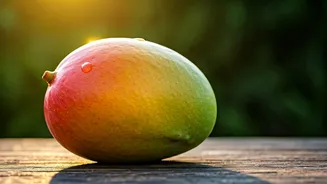
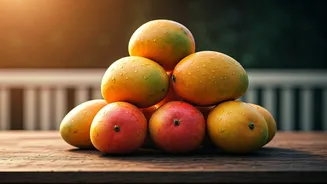
The best part is its accessibility. You don’t need a formal recipe, just a guide. Start with the right mango. You’re not looking for the soft, sweet red or orange ones. You want a firm, green, and unapologetically sour mango. Many Asian or Latin grocery stores sell them specifically for this purpose, but you can often find underripe mangoes at any supermarket. Peel it with a vegetable peeler, then slice the flesh away from the large pit in the center. Cut the flesh into spears, sticks, or cubes—whatever shape feels right for snacking. Now, the fun part. Arrange the mango on a plate and get your toppings ready. The classic trinity is salt, chili, and lime. For the chili, you can use standard chili powder, cayenne for more of a kick, or a smoky chipotle powder. For a classic Mexican-American twist, a generous shake of Tajín Clásico seasoning is non-negotiable. Squeeze fresh lime juice over everything, toss, and enjoy immediately. It’s a five-minute process that delivers a world of flavor.