
From Freakshakes to Food Fatigue
For the better part of a decade, social media feeds were dominated by a specific kind of culinary exhibitionism. We scrolled past rainbow-dyed bagels that stained your fingers, milkshakes groaning under the weight of entire slices of cake, and cheese
pulls stretched to physics-defying lengths. These were meals designed not for the palate, but for the pixel. The goal was simple: to create something so visually arresting it would stop a thumb mid-scroll, collect a flurry of likes, and maybe even go viral. This was the peak of “Instagrammable” food, a phenomenon where aesthetics trumped everything—flavor, nutrition, and sometimes, basic logic. Restaurants engineered dishes specifically for their photogenic qualities, knowing a well-lit shot on a popular account was worth more than a traditional review. While fun for a time, a collective fatigue began to set in. The novelty wore off, leaving a lingering question: does anyone actually enjoy eating a gallon of ice cream topped with a donut and three churros? The spectacle became exhausting, and the disconnect between the image and the eating experience grew too wide to ignore.
The Pivot to Attainable Beauty
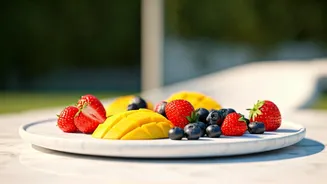
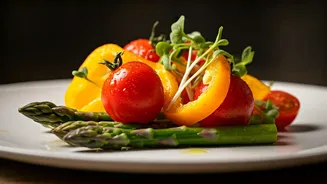
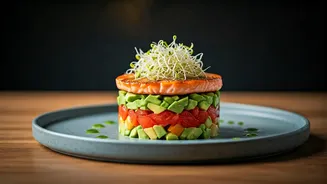
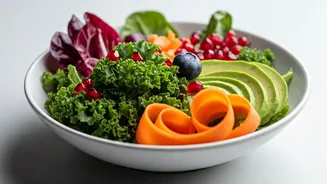
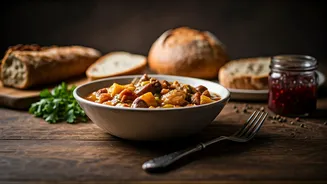
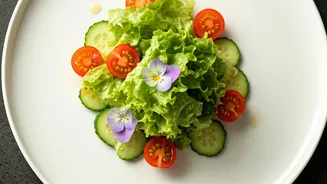
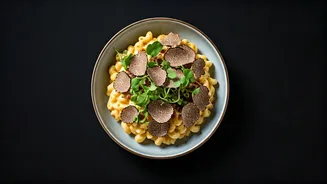
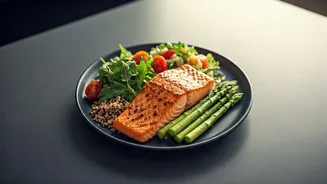
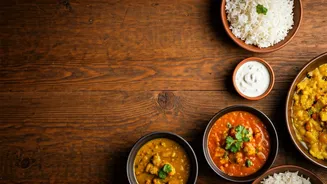
In place of forced theatrics, a more grounded approach has taken hold. The “sensible upgrade” isn’t about making food ugly; it’s about finding beauty in authenticity. Today’s camera-friendly food is still visually appealing, but its charm comes from a different place. It’s the vibrant, colorful chaos of a loaded grain bowl, the rustic simplicity of a crusty loaf of sourdough next to a smear of good butter, or the elegant swirl of pasta in a rich, homemade sauce. The aesthetic is still there, but it’s more natural, achievable, and, most importantly, appetizing. This new wave celebrates ingredients and technique over tricks and food coloring. It’s food that looks good because it *is* good. A perfectly ripe tomato, a glistening olive oil drizzle, or the deep char on a grilled vegetable—these are the new visual heroes. The message has shifted from “Look at this crazy thing I’m about to eat!” to “Look at this beautiful, nourishing meal I’m about to enjoy.” It’s a move from aspiration to inspiration, showing off meals that others can realistically replicate and genuinely want to eat.
Why We’re Tired of Trying Too Hard
Several cultural currents are driving this change. First, there’s the general burnout with the curated perfection of early Instagram culture. Users are increasingly craving authenticity and relatability, and that extends to what’s on their plates. The rise of TikTok, with its less polished, more chaotic energy, has accelerated this trend. A perfectly staged flat lay feels dated; a quick video of someone joyfully assembling a “girl dinner” on the couch feels current. Second, the pandemic fundamentally reshaped our relationship with food. With restaurants closed, many of us rediscovered home cooking. We weren’t making food for an audience; we were making it for ourselves and our families. This fostered a deeper appreciation for the process and for simple, comforting meals. That sensibility has stuck. Finally, the ever-growing wellness movement has made us more conscious of what we’re putting into our bodies. A dish that’s packed with nutrients and fresh ingredients is now seen as just as desirable—if not more so—than a sugar-laden monstrosity.
What ‘Sensible’ Looks Like on Your Feed
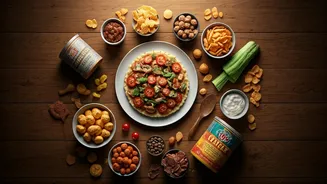
So, what are the new stars of the food feed? Think of the viral “cottage cheese bowl,” where a humble, high-protein base is transformed into a colorful meal with fruit, nuts, and a drizzle of honey. It’s simple, healthy, and visually satisfying. Consider the artfully arranged snack plate, often dubbed “girl dinner,” which celebrates a low-effort but aesthetically pleasing combination of cheeses, crackers, fruits, and olives. It’s less a recipe and more a vibe—one that’s both beautiful and deeply practical. We also see it in the rise of rustic, home-baker-style breads and simple, elegant pasta dishes. The focus is on the texture of the crumb, the deep color of a slow-cooked ragu, or the way fresh herbs catch the light. It’s a quiet confidence that doesn’t need to shout for attention. The beauty is inherent in the quality of the food itself, proving that a meal doesn’t need to be a gimmick to be worthy of a snapshot.