






The Flowers That Wait for Rain
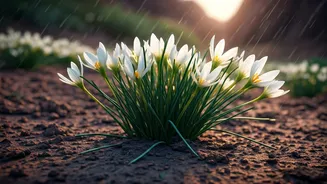
They are called rain lilies, and the name is no exaggeration. These small, unassuming bulbs belong to the genus *Zephyranthes*, a name derived from Zephyrus, the Greek god of the west wind. For most of the year, they are invisible, their bulbs lying dormant
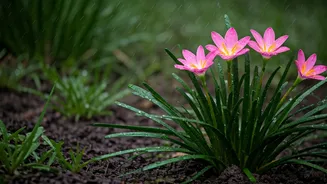
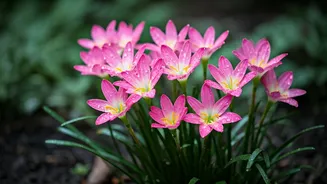
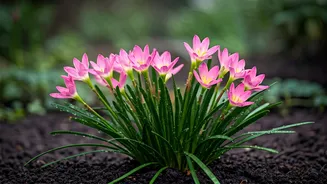
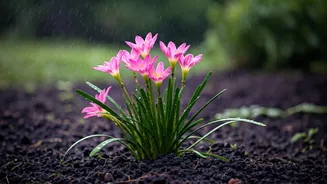
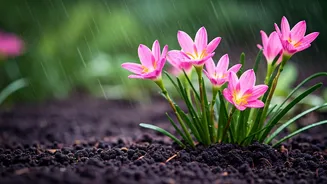
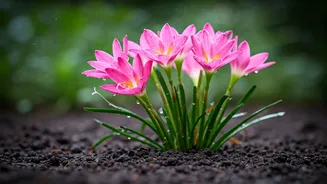
just beneath the soil's surface, conserving energy. They offer no hint of their existence, no foliage, no fuss. You might even forget where you planted them. But they are not gone; they are simply waiting for the right signal—a deep, quenching rain that breaks a dry spell. When the summer downpour finally arrives, it’s as if an alarm clock goes off underground. Within a few days, slender stalks shoot up, crowned with delicate, star- or trumpet-shaped flowers in shades of white, pink, or yellow. It’s a spectacular, fleeting show, a reward for enduring the heat.
The Science of the Surprise
This sudden bloom isn't just magic; it's a brilliant survival strategy. Rain lilies are native to regions in the Americas that experience distinct wet and dry seasons. By remaining dormant during dry periods, they avoid heat and drought stress. The trigger for their bloom is a complex response to environmental cues. While the primary signal is a thorough soaking of the soil after a period of dryness, some research suggests that the drop in barometric pressure associated with an approaching storm system also plays a role. This combination tells the bulb that conditions are ideal for flowering and setting seed. The flower's life is brief, often lasting only a few days, which is why the synchronous, garden-wide bloom feels so dramatic. The plant has a short window to attract pollinators and complete its life cycle before the dry heat returns, and it puts all its energy into that one glorious moment.
A Star Player in the Monsoon Garden
In the United States, rain lilies are particularly cherished in the South and Southwest, from Texas and the Gulf Coast to Arizona. Here, the North American Monsoon brings a welcome season of summer thunderstorms from July through September, breaking the oppressive dominance of dry heat. For gardeners in these regions, rain lilies are a perfect fit for a low-water, climate-appropriate landscape. They thrive in the very conditions that can be challenging for other plants. They ask for nothing during the long, dry months, and then provide an incredible display when the rains return. This makes them a key component of what many call “monsoon gardening”—a style of landscaping that works with, rather than against, seasonal weather patterns. Instead of fighting the climate with water-hungry lawns, gardeners embrace native and adapted plants that come alive with the seasonal rains.
Bringing the Magic to Your Garden
The best part about rain lilies is their forgiving nature. They are one of the easiest bulbs you can grow. For best results, plant the small bulbs in the fall or spring in a spot that receives full to partial sun. They aren’t picky about soil, but they do require good drainage to prevent the bulbs from rotting during wetter periods. You can tuck them into rock gardens, use them as a border, or plant them in drifts among other perennials. A popular technique is to plant them in patches within a lawn; they will bloom before the next mowing is needed. Once planted, they are largely self-sufficient. Don’t be tempted to provide supplemental water during their dormancy; it can interfere with their natural cycle. Simply plant them, forget them, and let nature provide the surprise.
Popular Varieties to Try
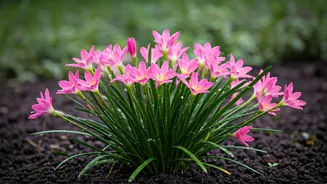
While there are dozens of species, a few standouts are readily available to U.S. gardeners. *Zephyranthes candida*, the autumn crocus, produces brilliant white flowers and is very prolific. For a splash of cheerful color, *Zephyranthes citrina* offers buttery yellow blooms. Perhaps the most common and beloved is *Zephyranthes grandiflora*, with its large, deep-pink flowers that make a dramatic statement. Many gardeners mix all three, creating a confetti-like effect across their landscape after a summer storm. These bulbs also multiply over time, so your initial planting will slowly spread to create an even more impressive display year after year.