







The New Vacation Vetting Process
Remember when the biggest weather worry for a vacation was a few days of rain? That era is fading fast. Today, American travelers are facing a much harsher reality. Planning a trip to the Southwest in summer now involves calculating the risk of triple-digit
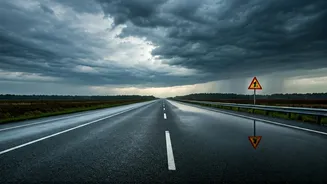
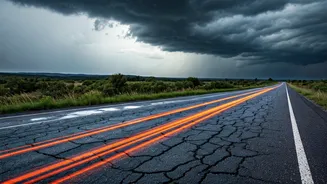
heatwaves that make outdoor activities dangerous. A fall getaway to Florida or the Gulf Coast requires a constant watch on tropical storm development. And a late-summer trip to the beautiful Pacific Northwest might be clouded by hazardous air quality from wildfires hundreds of miles away. This isn't just about checking the 10-day forecast anymore. It's a fundamental shift in travel planning, where long-term, seasonal climate risks are being weighed as heavily as cost and availability. Travel advisors report that clients are asking questions they never did before: “What is the wildfire risk in August?” “Is this a hurricane-prone area in October?” “How hot does it *really* get there in July?” The spontaneous booking is giving way to the strategically planned one, informed by a growing awareness that our climate is making certain places inhospitable at certain times of the year.
Shifting Seasons and 'Shoulder' Months
One of the most significant changes in traveler behavior is a newfound flexibility with timing. Instead of canceling trips altogether, many are simply shifting them. The traditional summer vacation season is becoming less appealing in destinations now prone to extreme heat, like Arizona, Texas, and parts of Europe. In response, travelers are embracing the “shoulder seasons”—the periods just before or after peak season, like late spring and early fall. A trip to Napa Valley might move from August, at the height of fire season, to a cooler and safer May. A European tour, once a summer staple, is now more attractive in April or October to avoid the sweltering heat domes that have plagued the continent. This shift not only helps travelers avoid the worst weather but often comes with the added benefits of fewer crowds and lower prices. The industry is taking note, with some resorts and destinations extending their 'peak' offerings into these previously quieter months to cater to this new, climate-aware tourist.
The Rise of 'Cooler' Destinations
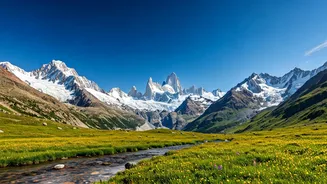
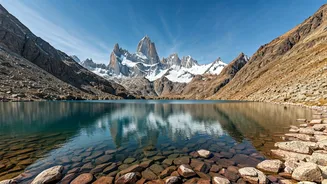
As traditional hot spots become, well, *too* hot, travelers are looking north. Destinations once considered off the beaten path are emerging as prime vacation spots precisely because of their milder summer climates. States like Michigan, Minnesota, and Maine, along with the broader Great Lakes region and New England, are experiencing a tourism boom. These areas offer a respite from extreme heat, with pleasant temperatures, abundant water, and lush landscapes. Think fewer desert hikes in July and more lakeside cabin rentals in Wisconsin. This geographical redistribution of tourism has significant economic implications. While southern destinations grapple with how to attract visitors during dangerously hot months, northern communities are seeing an influx of tourism dollars. This trend suggests a long-term remapping of America's vacation landscape, driven not by marketing campaigns, but by meteorology.
Your New Must-Haves: Insurance and Apps
In this new era of travel uncertainty, planning for the worst is becoming standard practice. The first line of defense is robust travel insurance. Savvy travelers are no longer settling for basic plans; they’re increasingly purchasing “Cancel For Any Reason” (CFAR) policies. While more expensive, CFAR provides the ultimate flexibility, allowing travelers to back out of a trip if they're spooked by a looming hurricane forecast or a poor air quality index, situations not always covered by standard insurance. Technology is the other essential tool. Travelers are arming themselves with sophisticated apps that go far beyond a simple weather forecast. Air quality apps like AirNow and IQAir have become essential for western travel. Hurricane tracking apps from FEMA and The Weather Channel are non-negotiable for coastal trips. These tools empower travelers to make real-time, data-driven decisions about their safety and enjoyment, turning every tourist into a miniature risk manager.