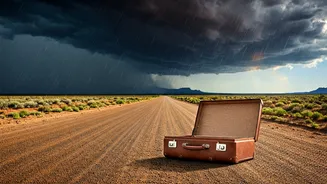





Understanding the Monsoon's Real Threat
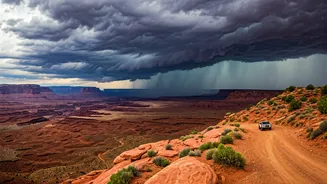
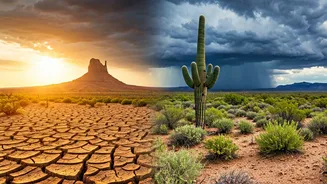
The North American monsoon is a seasonal shift in wind patterns that brings moisture from the Pacific Ocean and Gulf of Mexico into the desert Southwest, primarily from June to September. While the rain is often desperately needed, it arrives with a ferocity
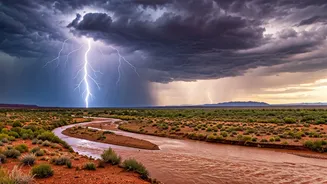
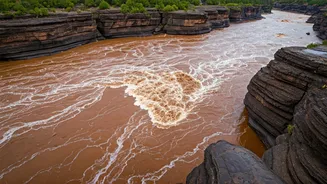
that can transform the landscape in minutes. The primary dangers aren't just the rain itself, but its consequences: flash floods, powerful microbursts of wind, lightning, and dust storms (haboobs) that can drop visibility to zero. The arid, sun-baked ground doesn't absorb water quickly, causing runoff to surge into low-lying areas with incredible speed and force, turning dry creek beds into raging torrents.
Driving Smart: Your Car Is Not a Boat
The single most important rule for monsoon driving is this: Turn Around, Don't Drown. This national campaign was created for a reason—most flash flood fatalities occur in vehicles. It only takes six inches of moving water to knock a person off their feet, and just a foot to sweep away a small car. Two feet of rushing water can carry away most vehicles, including SUVs and trucks. Never attempt to cross a flooded roadway or a flowing wash (a normally dry riverbed). The water is often deeper and faster than it appears, and the road beneath may have been washed away. If you encounter a flooded road, your only safe option is to turn around and find an alternate route, even if it means a significant delay. Being late is infinitely better than not arriving at all.
Trail Safety: Know When to Turn Back
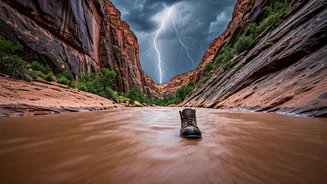
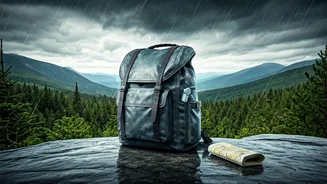
Hiking during monsoon season requires extra vigilance. A storm that appears miles away can send a flash flood surging through the canyon you're exploring. Always check the forecast before you head out, paying close attention to flash flood watches and warnings. Avoid hiking in narrow canyons, washes, or areas with steep terrain if there is any chance of rain in the surrounding region. Be aware of your surroundings: if the water in a stream suddenly becomes muddy or its flow increases, get to higher ground immediately. Lightning is another significant risk. If you can hear thunder, you are close enough to be struck. Seek shelter in a building or a hard-topped vehicle if possible. Avoid being the tallest object in an open area and stay away from isolated trees.
The Essential Monsoon Safety Bookmarks
Preparation is digital, too. Having the right information at your fingertips can be a lifesaver. Before the season gets into full swing, bookmark these resources: 1. **National Weather Service (weather.gov):** Your local NWS page is the definitive source for watches, warnings, and real-time radar. It's the most reliable place to see a storm's path and intensity. 2. **State Department of Transportation Website:** In Arizona, it’s az511.gov. In New Mexico, it's nmroads.com. These sites provide real-time information on road closures, traffic conditions, and incident reports. Many offer a mobile app as well. 3. **Wireless Emergency Alerts (WEA):** Make sure these are enabled on your smartphone. These geographically targeted alerts from public safety officials will notify you of imminent threats like flash floods or severe thunderstorms without needing to have an app open. 4. **Local News Weather Apps:** Local meteorologists often provide nuanced, on-the-ground context that national apps might miss. Download the app from a trusted local TV station in your area.
Home Prep: Securing Your Space
Your home also needs to be ready for the intense winds and rain. Take a walk around your property and secure or store any loose items that could become projectiles in high winds, such as patio furniture, garbage cans, and trampolines. Check that your window and door seals are in good condition to prevent water intrusion. It’s also wise to clean out your rain gutters and any drainage areas on your property to ensure water can flow away from your home's foundation. Finally, assemble a basic emergency kit with flashlights, batteries, water, non-perishable food, and a first-aid kit in case of a prolonged power outage, which is a common occurrence during severe monsoon storms.