








1. Ignoring Clogged Gutters
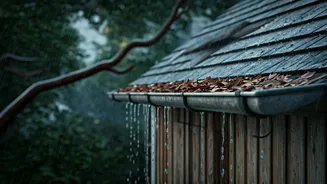
It’s the most common and easily corrected mistake. Gutters are designed to channel thousands of gallons of water away from your home’s foundation and roof. But when they are clogged with leaves, dirt, and debris from the dry season, they fail. Instead
of flowing away, water pools on your roof, potentially seeping under shingles and causing leaks inside your attic and ceilings. It can also overflow and saturate the ground next to your foundation, leading to cracks and costly structural issues. A single afternoon spent clearing your gutters and downspouts before the first storms roll in can prevent thousands of dollars in water damage.
2. Neglecting Overgrown Trees
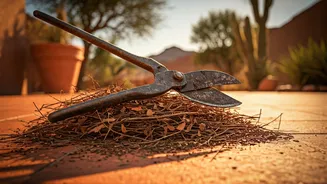
Those beautiful, shady trees in your yard become a significant threat during a monsoon. High winds can snap dead or weak branches, turning them into projectiles that can damage your roof, break windows, or crash into a car. This is often called “dead-wooding.” Take a walk around your property and look for branches that are dead, cracked, or hanging precariously over your home or power lines. A professional arborist can safely prune your trees, thinning the canopy to allow wind to pass through more easily and removing any hazardous limbs before the storm does it for you.
3. Forgetting a Roof Check-Up
Your roof is the first line of defense, but months of intense sun can bake shingles, crack tiles, and degrade sealant. A small, unnoticed point of failure can quickly become a major leak during a monsoon downpour. Before the season starts, it’s wise to either hire a professional or safely conduct your own visual inspection. Look for cracked, loose, or missing shingles or tiles. Check the flashing around vents, skylights, and chimneys, as the sealant in these areas is a frequent point of failure. A tiny bit of roofing cement or a single replacement tile is a cheap fix compared to repairing a waterlogged ceiling.
4. Leaving Yard Items Unsecured
Monsoon storms often produce powerful microbursts—intense downdrafts with winds that can exceed 60 mph. In these conditions, anything not tied down becomes a potential missile. Patio furniture, trampolines, potted plants, grills, and even children's toys can be picked up and thrown against your house or a neighbor’s. Before a storm is forecast, make a habit of securing these items or bringing them indoors or into a garage. This simple act of tidying up not only protects your windows and siding but also prevents your belongings from becoming a liability.
5. Disregarding Poor Drainage
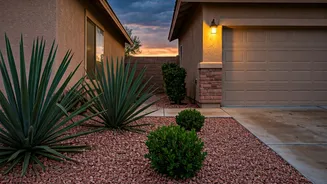
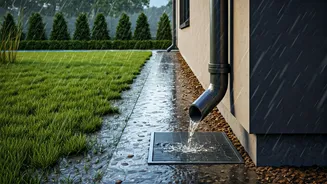
When a monsoon drops an inch of rain in 30 minutes, where does that water go? If your yard slopes toward your house, the answer is: into your home. This is a critical mistake rooted in landscaping. Over time, soil can settle and create negative grading that channels water directly toward your foundation. Walk your property and observe the grading. If you see areas where water is likely to pool or flow toward your house, you may need to add soil to create a gentle slope away from the walls. Ensure drainage grates are clear of debris and that scuppers (drains for flat roofs) are unobstructed.
6. Having No Flash Flood Awareness
Even if your home is prepared, flash floods are a signature danger of the monsoon. The hard, dry ground of the desert doesn't absorb water quickly, leading to rapid and dangerous runoff. The small mistake here is a lack of awareness. Never drive into flooded roadways—it’s shockingly easy for a vehicle to be swept away in just a few inches of moving water. If your home is in a low-lying area, have a plan. Keep sandbags on hand, which can be purchased at most home improvement stores, to create a temporary barrier against rising water at doorways and garage entrances. A little foresight can be the difference between a dry home and a disaster.