

The Backlash Against Perfect
Remember the peak of hyper-minimalism? The all-white rooms, the glossy surfaces, the feeling that you couldn’t actually live in your own home for fear of creating clutter. For a time, the mainstream interpretation of modern design became synonymous with
a kind of sterile, magazine-ready perfection that felt more like a gallery than a home. It was clean, yes, but it often lacked a soul. This aesthetic, heavily promoted on social media, created a visual standard that was beautiful but ultimately unlivable for many. The pushback was inevitable. People began to crave spaces that felt authentic, comfortable, and reflective of their actual lives, not just an idealized version. This wasn't a rejection of modern principles—clean lines, functional forms, and a lack of excessive ornamentation are still appealing. Instead, it was an evolution. The new movement is about layering warmth and personality onto that modern foundation, proving that a home can be both sophisticated and deeply personal.
The Return of the Human Touch
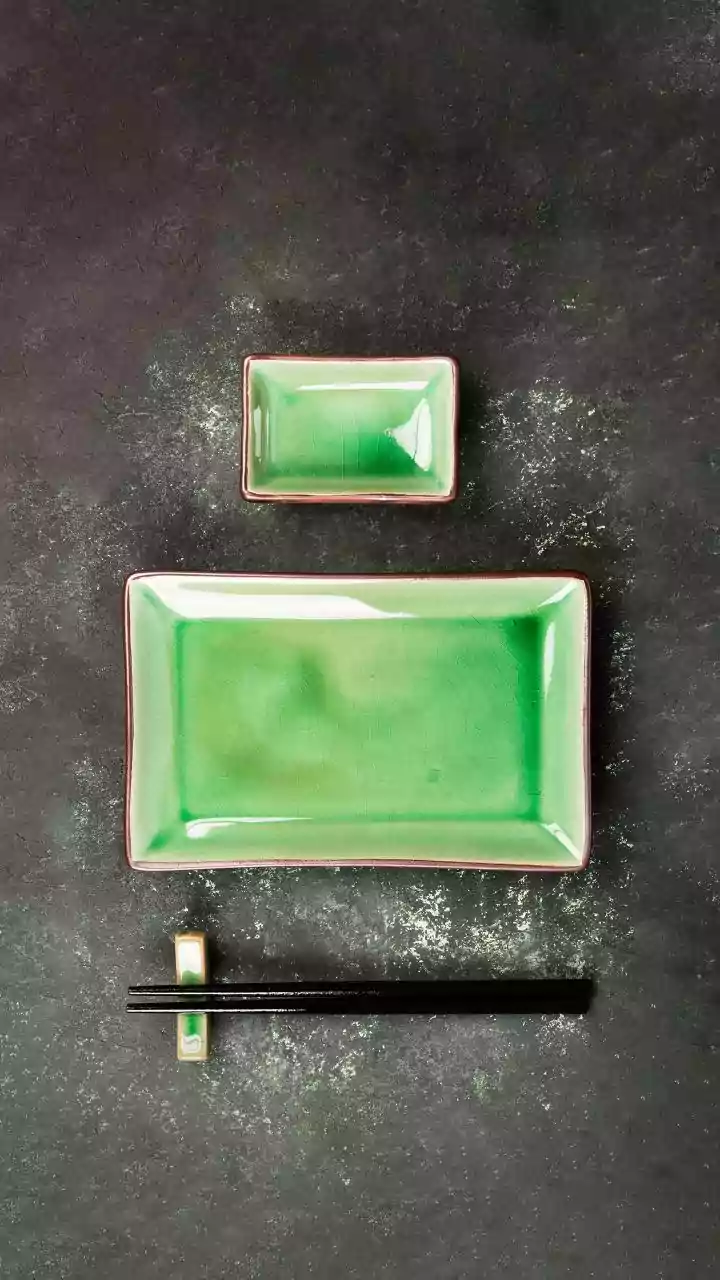
This is where “craft” comes in. We’re seeing a massive resurgence in the appreciation for objects that show the hand of their maker. Think hand-thrown ceramic mugs instead of a perfectly uniform set from a big-box store, a hand-knotted wool rug with subtle imperfections, or a live-edge wooden dining table that celebrates the natural form of the tree it came from. These items bring a story and a sense of history into a room. The slight variations in color, the texture of the glaze, or the grain of the wood are testaments to a human process, not an automated one. This trend is a direct antidote to the coldness of mass production. In a world saturated with digitally rendered perfection and fast-furnishing, an object with texture and a tangible connection to an artisan feels grounded and real. It’s not just about aesthetics; it’s about a feeling. Holding a warm, weighty ceramic bowl feels fundamentally different than holding a lightweight, factory-molded one. That feeling is the warmth we’ve been missing.
Your Home, Your Story
Alongside craft, “culture” is the other key ingredient—and it’s not about generically “ethnic” decor. It’s about your personal culture. Instead of a sterile console table holding two identical, symmetrically placed lamps, today’s modern home features curated collections that tell a story about the people who live there. That might be a collection of mismatched frames holding family photos, a shelf of books you’ve actually read, souvenirs from a meaningful trip, or artwork from a local artist you admire. This approach transforms a home from a design statement into a living biography. It gives guests something to talk about and gives residents a constant, comforting reminder of their own journey. It’s about having the confidence to display that slightly strange sculpture you bought on vacation because you loved it, or hanging your child’s art next to a “serious” print. The culture in your home is your own—a unique mix of your heritage, your travels, your passions, and your relationships. This curated, personal approach is the ultimate enemy of cold, impersonal design.
The Power of Texture and Nature
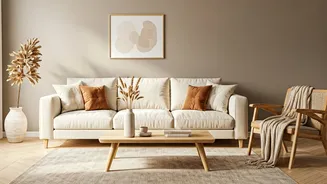
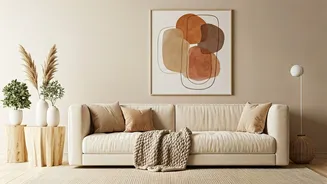
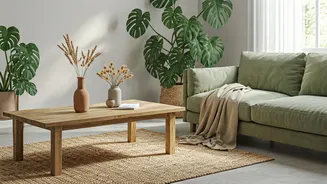
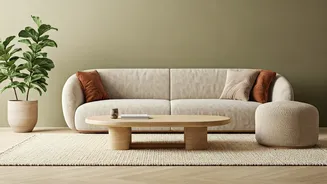
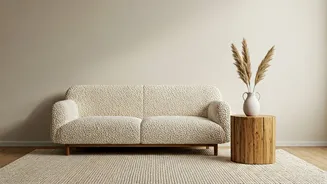
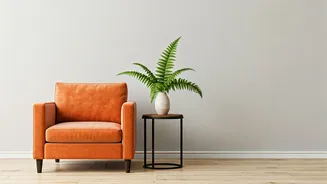
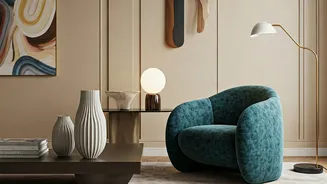
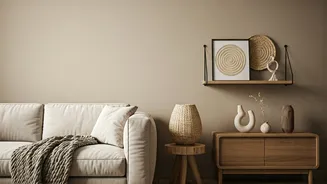
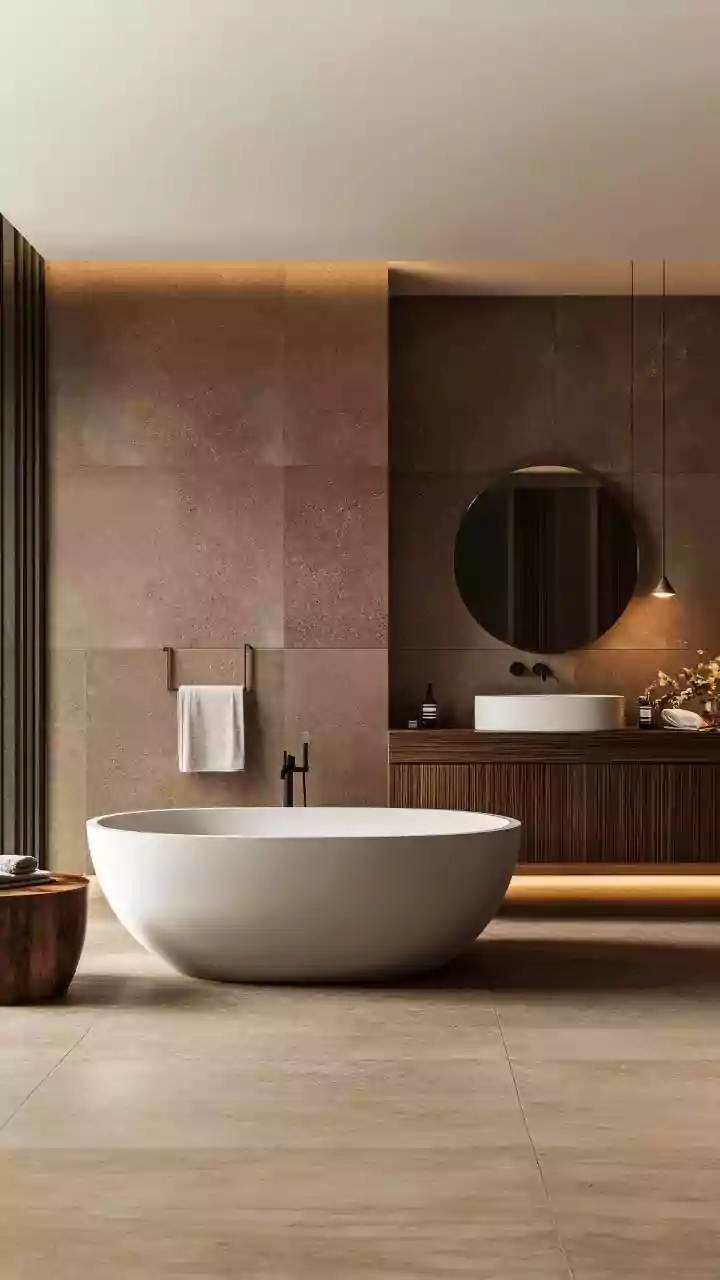
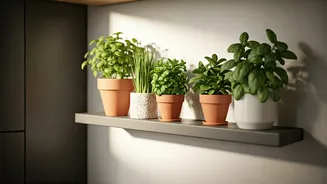
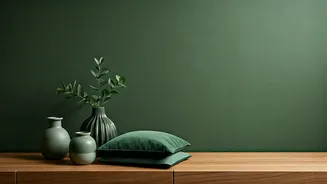
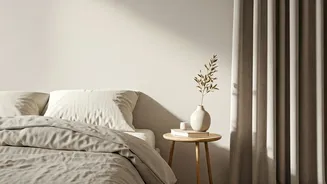
The final piece of the puzzle is a conscious embrace of texture and natural materials. Stark modernism often relied on smooth, hard surfaces: polished chrome, glass, and high-gloss lacquer. The new warm modernism, sometimes called “organic modern,” is all about touchability. Soft, nubby boucle fabrics cover sculptural armchairs. Natural fibers like rattan, jute, and wicker appear in lighting and furniture. Plaster and limewash finishes bring a soft, chalky depth to walls that drywall can’t replicate. Plants, of course, have become non-negotiable fixtures, bringing literal life and organic shapes into rooms dominated by straight lines. These elements work together to engage more than just the eyes. They create a sensory experience—the feeling of a soft throw, the rough texture of a stone accent, the dappled light filtering through a linen curtain. This layering of natural textures is perhaps the most direct and effective way to ensure a modern space feels inviting rather than intimidating.