
The Reign of Refined Grains
For the last few decades, much of the world, including urban India, has run on two main fuel sources: refined wheat and polished white rice. They’re predictable, easy to cook, and form the foundation of countless beloved dishes, from fluffy rotis to savory
biryanis. In the U.S., Indian restaurants built their menus around these familiar staples, making them synonymous with the cuisine itself. But this duo’s dominance is a relatively modern phenomenon. Historically, the Indian subcontinent was a patchwork of diverse agricultural landscapes, each with its own native grains perfectly suited to the local climate. The widespread agricultural policies of the 20th-century Green Revolution favored high-yield wheat and rice, pushing a vast and varied pantry of other grains to the rural margins. Now, a confluence of health-consciousness, culinary curiosity, and cultural pride is bringing those forgotten grains back into the spotlight.
Meet the Ancient All-Stars
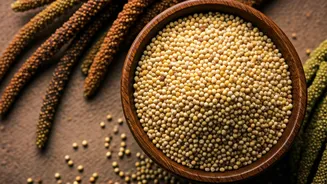
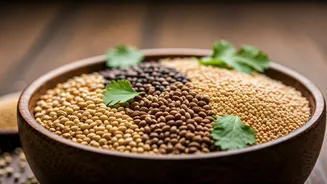
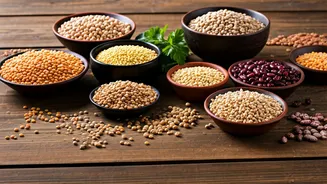
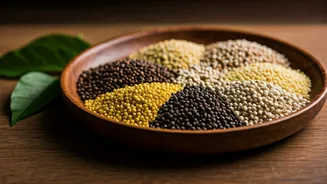
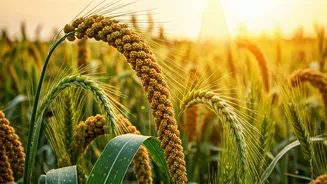
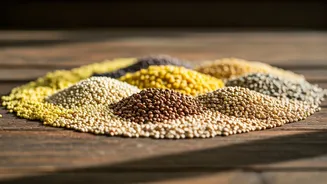
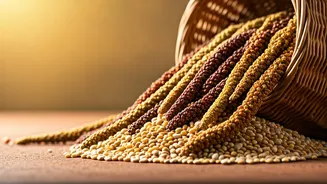
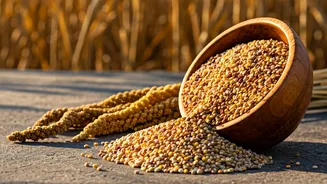
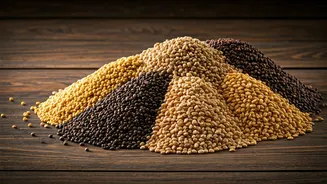
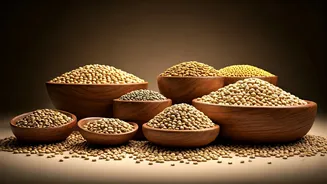
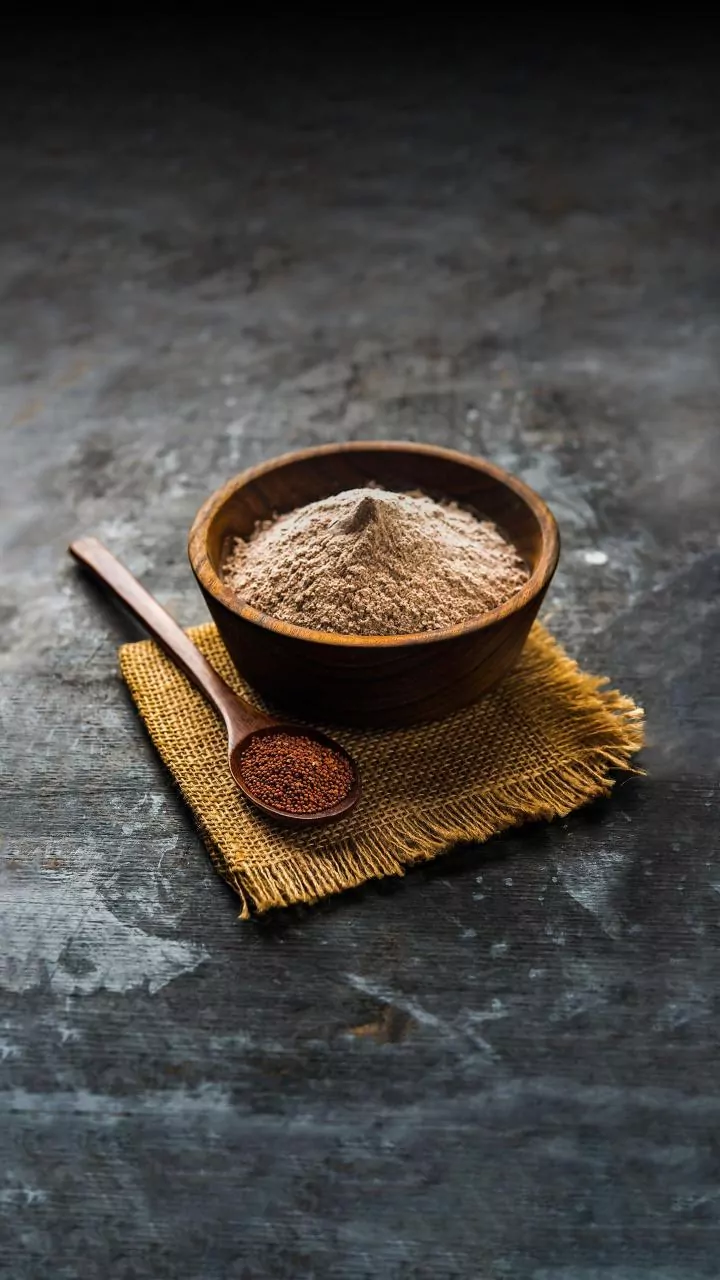
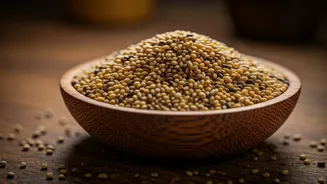
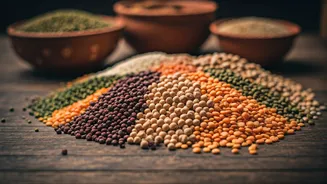
So, what are these 'smart grains'? The stars of this revival are primarily millets—a group of hardy, small-seeded grasses that were dietary staples across Asia and Africa for thousands of years. You might start seeing names like 'ragi' (finger millet), 'bajra' (pearl millet), and 'jowar' (sorghum) on trendy restaurant menus and in health food aisles. Unlike wheat, these grains are naturally gluten-free. Ragi, which cooks into a dense, earthy porridge or a rustic flatbread, is a calcium powerhouse. Bajra, with its nutty flavor, is rich in iron and protein. Jowar is packed with fiber. They are the nutritional opposites of empty-calorie carbs. These aren't just one-for-one substitutes for flour or rice; they have distinct personalities, textures, and flavors that chefs and home cooks are excitedly exploring. Think of crispy jowar dosas, fluffy bajra-quinoa pilafs, or even ragi-based brownies—a modern twist on an ancient ingredient.
A Recipe for Revival
This trend isn't happening in a vacuum. It’s driven by three key factors. First, health. As Americans and global citizens alike become more aware of the benefits of a diverse, high-fiber diet, millets check all the boxes. They are low on the glycemic index, making them great for managing blood sugar, and their gluten-free nature appeals to a growing segment of the population. Second, sustainability. Millets are what experts call 'climate-smart crops.' They are incredibly resilient, requiring far less water than rice and thriving in arid conditions where wheat would fail. In an era of increasing climate uncertainty and water scarcity, they represent a more responsible way to farm and eat. Finally, there's a powerful cultural element. India successfully lobbied the United Nations to declare 2023 the 'International Year of Millets,' signaling a major government-backed push to reclaim this culinary heritage. For many in the Indian diaspora, cooking with these grains is a way to connect with their grandparents’ generation and a more authentic, regional version of their culture.
Coming to a Kitchen Near You
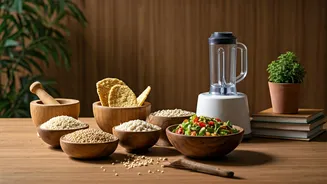
This grain-smart movement is rapidly moving from niche to mainstream in the United States. Innovative Indian-American chefs are deconstructing and reinventing traditional recipes, swapping refined flour for millet flour in everything from appetizers to desserts. You might find a savory bajra porridge on a brunch menu or a jowar-crusted fish special at a contemporary Indian bistro. For home cooks, the barrier to entry is lower than ever. Brands like Bob's Red Mill sell sorghum and millet, and Indian grocery stores are expanding their offerings of traditional flours like ragi and bajra. Online, a new generation of food bloggers and influencers is providing a wealth of accessible recipes that demystify these ingredients. They’re showing people how to make everything from simple flatbreads (*bhakri*) to complex, multi-grain pilafs, proving that eating 'grain-smart' doesn't mean sacrificing flavor or comfort.