


The Spirit of the Harvest Feast
Deep in India's northeastern state of Assam, the end of the harvest season in mid-January is marked by Bhogali Bihu, more commonly known as Magh Bihu. The name itself, with 'Bhog' meaning enjoyment and feasting, tells you everything you need to know.
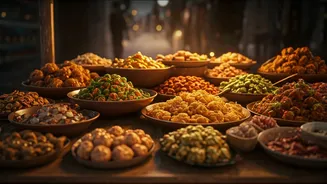
This isn't just a festival; it's a grand, statewide celebration of food, gratitude, and community. Unlike more formal religious holidays, Magh Bihu is centered on the very tangible gifts of the earth. The paddy fields have been cleared, the granaries are full, and for a few days, life revolves around preparing, sharing, and savoring an astonishing variety of dishes that are rarely seen on restaurant menus outside the region.
Pitha: The Soul of the Celebration
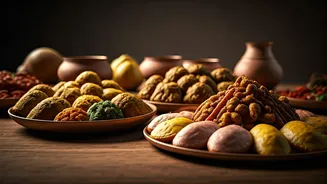
No Bihu celebration is complete without pitha, a category of snack that can be loosely described as a rice cake, but with endless variations. Made from freshly harvested glutinous rice flour, these can be sweet or savory, steamed, fried, or roasted. The most iconic is the Til Pitha, a thin, delicate rice paper-like roll stuffed with a sweet, nutty mixture of roasted black sesame seeds and jaggery (unrefined cane sugar). Another favorite is the Ghila Pitha, a small, fluffy, deep-fried pancake that is slightly sweet and utterly addictive. These aren't just treats; they are symbols of the harvest's bounty, painstakingly prepared by families and exchanged between neighbors as a gesture of goodwill.
Laru: Sweet Spheres of Joy
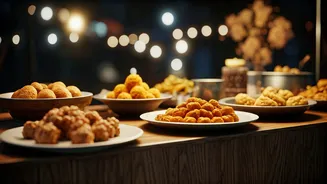
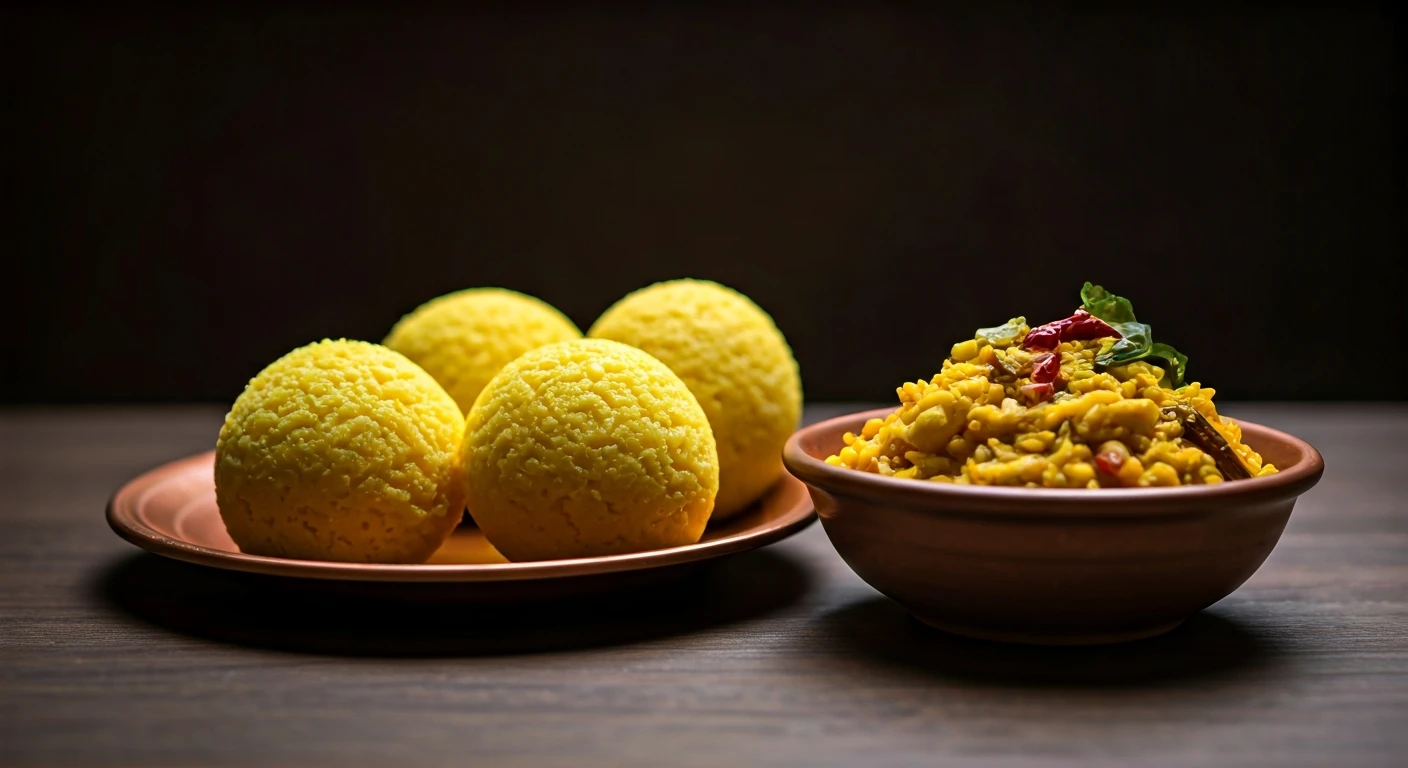
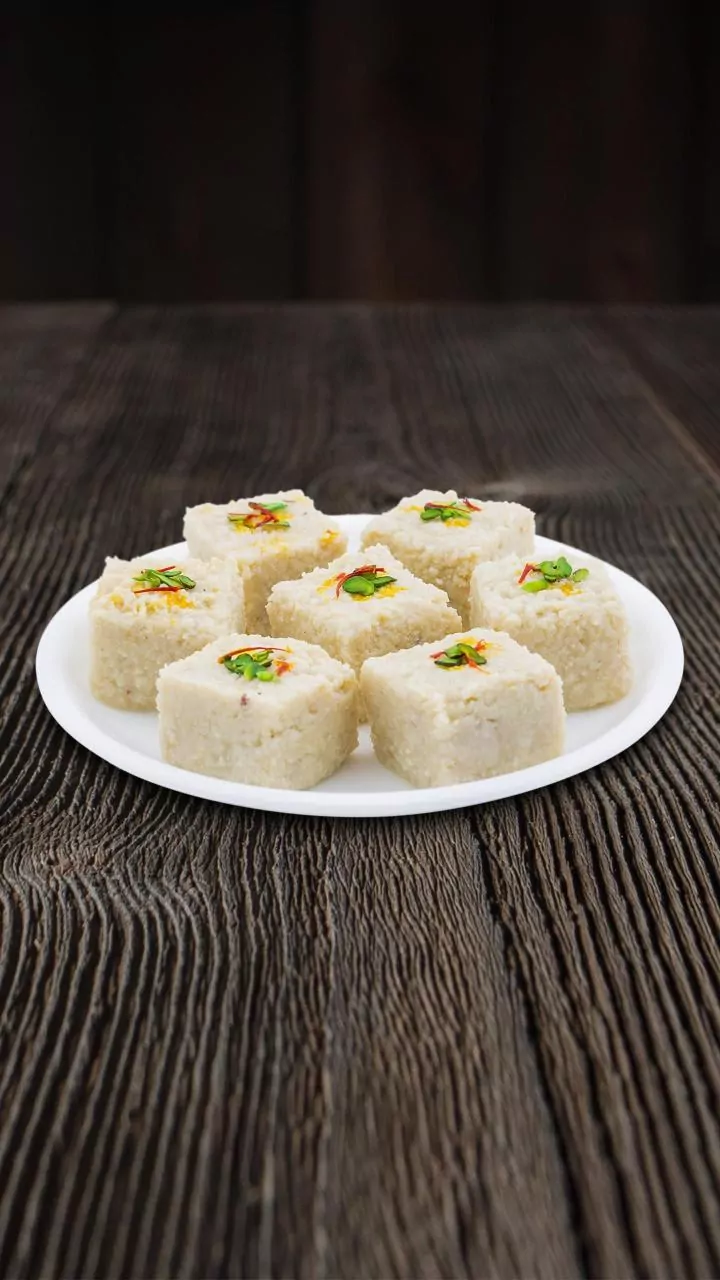
Alongside pitha, you'll find an array of larus—sweet, hand-rolled balls that serve as the festival's go-to confection. Simple yet profound, they showcase core Assamese ingredients. Nariolor Laru, made from grated coconut cooked down with sugar or jaggery until it becomes a fragrant, chewy delight, is a staple in every household. Another popular version is Murir Laru, crafted from puffed rice held together by molten jaggery, offering a delightful crunch. These sweets are more than just a sugar rush; they are a taste of tradition, often prepared in large batches and stored in jars to be enjoyed and offered to guests throughout the festival period.
The Savory Centerpiece
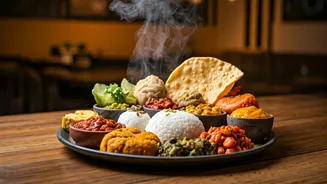
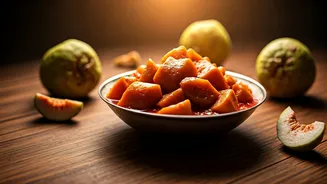
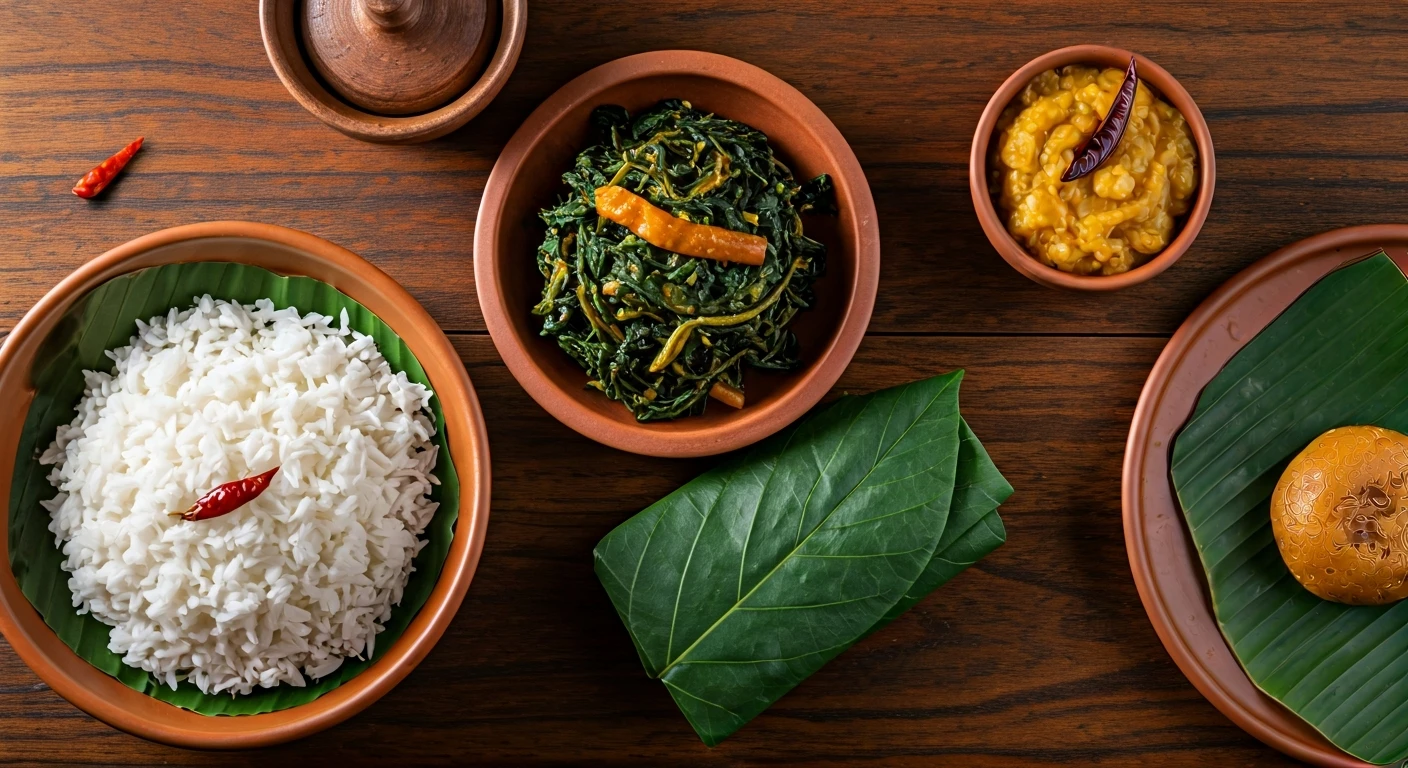
While sweets dominate the snack table, the main feasts of Magh Bihu are robust and savory. On the eve of the festival, communities gather for a grand feast called 'Uruka.' This is when the heartier dishes emerge. Duck curry, or Haah Joha, is a celebrated delicacy, often slow-cooked with ash gourd or winter melon, creating a rich, flavorful gravy that pairs perfectly with steamed rice. Given Assam's network of rivers, fish is also a star. It might be roasted in bamboo hollows over an open fire, a technique that imparts a unique, smoky flavor, or cooked in a light, tangy stew with elephant apple (outenga). These dishes highlight a rustic, farm-to-table approach that has been practiced for centuries.
Food, Fire, and Fellowship
What makes the food of Magh Bihu so special is the context in which it's eaten. The Uruka feast often takes place in temporary community huts called 'Bhelaghar,' built from bamboo and paddy straw. The next morning, these huts and tall bonfires called 'Meji' are ceremoniously burned as offerings to Agni, the fire god, symbolizing the marking of a new agricultural cycle. Food is shared not at a formal dining table, but around these fires, fostering a powerful sense of togetherness. Eating a piece of freshly roasted sweet potato, dug from the embers of the Meji, connects you directly to the land and the people who cultivate it.