






The Mughal Heartbeat of Old Delhi
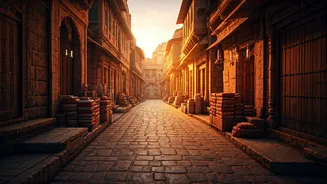
Stepping into Chandni Chowk is like stepping into a time machine set to the 17th century. Designed by Princess Jahanara, the daughter of Mughal emperor Shah Jahan (the man behind the Taj Mahal), this was once the grandest market in India. Today, its grandeur
is one of glorious chaos. Rickshaws and pedestrians navigate a tangled web of lanes, each dedicated to a different trade: glittering textiles in one, shimmering silver in another. The air is thick with the scent of deep-frying parathas from legendary food stalls that have been serving the same recipes for generations. This isn't just a market; it’s a sensory onslaught and the historical, commercial, and culinary heart of Old Delhi.
The Sacred Stairways to the Ganges
In Varanasi, the holiest of India's cities, the streets that matter most are not paved with asphalt but with stone steps leading down to the sacred Ganges River. These are the ghats. By day, they are a riot of life—children playing cricket, families bathing, laundry being washed and spread out to dry. At dawn and dusk, they transform into stages for profound spiritual rituals. The morning ‘aarti’ (prayers) greet the sun with bells and chants, while the evening ceremonies bid it farewell with fire and smoke. Witnessing the cycles of life and death playing out so openly, from celebratory baths to solemn cremations at Manikarnika Ghat, is a powerful, unforgettable experience that connects you to millennia of Hindu tradition.
A Colonial Tapestry on the Spice Coast
Down south in the breezy port of Kochi, the streets tell a different story—one of trade, colonialism, and cultural fusion. Wandering the quiet lanes of the Fort Kochi neighborhood feels like exploring a coastal European town that happens to be nestled in tropical India. Here, centuries-old Portuguese villas, Dutch cemeteries, and British-era bungalows stand side-by-side. The most iconic sight is the cantilevered Chinese fishing nets, silhouetted against the sunset, a testament to ancient trade routes. The area has reinvented itself as a hub for art galleries, chic cafes, and boutique hotels, but the scent of cardamom and sea salt in the air is a constant reminder of its storied past as a lynchpin of the global spice trade.
The Pink City's Colorful Corridors
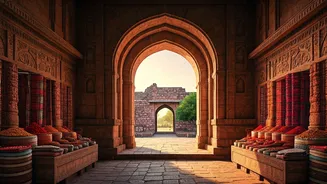
Jaipur is famously known as the "Pink City," a moniker earned in 1876 when the entire city was painted terracotta pink to welcome the Prince of Wales. This uniform color scheme provides a stunning backdrop to the city's bustling bazaars, which are laid out in a grid-like plan visionary for its 18th-century origins. Dive into Johari Bazaar for exquisite jewelry and gemstones, or Bapu Bazaar for vibrant textiles and leather goods. The streets here are a riot of color, sound, and energy. You'll share the road with camels pulling carts, motorbikes weaving through crowds, and merchants calling out their wares. It’s a living marketplace that feels as royal and vibrant today as it must have centuries ago.