








A National Health-Conscious Awakening
It’s a scene playing out across India’s cities. Parks once reserved for leisurely morning strolls are now brisk-walking expressways. Office break rooms buzz not with gossip, but with comparisons of smartwatch stats. Corporate wellness programs, once a novel
perk, have become fiercely competitive arenas for inter-departmental “step challenges.” What was once a niche activity for the affluent has become a mainstream cultural phenomenon, particularly for India’s enormous population of millennials and Gen Z. This isn't just a fleeting fad. It’s a fundamental shift in how young, urban Indians view health and status. For a generation that came of age with smartphones and rising disposable incomes, fitness has become a new, aspirational frontier. It's a visible marker of a modern, disciplined, and globally-connected lifestyle—a stark contrast to the more sedentary habits of previous generations.
The Tech Fueling the Movement
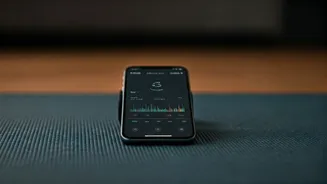
This fitness boom is inextricably linked to a technology boom. While Americans often associate wearables with pricey Apple Watches and Fitbits, the Indian market tells a different story. The driving force is a flood of highly affordable, feature-packed smartwatches and fitness bands from homegrown brands like boAt and Noise, alongside Chinese giants like Xiaomi and OnePlus. These companies have cracked the code for the Indian consumer, offering devices for as little as $20 to $40. At that price, a fitness tracker is no longer a luxury item but an accessible tool for self-improvement. India is now the largest wearable market in the world by shipment volume, consistently outpacing the U.S. and China. This mass adoption of technology has put health data, once the preserve of doctors, directly onto the wrists and into the hands of millions, gamifying the simple act of walking.
From Steps to a Wellness Ecosystem
Chasing steps is just the entry point into a much larger wellness ecosystem. The 10,000-step goal has served as a gateway drug to a more holistic approach to health. This has ignited explosive growth in related industries. Gym chains like Cult.fit (now a unicorn startup) offer a blend of in-person classes, at-home digital workouts, and health-food delivery. Boutique fitness studios offering CrossFit, Pilates, and MMA are no longer confined to the wealthiest neighborhoods. Simultaneously, a new generation of health-food startups is reimagining Indian cuisine, offering millet-based alternatives to rice, protein-rich snacks, and low-sugar beverages. Social media is saturated with fitness influencers who share workout routines, healthy recipes, and motivational content, creating a powerful digital feedback loop that reinforces the trend. It's a self-sustaining cycle where technology enables new behaviors, which in turn create new markets.
A Response to a Modern Problem
Beneath the aspirational surface, the movement is also a pragmatic response to a looming health crisis. India is often called the “diabetes capital of the world,” with lifestyle diseases on a steep rise due to increasing urbanization, more sedentary jobs, and changing diets. The young generation is acutely aware of seeing these issues affect their parents and elders. The focus on preventative wellness—hitting step goals, monitoring sleep, and making conscious food choices—is a proactive defense against this future. It’s a rebellion against a fate that once seemed inevitable. For young Indians, chasing steps isn't just about fitness; it’s about taking control, investing in their future, and embodying the aspirations of a nation on the move in every sense of the word.