
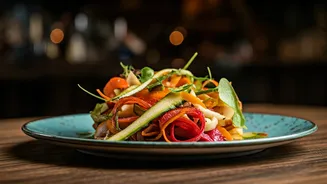


The Tyranny of the Perfect Plate
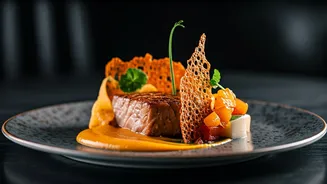
Scroll through any food-centric social media feed and you’ll see it: the perfectly spherical scoop of sorbet, the identical asparagus spears laid in a neat row, the flawless, ruby-red tomato slice. This aesthetic, driven by a demand for visual conformity,
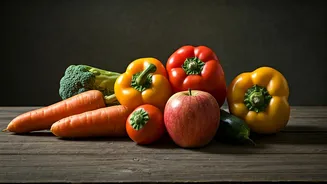
has dominated restaurant culture for decades. It’s clean, it’s beautiful, and it’s deeply boring. More than that, it’s incredibly wasteful. To achieve this level of cosmetic perfection, farmers and distributors are often forced to discard mountains of produce that is perfectly edible but aesthetically 'flawed.' A carrot that’s forked, a tomato with a slight blemish, or a pepper that’s a little misshapen gets rejected long before it ever reaches a cutting board. The U.S. Department of Agriculture estimates that up to 40% of the food supply in the United States goes uneaten. While not all of this is due to cosmetic standards, a significant portion is perfectly nutritious food left to rot simply because it doesn’t look the part. This pursuit of flawless presentation has created a system that values appearance over substance, and it’s high time we called it out.
Flavor Is Found in the Flaws
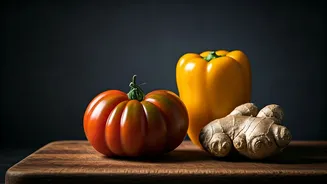
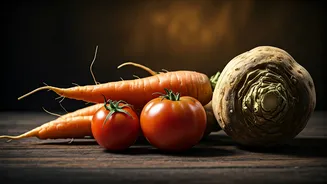
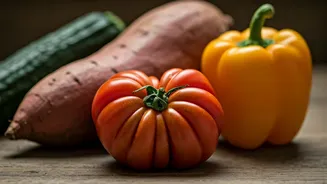
Here’s the secret that industrial agriculture doesn’t want you to know: uniformity is often the enemy of flavor. Produce bred to be perfectly round, uniformly colored, and durable enough for cross-country shipping is rarely bred for taste. The most delicious tomato you’ll ever eat will likely be an heirloom variety, bursting with sugars and acids, but also prone to cracking and odd shapes. That knobby, multi-pronged carrot? It probably fought its way through rocky soil, developing a deeper, more complex sweetness. Chefs at the forefront of the “ugly produce” movement understand this. They are actively seeking out these so-called rejects not just for ethical reasons, but for culinary ones. They know that an oddly shaped beet might have a more concentrated, earthy flavor profile. By prioritizing taste over rigid cosmetic standards, these chefs are sourcing ingredients at their peak, delivering dishes that are more dynamic and genuinely delicious than anything a perfectly symmetrical plate could ever offer.
Creativity Thrives on Constraint
Handing a chef a box of perfectly identical zucchini is easy. Handing them a box of varied, slightly bruised, and eccentrically shaped produce is a challenge—and that’s where true creativity happens. Instead of simply slicing and arranging, a chef has to think. How can I use the bruised part of this apple for a compote and the crisp part for a slaw? How can I turn this gnarled celery root into the star of a dish? This is the kind of cooking that separates the technicians from the artists. It forces chefs to embrace techniques like roasting, puréeing, fermenting, and pickling, turning potential waste into culinary assets. Menus become more fluid and exciting, changing daily based on what’s available from the farm, not what’s available from a catalog. A dish born from the necessity of using a “damaged” ingredient is often more soulful and memorable than one constructed from an assembly line of flawless components. It tells a story of resourcefulness and respect for the ingredient.
It’s Not Just a Meal, It’s a Statement
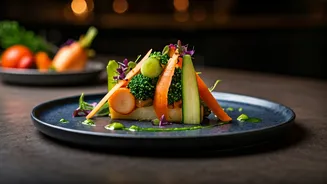
Choosing to eat at a restaurant that proudly serves ugly produce is more than just a dining decision; it’s a vote for a better food system. It’s a signal to the industry that you, the diner, care more about flavor, sustainability, and creativity than you do about superficial beauty. You’re supporting chefs who are taking financial and creative risks to do the right thing. You’re helping create a market for farmers’ entire harvests, not just the cosmetically blessed portion. This shift redefines what makes a meal “cool.” It’s no longer about exclusivity or visual perfection that can be captured in a photo. Instead, it’s about authenticity and intention. A plate of roasted, misshapen carrots served with their tops made into a pesto isn’t just a dish; it’s a conversation about waste, ingenuity, and what we value in our food. That’s a far more interesting story than a perfect plate could ever tell.