


The Science of a Squeeze of Lime
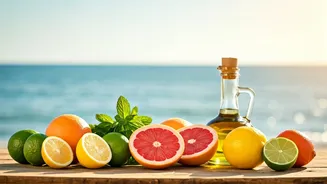
There’s a reason why a squeeze of citrus feels like a splash of cool water on a hot day. It’s not just a feeling; it’s culinary science. Acidity, found in lemons, limes, and vinegars, works as a powerful palate cleanser. When you’re feeling sluggish from
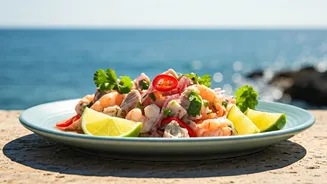
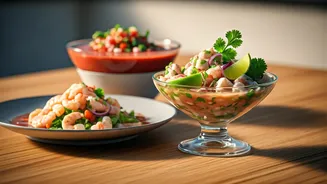
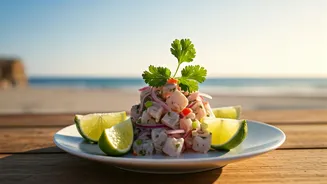
the heat, a fatty or heavy meal can feel overwhelming. Acidity cuts through that richness, lifting flavors and making each bite feel lighter and more refreshing. Think of ceviche, the unofficial dish of the Latin American coastline, now a staple from California to Florida. Raw fish isn't cooked with heat, but with the denaturing power of citrus juice. The result is a dish that is texturally firm yet delicate, and flavorfully electric. The bright tang of lime juice, often paired with the sharp bite of red onion and the heat of a chili, wakes up the senses and provides a culinary jolt of energy that feels perfectly calibrated for a sweltering afternoon.
A Salty Kiss from the Sea
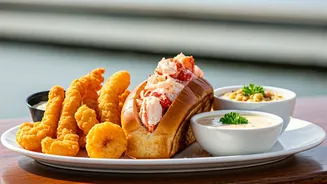
Coastal food is inextricably linked to the ocean, and that means salt is a key player. This isn’t just about seasoning. Salt enhances flavor, preserves food, and, in a practical sense, helps replenish the minerals we lose when we sweat in the coastal humidity. But beyond that, it provides a crucial counterpoint to acidity and sweetness. Consider a New England lobster roll: the sweet, delicate lobster meat is often dressed in a mayonnaise-based sauce brightened with lemon juice, but it’s the salty, buttery, toasted bun that provides the perfect savory foundation. Similarly, the pickled onions on a West Coast fish taco or the capers scattered over a Mediterranean sea bass aren't just garnishes; they are concentrated bursts of briny, salty flavor that prevent the dish from becoming one-note. This interplay between salt and acid is a hallmark of coastal cooking, creating a dynamic tension that keeps you coming back for another bite.
The Cool Crunch of Raw Power
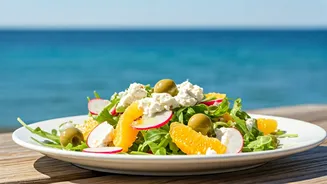
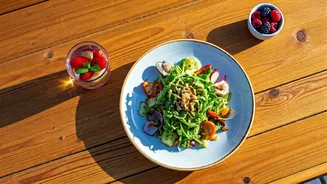
Heat makes us crave coolness and texture. While a hot grill has its place, much of the relief found in coastal cuisine comes from ingredients that are barely cooked or left entirely raw. This technique preserves the natural crispness and hydration of vegetables and herbs, providing a textural contrast that feels immensely satisfying. Think of the crisp shards of cabbage and radish that top a Baja fish taco, the refreshing crunch of cucumber in a Gulf shrimp salad, or the fistful of fresh cilantro and mint that finishes a Vietnamese-style seafood noodle bowl. These raw elements aren’t just filler; they are fundamental to the experience. They add a layer of vitality and freshness that a fully cooked dish often lacks. This emphasis on raw, crunchy components makes the food feel alive and hydrating, offering a direct and delicious antidote to the wilting effects of a hot sun.
When Sweetness Meets Its Tangy Match
Dessert in a hot climate presents a unique challenge. A heavy, overly sweet confection can feel like a burden after a meal. Coastal culinary traditions have solved this problem brilliantly by infusing their sweets with a signature tangy twist. The most iconic example is, of course, Key lime pie from the Florida Keys. It's rich and creamy, yes, but the dominant flavor is the sharp, almost sour punch of the tiny Key lime. That acidic kick cleanses the palate and makes the sweetness of the condensed milk and graham cracker crust feel earned and balanced, rather than cloying. The same principle applies to lemon sorbets on the Amalfi Coast, passion fruit mousses in tropical regions, or a simple bowl of berries drizzled with balsamic vinegar. The tang acts as a reset button, making the final course of the meal feel as refreshing and light as the first.