

What is a Monsoon Homestay?
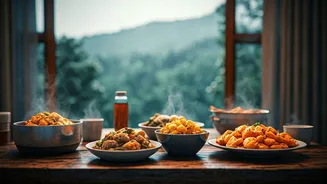
First, let's break it down. A homestay isn't just an anonymous rental; it’s a form of accommodation where you stay in a local family’s home or in a small, privately-owned guesthouse on their property. It offers a more intimate, culturally rich experience
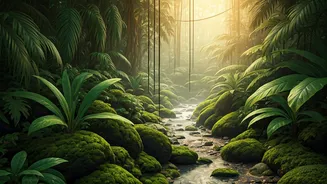
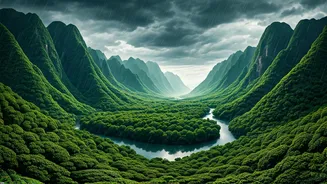
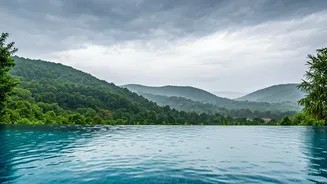
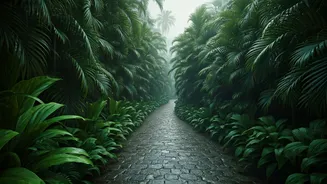
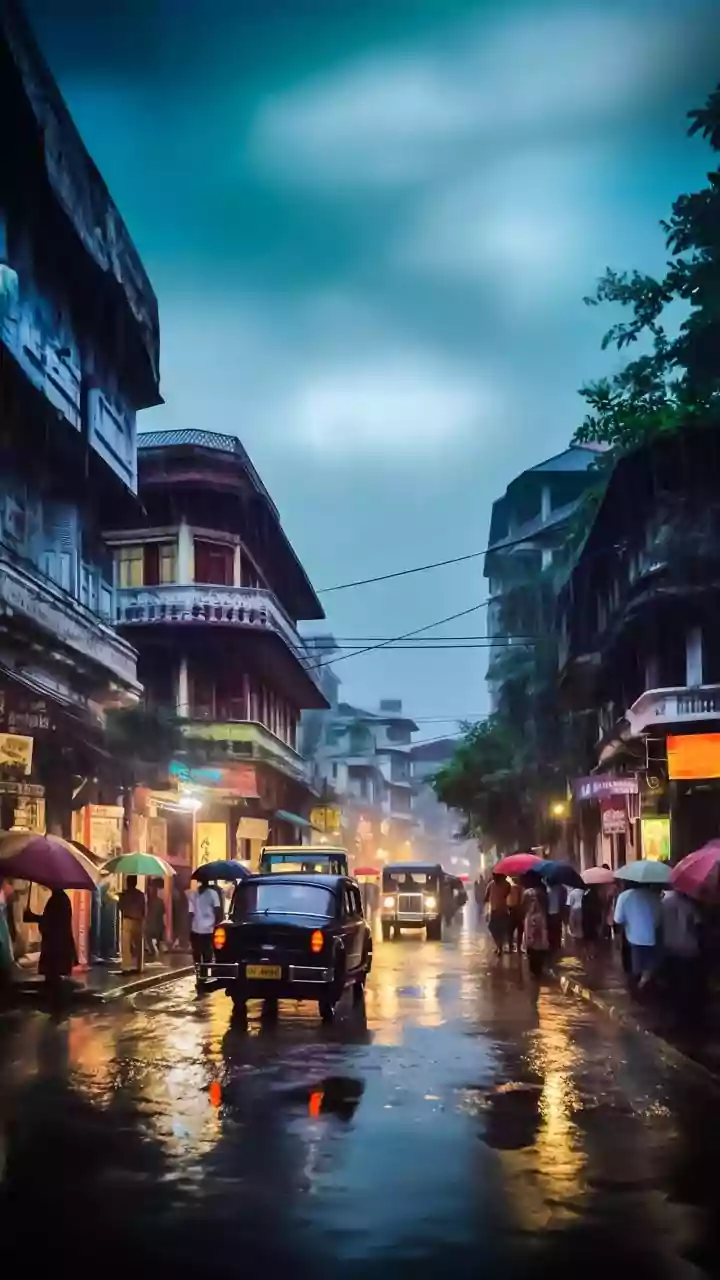
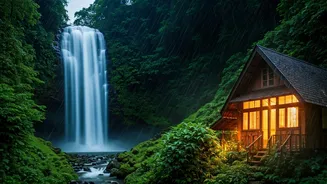
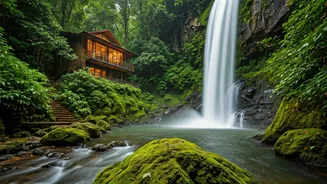
than a hotel, often complete with authentic, home-cooked meals. Now, add the monsoon. In many parts of South and Southeast Asia—like India's Kerala or Goa, or Thailand's northern regions—the monsoon season (roughly June to September) is considered the “off-season.” But for those in the know, it’s a time of profound beauty. The landscape explodes in a thousand shades of green, the air is clean and cool, and the rhythm of life slows to the tempo of the falling rain. A monsoon homestay combines this cozy, immersive lodging with the dramatic backdrop of the rainy season, creating a unique and atmospheric retreat.
The Ultimate Setting for Group Connection
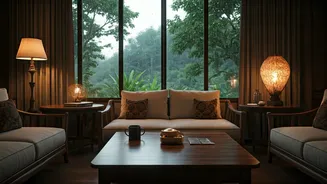
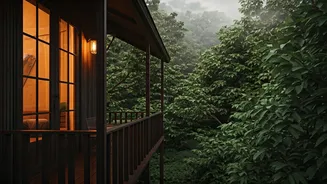
The typical group vacation can sometimes feel like a logistical marathon, a frantic dash from one activity to the next. The beauty of a monsoon homestay is that it removes the pressure to *do*. The steady rain provides a natural excuse to slow down, stay in, and actually connect with each other. Mornings can be spent lingering over coffee on a covered veranda, afternoons are perfect for collaborative cooking sessions with your hosts, and evenings are for board games, long conversations, or simply listening to the downpour. This shared experience of being cozied up together against the elements fosters a different kind of bonding—one built on presence and relaxation rather than a packed itinerary. It’s the perfect environment for friend groups, family reunions, or couples’ trips focused on quality time over sightseeing.
Lush Scenery and Lighter Costs
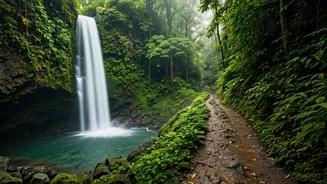
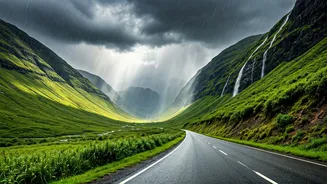
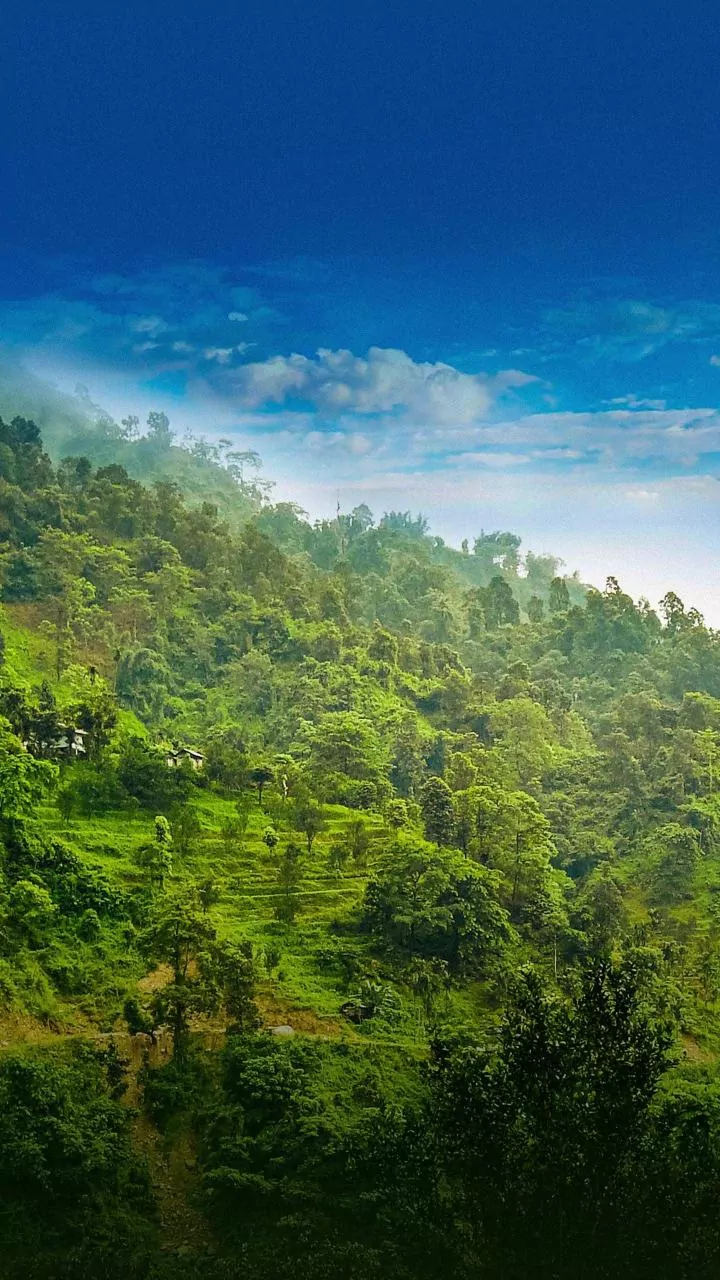
Traveling during the monsoon season has two major, practical advantages: unparalleled natural beauty and lower prices. The dry, dusty landscapes of the hot season are transformed into a vibrant, living paradise. Waterfalls that were mere trickles become roaring torrents, rivers swell, and the foliage becomes impossibly lush. For photographers or anyone who appreciates nature, it’s a visual feast. But the appeal is also financial. Because it’s the tourism off-season, you’ll find significantly fewer crowds at popular spots that remain open. Flights are often cheaper, and the homestays themselves offer attractive rates. This makes a longer, more relaxed trip more accessible. You get to experience a destination at its most dramatic and atmospheric, all while avoiding the peak-season crush and saving money.
Embracing a Slower, Cozier Vibe
A trip like this requires a shift in mindset. If your idea of a vacation is sunbathing on a beach for eight hours a day, this isn't for you. The joy of a monsoon trip is in embracing the weather, not fighting it. It’s about finding pleasure in the indoor, the contemplative, and the serene. Pack good books, a deck of cards, and a portable speaker for music. Plan your outdoor excursions—like a walk through a spice plantation or a visit to a local market—for the breaks between showers. Many homestays in regions like Kerala also offer Ayurvedic treatments, which are traditionally considered more effective during the monsoon season when the body is more receptive. This is wellness travel in its truest sense: a chance to rest your body, calm your mind, and disconnect from the hustle.
Where to Find Your Perfect Retreat
While monsoon homestays are available across a wide region, a few destinations are particularly renowned for this experience. Kerala, in southern India, is the classic choice. Known as “God's Own Country,” its backwaters, tea plantations, and lush hills are spectacular in the rain. You can find homestays in colonial-era bungalows or traditional wooden houses. Goa, famous for its beaches, offers a different monsoon charm. Away from the coast, its sleepy inland villages with beautiful Portuguese-style homes become quiet sanctuaries. In Southeast Asia, consider areas like Chiang Mai in northern Thailand, where the mountains are shrouded in mist and the countryside is intensely green. Or look to Bali's central highlands around Ubud, where the rain brings a sense of tranquility to the rice paddies and jungle villas.