





First, What Is a 'Vrat'?
Before diving into the dates, it’s helpful to understand the concept. A 'vrat' is a Sanskrit word that translates to a vow or resolve. While it's most commonly associated with fasting, a vrat is a broader commitment to a period of spiritual discipline.
This can include abstaining from certain foods (or all food), dedicating extra time to prayer and meditation, reading sacred texts, and practicing mindfulness and charity. It’s less about deprivation and more about creating space for spiritual connection. For millions, observing vrats is a way to periodically detoxify the body and mind, show devotion to a particular deity, and cultivate inner peace amid the hustle of modern life.
Yogini Ekadashi: A Day for Spiritual Cleansing
July kicks off with Yogini Ekadashi. Ekadashi, the eleventh day of each lunar fortnight, is one of the most significant and regularly observed vrat days. There are two in every Hindu month. This particular one is dedicated to Lord Vishnu and is observed as a powerful day for seeking forgiveness for transgressions, both intentional and unintentional. Observers often fast from grains and beans, spending the day in prayer, chanting Vishnu mantras, and reflecting. It’s seen as a potent opportunity to cleanse one's spiritual slate and remedy ailments, both physical and karmic. For many, it's a bi-monthly reset button for the soul.
Guru Purnima: Honoring Your Teachers
Falling on the full moon day of the month, Guru Purnima is a unique and deeply meaningful festival. It's a day dedicated to honoring one's teachers, or 'gurus.' This includes spiritual preceptors, academic teachers, parental figures, and anyone who has imparted wisdom and guidance. 'Gu' means darkness and 'ru' means remover, so a guru is one who removes the darkness of ignorance. On this day, devotees express gratitude through special prayers, offerings, and acts of service. It’s a powerful reminder that knowledge and wisdom are gifts to be cherished and that the student-teacher relationship is sacred across all walks of life.
Kamika Ekadashi: The Mid-Month Spiritual Boost
The second Ekadashi of the month, Kamika Ekadashi, offers another chance to connect with the divine energy of Lord Vishnu. This vrat is believed to be exceptionally virtuous, bestowing blessings equivalent to donating a cow or performing major pilgrimages. The name 'Kamika' itself means 'that which fulfills desires.' Devotees observe this fast not only for spiritual merit but also with the hope of having their righteous wishes granted. The rituals are similar to other Ekadashis—fasting, prayer, and offering tulsi (holy basil) leaves to Vishnu, an act considered especially auspicious on this day.
The Start of Sawan: A Month of Devotion to Shiva
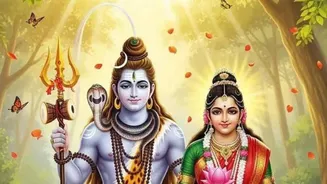
For a large part of the U.S. Hindu community, particularly those with North Indian roots, late July marks the beginning of Sawan (or Shravan), a holy month dedicated entirely to Lord Shiva. This period is considered extremely auspicious for worship and spiritual practices. The atmosphere becomes charged with devotion, and temples often hold special services. A key part of Sawan is the 'Sawan Somwar Vrat,' a fast observed on Mondays. Many people will fast every Monday throughout the month, offering water, milk, and bilva leaves to a Shiva Lingam. It’s a time of intense focus, penance, and prayer, especially for unmarried women seeking a good husband and for others seeking health, prosperity, and spiritual growth.