







When the Artery Was Severed
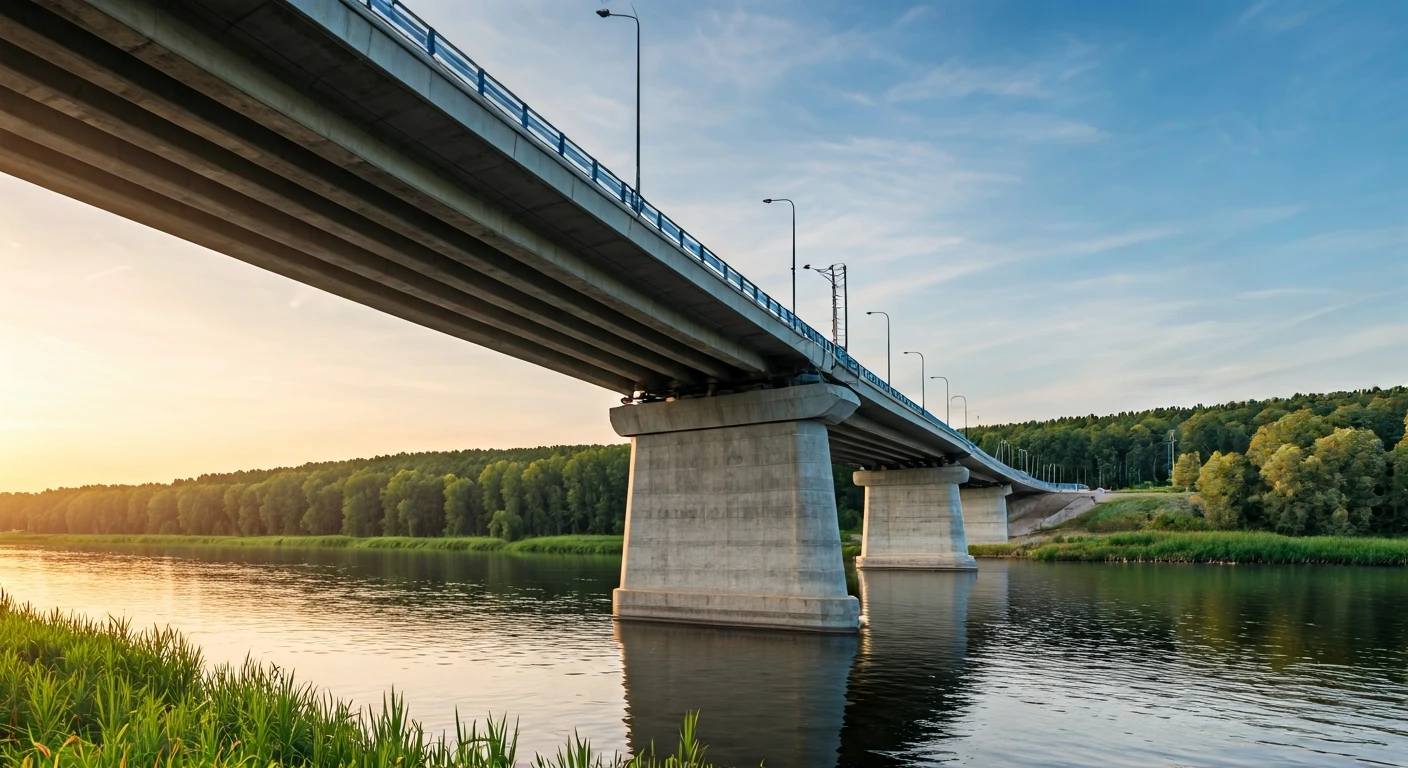
In July 2023, ferocious monsoon rains lashed North India, turning placid rivers into raging torrents. One of the key casualties was a crucial 60-meter bridge over the Tarnah Nallah, a tributary in the Ravi River basin, located in the Kathua district of Jammu
and Kashmir. The deluge washed away the bridge's approach road, rendering it completely unusable. This wasn't just a local inconvenience; it was the severing of a national artery. The bridge sits on National Highway 44, the only all-weather road linking the Kashmir valley and Ladakh to the rest of India. Suddenly, a lifeline for millions of people, a critical military supply route, and a commercial thoroughfare was gone. Vehicles were forced onto long, winding, and often congested alternate routes, adding hours to journeys and creating a logistical nightmare for a region that heavily depends on this single point of connection.
More Than Just a Road
To understand the crisis, you have to understand the geography. NH-44 is the backbone of Jammu and Kashmir. All essential supplies—from food and medicine to fuel and construction materials—travel up this highway. The collapse occurred during the annual Amarnath Yatra, a major Hindu pilgrimage that draws hundreds of thousands of devotees to the region, creating immediate chaos for travelers. Economically, apple growers in Kashmir and other local producers depend on this road to get their perishable goods to markets across India. But the highway's most critical function is strategic. It is the primary route for moving military personnel, equipment, and supplies to the highly sensitive border areas with Pakistan and the contested Ladakh region bordering China. A prolonged closure doesn't just disrupt civilian life; it poses a significant national security challenge, hindering the Indian Army's ability to maintain readiness in two of the world's most volatile border zones.
The Race to Reconnect
The task of restoring this vital link fell to the Border Roads Organisation (BRO), an engineering force under India's Ministry of Defence responsible for building and maintaining infrastructure in the country's most challenging and remote border areas. The BRO engineers immediately began a race against time. Working 24/7, even as the monsoon continued, they first had to create a diversion with a temporary path for light vehicles to provide immediate relief. The main goal, however, was to construct a more durable, temporary replacement for the main bridge. They opted for a Bailey bridge—a prefabricated, modular steel bridge that can be assembled quickly on-site. It's a solution born from military necessity, prized for its speed and reliability in emergencies. Despite the difficult terrain and relentless weather, the BRO team managed to construct and launch the new Bailey bridge in a remarkably short period, showcasing a feat of high-speed, high-stakes engineering.
A Lifeline Restored
The reopening of the bridge, first to pedestrians and light vehicles via the diversion and then to all traffic on the new Bailey bridge, brought a collective sigh of relief across the region. The endless lines of trucks, which had been stranded for days, began to move again. The flow of essential goods resumed, stabilizing prices and ensuring supplies reached remote communities. Pilgrims and tourists could once again travel with greater certainty. For the military, the restoration meant that the crucial supply chain to the northern frontiers was secure once more. The bridge's “comeback” was celebrated not just as an infrastructure project, but as a symbol of the region's resilience and the government's ability to respond effectively in a crisis. It underscored the profound importance of a single piece of concrete and steel in holding a region together.