








A Surprise Gift After the Storm
Anyone living in the warmer, wetter parts of the United States has likely experienced this delightful phenomenon. A soaking thunderstorm rolls through, breaking a dry spell, and within a day or two, mysterious blooms erupt from the soil. Often white,
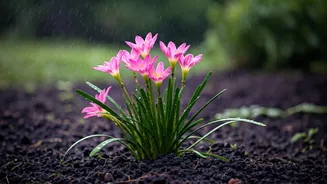
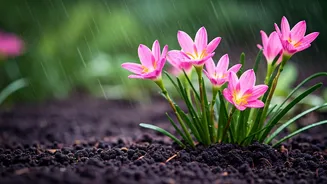
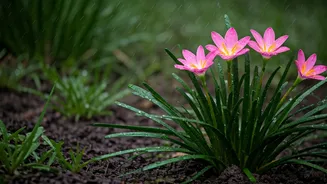
pink, or yellow, these elegant flowers are known as rain lilies, and their sudden appearance is one of nature’s most charming displays. They don’t predict the rain, but they serve as a beautiful confirmation that it has arrived. Unlike plants that follow a slow, seasonal calendar, rain lilies operate on their own dramatic schedule, waiting patiently underground for the perfect cue to burst forth in a fleeting, spectacular show.
Meet the Zephyr Lily
The flowers are known by many names—fairy lilies, zephyr lilies, rain flowers—but they belong to the genus *Zephyranthes*. The name comes from Zephyrus, the Greek god of the west wind, which was often associated with gentle spring and summer breezes. Native to the Americas, particularly the southern U.S., Mexico, and Central and South America, these bulb-producing perennials are perfectly adapted to climates with distinct wet and dry seasons. Their foliage is often grassy and inconspicuous, which is why their sudden flowering seems to come from nowhere. The blooms themselves are simple but stunning: six petals forming a star or crocus-like cup, perched atop a slender, leafless stalk. They are a testament to resilience, a delicate flower emerging from a tough, drought-tolerant bulb.
The Science of the 'Notification'
So, how do rain lilies get the message? The headline’s claim of a “monsoon notification” is poetically true, but the science is even more fascinating. The primary trigger isn't just any light sprinkle; it’s a significant drenching. The bulbs lie dormant deep in the dry soil, conserving energy. A thorough soaking, like the kind delivered by a heavy summer downpour or the start of a monsoon season in the Southwest, is the wake-up call. The abundant moisture signals that conditions are finally right to expend the energy to produce a flower and, hopefully, seeds. Some researchers also believe that the drop in barometric pressure associated with a storm front can contribute to the signal, but the deep watering is the critical factor. This survival strategy ensures they don't waste precious resources blooming in a false-start drizzle. They wait for the real deal, and when it comes, they respond with astonishing speed, often flowering within 48 to 72 hours.
An American Phenomenon
While you can buy and plant rain lily bulbs in gardens across much of the country (they are hardy in USDA zones 7-10), their most magical appearances happen where they grow wild. In Texas, the copper lily (*Habranthus tubispathus*), a close relative, and the white *Zephyranthes drummondii* are famous for carpeting fields after a good rain. In Florida, the native Atamasco lily (*Zephyranthes atamasca*) signals the start of the wetter season in wetlands and meadows. The term “monsoon notification” is especially apt in the American Southwest. After a long, dry spring, the arrival of the summer monsoon rains in states like Arizona and New Mexico triggers a flush of life, and the appearance of wild rain lilies is a classic, celebrated sign that the season of life-giving water has truly begun.
Finding Them in Your Own World
The beauty of rain lilies is their accessibility. You don’t need to hike into a remote wilderness to see them. They are famously stubborn and self-sufficient, often popping up in manicured lawns, roadsides, and forgotten corners of a garden where their bulbs have lain dormant for years. If you want to cultivate this magic yourself, they are one of the easiest bulbs to grow in warmer climates. Plant them in the fall or spring, and then just wait. Forget about them, let the summer sun bake the ground, and then watch in amazement after the first big storm. They ask for nothing but patience and a good downpour, rewarding you with a spectacle that never gets old.