




Beyond the Winter Tan
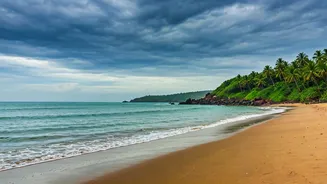
For decades, Goa has been typecast. It’s the quintessential winter sun destination, a place to escape the cold from December to February. Its sandy shores and legendary beach shacks draw millions seeking warm weather and epic parties. But this popular
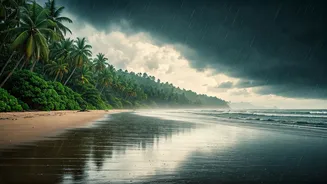
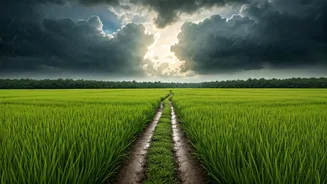
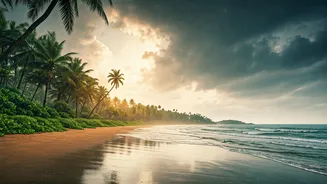
image, while not untrue, is profoundly incomplete. The real soul of Goa, many locals and seasoned travelers argue, reveals itself not under the harsh sun, but under the soft, gray skies of the monsoon. From June to September, the seasonal rains wash over India’s smallest state, triggering a dramatic metamorphosis. The dry, dusty fields and hillsides explode into a vibrant, almost electric green. The party scene subsides, the charter flights stop, and a profound sense of tranquility descends. This is not the Goa of postcards, but something deeper, more atmospheric, and entirely captivating.
A Symphony for the Senses
The monsoon experience in Goa is a full-body immersion. The first thing you’ll notice is the smell—petrichor, the earthy scent of rain hitting dry soil, hangs in the air, mixed with the fragrance of wet foliage and tropical flowers. The constant, gentle drumming of rain becomes the soundtrack to your day, a meditative rhythm that encourages you to slow down.
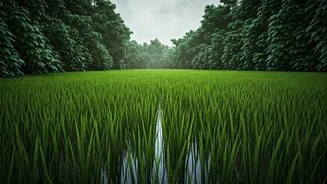
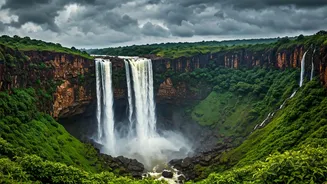
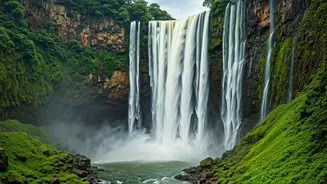
Visually, it’s a revelation. Waterfalls like the famous Dudhsagar, which can be a mere trickle in the dry season, become thunderous, magnificent cascades. Rivers swell, rice paddies turn into shimmering emerald pools, and the Portuguese-era villas of Old Goa seem to gain a romantic, melancholic beauty against the lush backdrop. This is the time for driving through winding village roads, where every turn reveals a new vista of breathtaking greenery.
The Rhythm of the Rain
While beach swimming is off-limits due to rough seas, the monsoon opens up a different world of activities. This is the prime season for exploring Goa’s verdant interior. Spice plantations in areas like Ponda are at their most fragrant and alive, offering tours that engage all the senses. Treks through wildlife sanctuaries, such as the Bhagwan Mahavir Wildlife Sanctuary, are muddy but incredibly rewarding, offering a chance to see the region’s flora and fauna in its prime.
It’s also the perfect time to indulge in Goa’s legendary food scene, minus the peak-season queues. Hunker down in a cozy café in a colorful Latin Quarter alleyway, or find a restaurant overlooking a roaring river. Many establishments that remain open offer special monsoon menus, focusing on comforting, locally sourced ingredients. It’s an opportunity to connect with Goan culture through its cuisine in a more intimate setting.
Embracing 'Susegad'
There’s a word in Konkani, the local language of Goa, that perfectly encapsulates the monsoon mood: ‘susegad.’ It’s a concept that doesn’t have a direct English translation but loosely means a relaxed, contented state of being; a blissful satisfaction with life. While you can find moments of it in any season, the monsoon is when susegad truly comes to life.
The slower pace, the lack of pressure to ‘do’ everything, the focus on simple pleasures like reading a book while listening to the rain—this is the essence of a monsoon holiday. It forces a mindset shift away from the typical tourist checklist and toward simply being present. You’re not just visiting Goa; you’re syncing up with its natural rhythm.
The Practical Perks
Beyond the romanticism, there are compelling practical reasons to visit Goa during the off-season. With fewer tourists, flight and accommodation prices drop significantly. You can often find luxury hotel rooms for a fraction of their high-season rates. The absence of crowds means you can explore popular forts, churches, and markets without jostling for space, allowing for a more personal connection with the place.
Yes, some beach shacks will be dismantled, and the rain is a daily reality. But you pack a light raincoat and good footwear, and you’ll find that life doesn’t stop. The main towns and villages are fully operational, and the Goan people are going about their lives, offering a more authentic glimpse into the local culture than the tourist-centric bubble of the winter months.