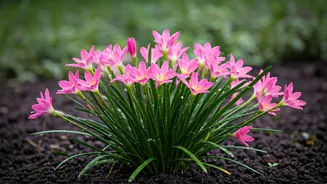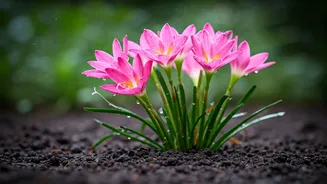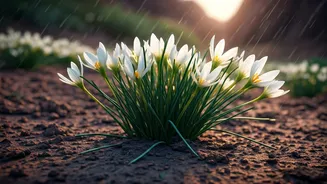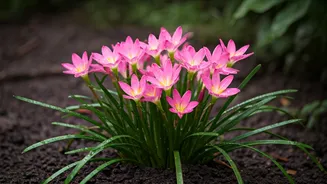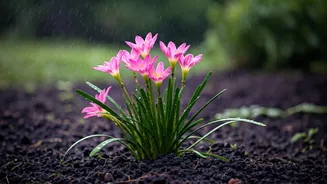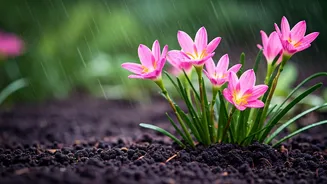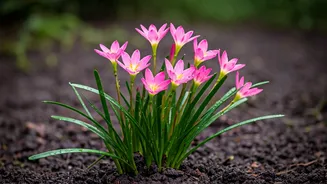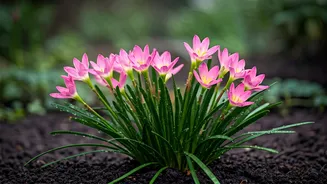







What Exactly Are Rain Lilies?
Despite their name, rain lilies aren't true lilies. They belong to the Amaryllis family and the genus *Zephyranthes*. Native to the Americas, these small, bulb-forming perennials are known by many charming names—fairy lilies, zephyr lilies, and storm
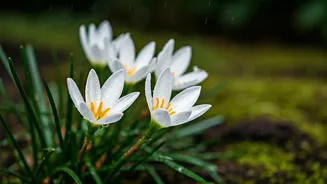
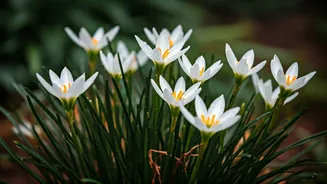
lilies—all hinting at their ephemeral, weather-dependent nature. They typically feature grassy foliage and delicate, crocus-like flowers that appear in shades of pink, white, and yellow. What makes them a favorite among gardeners is their near-magical ability to go from unseen bulbs to a full floral display almost overnight, often following a significant rain event.
The Science Behind the Sudden Bloom
The secret to the rain lily’s dramatic entrance lies in its biology, which is perfectly tuned to its native environment. These plants thrive in regions with distinct wet and dry seasons. The bulbs remain dormant during dry spells, conserving energy underground. The trigger for blooming isn't just moisture alone; it's often the combination of a drop in barometric pressure that precedes a storm and the thorough soaking from the subsequent rainfall. This combination signals to the bulb that the rainy season has begun and it's the optimal time to flower and set seed. This rapid response allows the plant to take full advantage of fleeting moisture, producing flower stalks that can shoot up and open within a matter of days.
Why They Are Perfect for Pots
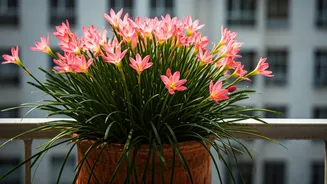
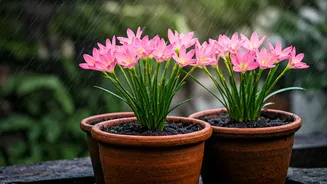
While rain lilies can be planted in garden beds, they truly shine in containers. A pot concentrates the bulbs, creating a much denser and more dramatic floral display than when they are scattered in the landscape. For gardeners in the American Southwest, where the summer “monsoon” season brings periodic deluges, a pot of rain lilies on a porch or patio can become a living barometer, heralding the arrival of cherished rains. Container growing also gives you complete control over their conditions, which is crucial. You can ensure they get the dry rest period they need to reset for the next bloom cycle, something that’s harder to manage in a mixed garden bed that receives regular irrigation.
Planting Your Own Monsoon Pot
Creating your own pot of rain lilies is incredibly simple. Start with a container that has excellent drainage—terracotta is a great choice as it breathes and helps the soil dry out. Fill it with a standard, well-draining potting mix. You can amend it with a bit of sand or perlite to improve drainage further. Plant the small bulbs about one to two inches deep and about two to three inches apart. Don’t be afraid to pack them in; a crowded pot yields a spectacular show. The most common varieties for U.S. gardeners are the pink *Zephyranthes rosea*, the white *Zephyranthes candida*, and the yellow *Zephyranthes citrina*. After planting, water them once and then place the pot in a sunny spot. Now, the hardest part: wait for the rain.
Caring for Your Lilies
The beauty of rain lilies is their low-maintenance nature. For most of the year, you do almost nothing. Avoid watering the pot during their dormant season; they need this dry period. When the summer storms arrive, nature will take its course. After a good soaking, you should see flower stalks emerge within a few days. The blooms themselves are fleeting, typically lasting only a few days, but a single pot can produce several flushes of flowers throughout the rainy season. Once the flowers fade, you can snip them off, but allow the grassy foliage to remain. It will gather sunlight and replenish the bulb’s energy for next year’s show. As the season turns dry again, the foliage will die back, and the cycle of waiting begins once more.