



The Pre-Monsoon Sweet Spot
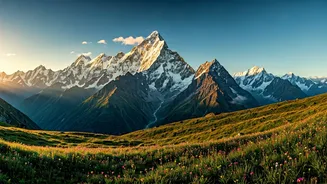
From late April to the end of June, the Kullu Valley, where Manali sits, is at its most inviting. The harsh winter has receded, but the torrential rains of the monsoon (typically July through September) have yet to arrive. This creates a perfect, if brief,
season for outdoor exploration. The weather is stable, the temperatures are pleasant, and the landscape is bursting with life. Most importantly, roads and trails leading to high-altitude destinations are finally clear of snow and accessible. This window is everything for adventurers, as the subsequent monsoon season brings with it landslides, washed-out roads, and dangerously unpredictable conditions that shut down most of the region’s iconic activities.
Soar Above the Solang Valley
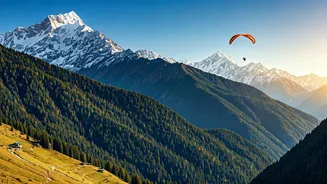
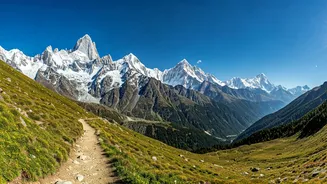
Just a short drive from Manali, the Solang Valley transforms into a playground for paragliders. Running off a mountainside and catching a thermal to soar alongside Himalayan griffons is an experience that borders on spiritual. You get a bird's-eye view of the entire valley, with the snow-capped Dhauladhar and Pir Panjal mountain ranges forming a staggering panorama. The stable air currents of the pre-monsoon season make for ideal flying conditions. Once the monsoon winds kick in, the weather becomes far too turbulent and unpredictable, grounding flights for months. This is your chance to fly high and see the Himalayas from a perspective few ever do.
Conquer the Beas River Rapids
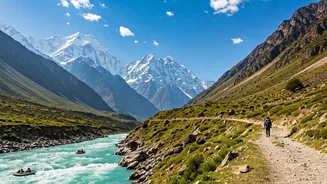
Fed by melting glaciers, the Beas River roars through the Kullu Valley, offering some of North India’s best whitewater rafting. In May and June, the water level is high and fast, but manageable, creating thrilling Class II and III rapids perfect for both beginners and seasoned rafters. You’ll paddle through churning whitewater, splash through icy waves, and float through serene stretches with breathtaking views of the surrounding forests and mountainsides. During the monsoon, however, the Beas transforms into a raging, debris-filled torrent, making rafting impossible. The pre-monsoon flow provides the perfect balance of thrill and relative safety.
Trek to Alpine Lakes and Meadows
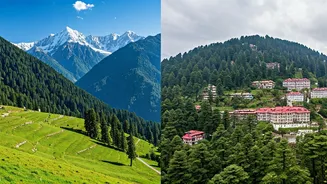
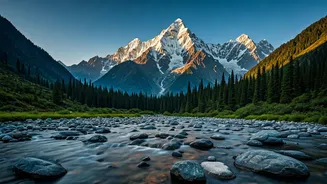
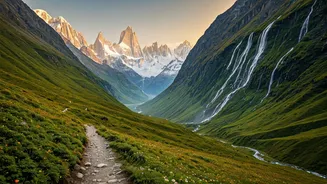
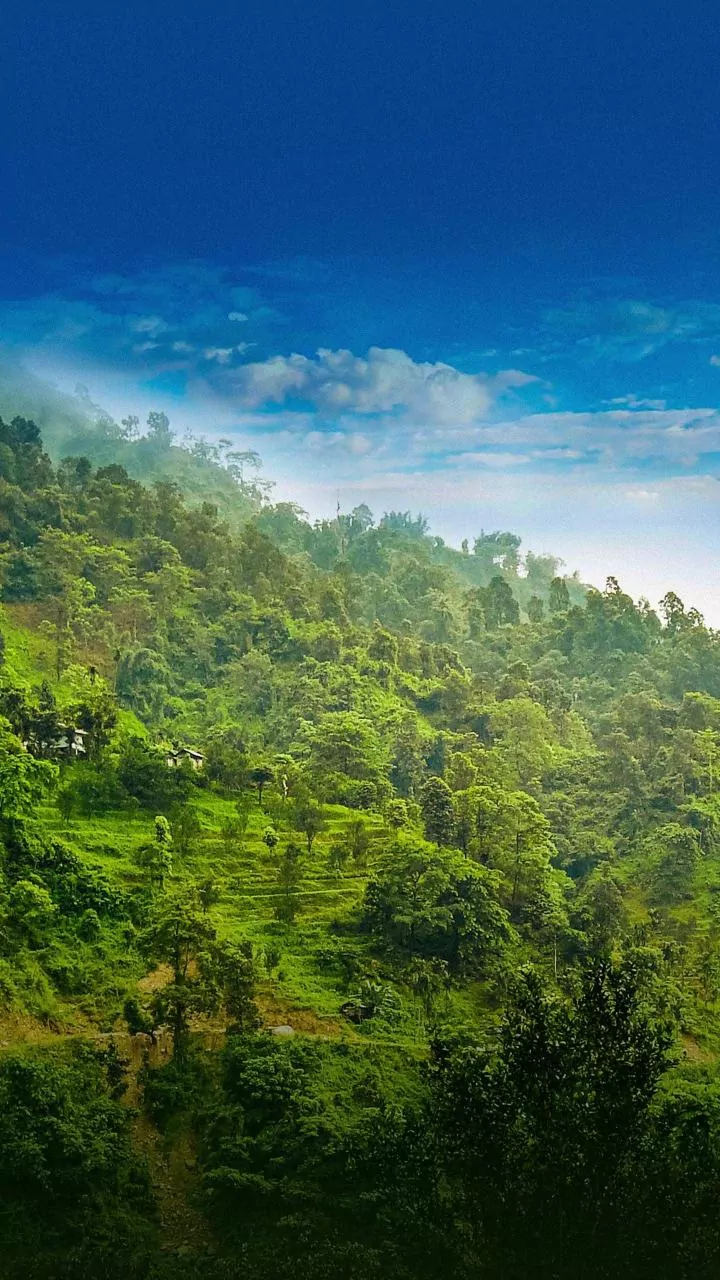
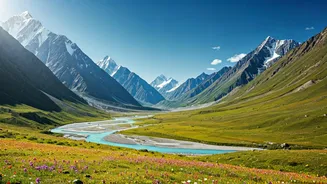
This season is prime time for trekking. The snow has melted from lower-altitude trails, revealing paths carpeted with wildflowers. Treks like the Beas Kund trek (to the source of the Beas River) or the Bhrigu Lake trek (a stunning high-altitude alpine lake) become accessible. You can hike through dense forests of pine and deodar, cross flower-filled meadows, and camp under a canopy of brilliant stars without the constant threat of a downpour. The trails are firm, the views are clear, and the streams are crossable. Come July, these same paths can become treacherous mudslides, and the beautiful views are often obscured by thick clouds.
Race to the Rohtang Pass
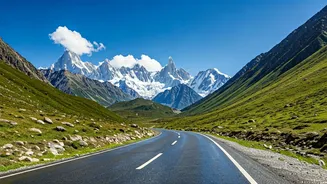
For many, the journey to Rohtang Pass is a non-negotiable part of any trip to Manali. This high-altitude pass, sitting at over 13,000 feet, connects the Kullu Valley with the remote, arid Lahaul and Spiti Valleys. Snowbound for most of the year, it typically opens to traffic in late May or early June. Driving up the winding road, you’re flanked by towering walls of snow, sometimes dozens of feet high, creating a surreal icy corridor. Reaching the top offers otherworldly views and the chance to play in the summer snow. But it's a race against the clock—the pass is one of the first places to become treacherous when the monsoon begins.
The Vibe of Old Manali
Adventure is only half the story. Manali itself is a destination. After a day of adrenaline, the winding lanes of Old Manali offer a bohemian vibe that feels worlds away from the bustle of the main town. Here, you can unwind in riverside cafes, listen to live music, and swap stories with travelers from around the globe. The air is filled with the scent of pine and incense from the ancient Hadimba Temple, a wooden pagoda-style structure dedicated to a local deity. This blend of high-octane thrills and laid-back mountain culture is what makes Manali’s pre-monsoon appeal so complete.