





More Than Just a Ranking
Let’s start with the scorecard. Every year, the Henley Passport Index ranks the world’s passports by the number of destinations their holders can access without a prior visa. While India isn't yet in the top tier alongside Japan or Germany, its progress
tells a compelling story. The country has steadily climbed the ranks, with its visa-free score jumping from around 50 countries a decade ago to over 60 today. But the real story isn’t just the raw number; it's the *quality* and *strategic nature* of the access. The headline’s claim of “respect” is less about being at the top of the list and more about the deliberate, successful diplomatic efforts that are making travel easier to key regions, reflecting India's growing influence.
The Power of Strategic Partnerships
The phrase “Bilateral Triumphs” in the headline is spot on. India's Ministry of External Affairs has been playing a long game, negotiating a web of agreements focused on mobility and migration. For instance, recent pacts with developed nations like Germany and Australia are designed to streamline access for Indian students and skilled professionals. These aren't just simple tourist visa waivers; they are comprehensive frameworks that recognize the value Indian talent brings to the global economy. Similarly, countries in Southeast Asia, the Middle East, and even parts of Africa have either introduced e-visas or visa-on-arrival facilities for Indians, recognizing them as a crucial source of tourism revenue and business investment. Each agreement is a diplomatic win that adds another stamp of approval to the passport.
An Economic and Demographic Juggernaut
Diplomacy doesn't happen in a vacuum. The world is rolling out the welcome mat for Indian passport holders because India is an economic powerhouse in the making. As the world’s most populous nation with a fast-growing middle class, India represents a massive market for tourism, education, and business. A country like Thailand, which recently granted visa-free entry, isn't just being friendly; it's making a calculated economic decision to attract a slice of the millions of Indians who travel abroad annually. Furthermore, the influential Indian diaspora, one of the largest and most successful in the world, acts as a powerful bridge, fostering goodwill and creating a positive feedback loop that encourages host countries to ease travel restrictions.
Navigating a Multipolar World
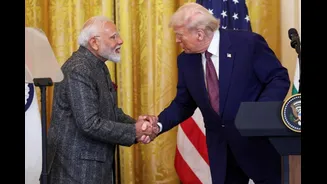
In an era of geopolitical tension, India has successfully carved out a unique role for itself. By practicing a policy of “multi-alignment,” it maintains strong relationships with competing global powers. It’s a key member of the Quad with the U.S., Japan, and Australia, a strategic partner to France, and a historic friend to Russia. It also leads in forums like the G20 and the Global South. This ability to be a friend to many and an enemy to none makes India a stable, predictable, and attractive partner. This geopolitical goodwill translates directly into soft power, and a stronger passport is one of the most tangible rewards. When a country is seen as a reliable pillar of the international system, other nations are more willing to open their doors to its citizens.