


More Than Just Birdseed
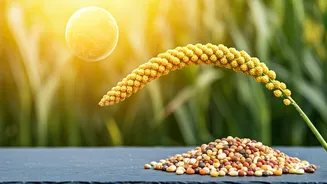
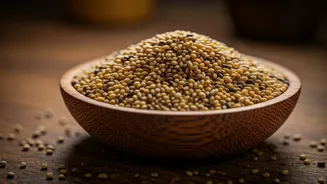
For many Americans, the word “millet” conjures up one image: a spray of tiny, pale seeds hanging in a parakeet's cage. But dismissing millet as mere bird food is like calling a cow a household pet. In reality, “millet” is a catch-all term for a group
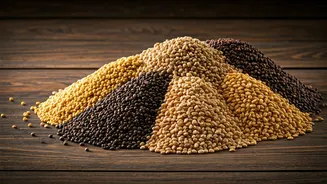
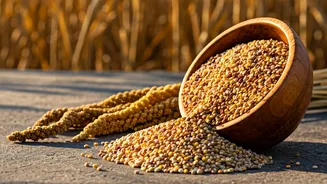
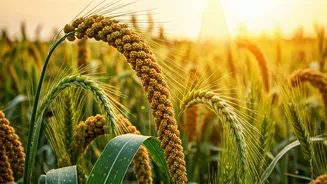
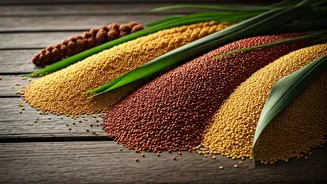
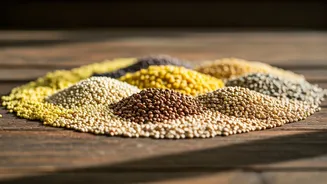
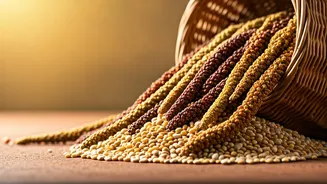
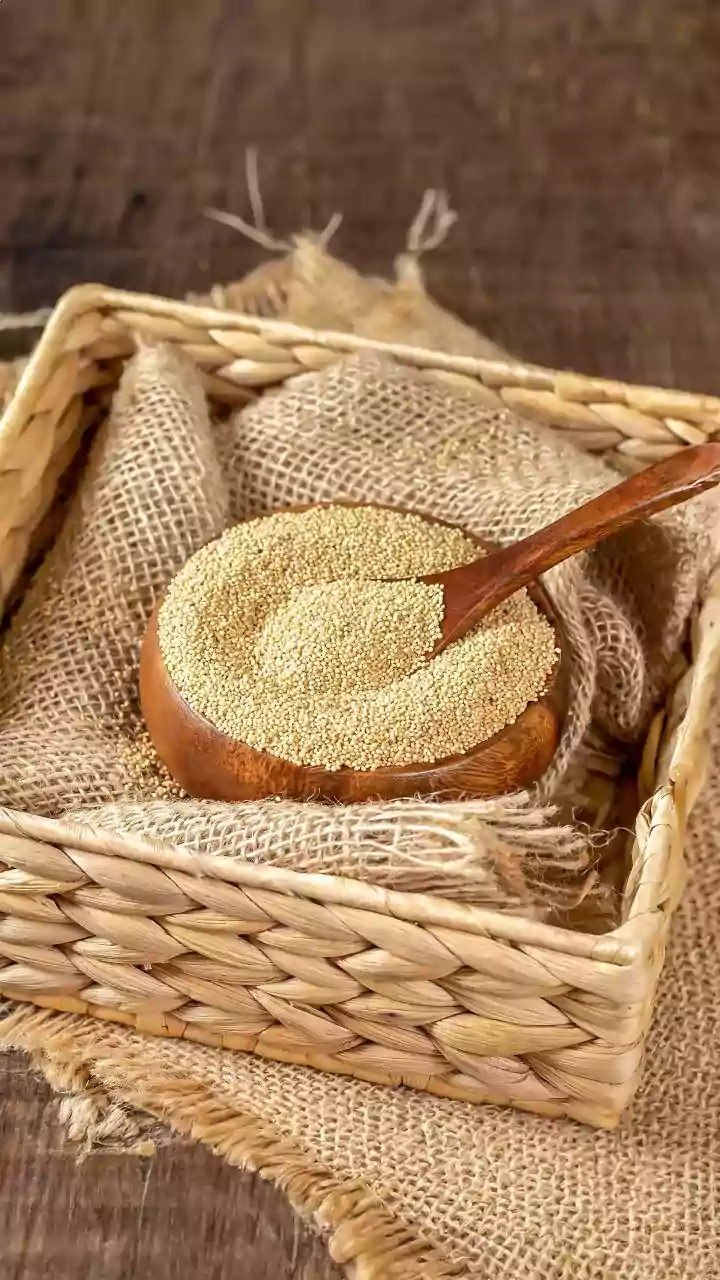
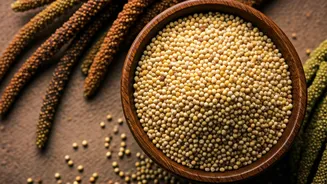
of small-seeded, hardy cereal grasses that have been a staple food for hundreds of millions of people across Africa and Asia for nearly 10,000 years. This diverse family includes varieties like pearl millet, the most widely grown; foxtail millet, common in Asia; and fonio, a West African variety so prized for its nutty flavor and rapid growth that it's sometimes called “the seed of the universe.” These grains are not a monolith. They come in various colors, textures, and flavors, and can be cooked into everything from fluffy couscous-like side dishes and creamy porridges to flatbreads and even beer.
The Climate-Resilient Super Grain
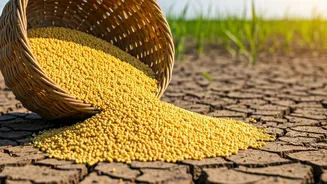
So what makes these ancient grains so “climate-smart”? It boils down to toughness. Millets are what scientists call C4 plants, a group that includes corn and sugarcane, which are highly efficient at converting sunlight into energy, especially in high-heat, low-water conditions. Unlike today's dominant global crops—wheat, corn, and rice—most millet varieties are naturally drought-resistant and can thrive in poor, infertile soil without the need for expensive synthetic fertilizers. Many have short growing seasons, some maturing in as little as 60 days, allowing farmers in arid regions to get a reliable harvest even with unpredictable rainfall. This resilience is a game-changer. While a sudden drought can decimate a field of corn, a neighboring field of pearl millet often remains standing, ready to feed a family or community. They are, in essence, the original low-input, high-resilience crop, tailor-made for an era of climate uncertainty.
A Story of Agricultural Neglect
If millets are so great, why are they only now making a comeback? The answer lies in the agricultural shifts of the 20th century. The Green Revolution, which began in the 1960s, focused on developing high-yield varieties of wheat and rice to combat global hunger. It was a massive success in many ways, but it came with a hidden cost. The new “miracle” crops required significant water, fertilizers, and pesticides, and government policies and market forces around the world began to favor these resource-intensive monocultures. Farmers were incentivized to abandon diverse, locally adapted crops like millets in favor of the more profitable, globally traded commodities. Millets became stigmatized as “poor people’s food,” and generations of agricultural research and investment ignored them, pushing these resilient grains to the fringes of the global food system.
The Great Millet Comeback
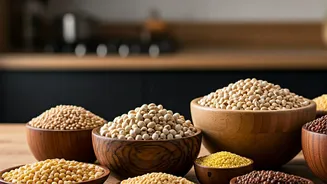
Today, the tide is turning. The very climate instability that threatens our food supply is driving millet's resurgence. The United Nations declared 2023 the International Year of Millets to raise awareness of their nutritional and environmental benefits. Farmers in places like Nebraska and Colorado are experimenting with proso millet as a rotation crop that requires less water than corn. Chefs and food innovators are embracing millets for their unique flavors, nutritional punch (they're often high in protein, fiber, and micronutrients), and gluten-free properties. You can now find millet in puffed snack foods, alternative flours, plant-based milks, and on the menus of high-end restaurants. This revival isn't just a foodie trend; it's a recognition that building a sustainable food future requires looking to the past and embracing the diversity that industrial agriculture left behind.