


Beyond Decoration: The Biophilic Effect
There’s a reason a walk in the woods feels restorative and a day at the beach melts stress away. Humans have an innate tendency to seek connections with nature, a concept known as biophilia. When applied to interior design, this isn’t just about aesthetics;
it’s about creating environments that genuinely improve our well-being. Biophilic design leverages natural materials, light, and vegetation to reduce stress, enhance creativity, and create a clearer, more comfortable state of mind. Using wood, stone, and plants isn't a fleeting trend but a timeless strategy for making a house feel more like a home—a refuge that calms and restores us on a subconscious level. These elements remind our brains of the natural world, triggering a sense of safety and serenity that synthetic materials often can't replicate.
The Enduring Warmth of Wood
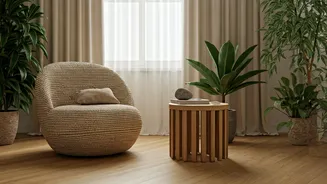
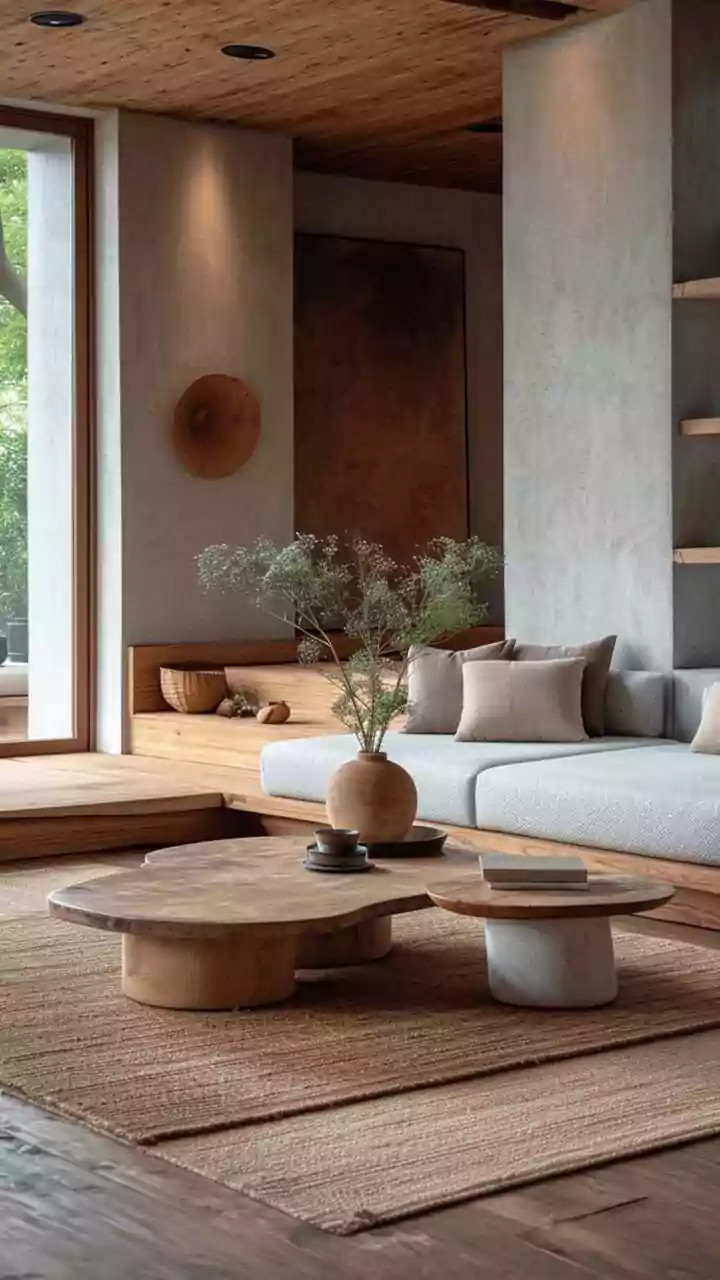
Wood is perhaps the most fundamental element of organic design, bringing instant warmth and character to any space. Its appeal lies in its visual and tactile variety. The smooth, polished surface of a maple dining table feels different from the rustic, reclaimed grain of a pine mantelpiece, yet both connect us to the story of a living tree. Introducing wood can be as simple as adding a set of acacia wood salad bowls to your kitchen or as transformative as installing wide-plank oak flooring. Look for opportunities to showcase its natural beauty: a live-edge coffee table, a solid teak armchair, or even simple wooden picture frames. The key is to let the grain and imperfections shine through. Unlike plastic or laminate, wood ages with grace, developing a patina that adds to its story and your home’s character.
The Grounding Power of Stone
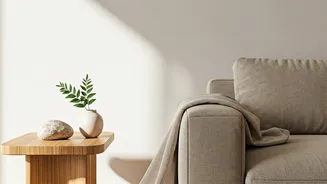
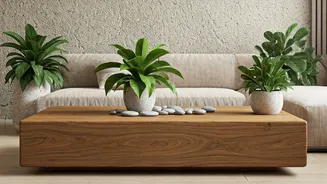
If wood provides warmth, stone offers a sense of permanence and stability. It’s a grounding element that can make a room feel solid, cool, and connected to the earth. While a marble countertop or a slate-tiled entryway are classic, dramatic uses, stone can be incorporated in much more accessible ways. Consider a collection of smooth river rocks in a glass vase, a heavy granite mortar and pestle on the kitchen counter, or a set of travertine coasters on your end table. These small touches provide a cool, textured contrast to softer elements like upholstery and wood. The natural variations in color and veining mean that no two pieces are exactly alike, adding a unique, sophisticated touch. Stone’s coolness can be particularly welcome in warmer climates, providing a psychological and literal sense of relief.
The Vitality of Living Plants
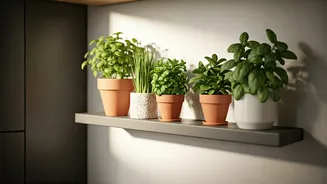
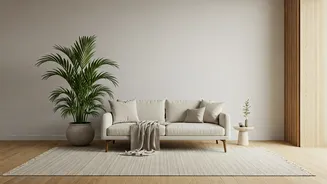
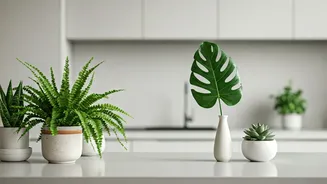
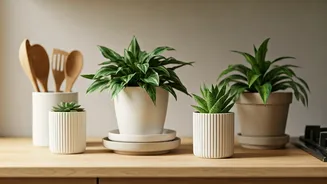
Nothing brings life into a home quite like actual, living plants. They are the most direct way to incorporate nature indoors, actively purifying the air and adding a dynamic, ever-changing element to your decor. The benefits go beyond air quality; the act of caring for plants—watering, pruning, watching them grow—can be a mindful, stress-reducing ritual. Start with easy-care varieties like snake plants, ZZ plants, or pothos, which are famously forgiving. Think about placement and scale. A large fiddle-leaf fig can become a dramatic focal point in a living room corner, while a trailing string of pearls can soften the hard lines of a bookshelf. A small collection of succulents on a windowsill or fresh herbs in the kitchen adds life and utility. Plants bring movement, color, and a direct connection to the cycles of nature right into your living space.
Tying the Elements Together
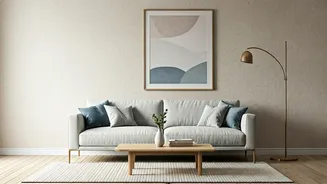
The magic of organic comfort lies in the interplay between these elements. A room with only wood can feel like a cabin; a room with only stone can feel cold and stark. The goal is balance. Pair a rough-hewn wooden table with smooth ceramic planters. Place a lush, leafy fern on a slate-topped side table. Let a soft, wool rug soften the space between a leather couch and a stone hearth. The idea is to create a rich sensory experience through varied textures and materials. Don't be afraid to mix and match. A modern, minimalist space can be warmed instantly with a single live-edge bench and a few potted plants, proving that you don’t need to live in a forest to feel its calming influence.