


Embrace Root-to-Stem Eating
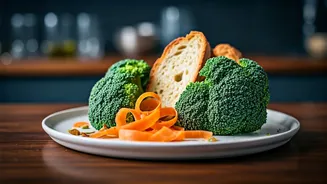
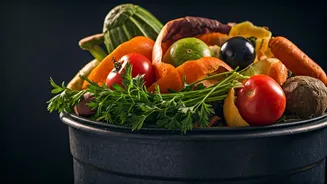
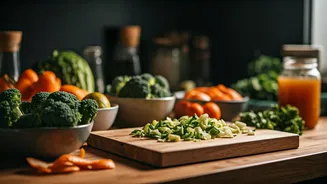
Think before you toss that vegetable scrap into the compost bin. Many parts of plants we habitually discard are perfectly edible and delicious. Broccoli stalks, for instance, can be peeled and sliced for a stir-fry or puréed into soup, offering a texture
similar to kohlrabi. Carrot tops can be blitzed into a vibrant, peppery pesto. Even the tough outer leaves of cabbage can be used to wrap other foods for steaming. This “root-to-stem” or “nose-to-tail” (for meat) philosophy isn’t about deprivation; it’s about discovering new flavors and textures you’ve already paid for. It forces a level of creativity that can break you out of a cooking rut and doubles the value you get from every single purchase.
Reinvent Your Leftovers, Don't Just Reheat Them
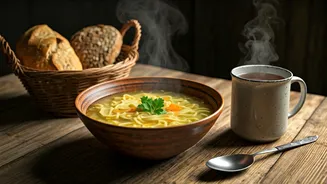
The word “leftovers” often conjures an image of a sad, microwaved plate from the night before. It’s time for a rebrand. Think of leftovers as pre-prepped ingredients for your next meal. That leftover roasted chicken can become the star of tacos, a hearty salad, or a quick chicken noodle soup. A scoop of leftover rice can be transformed into crispy fried rice with a few eggs and frozen veggies. Extra roasted vegetables can be blended into a creamy soup or tucked inside an omelet. By viewing leftovers as a strategic head start, you not only avoid food waste but also save significant time on weeknight cooking. It’s the ultimate two-for-one kitchen victory.
Master the Art of the 'Scrap Stock'
A rich, flavorful broth is the backbone of countless recipes, from soups and stews to risottos and sauces. Instead of buying it in a carton, you can make a superior version for free. Keep a large, resealable bag in your freezer labeled “Stock Scraps.” Into this bag go your clean onion peels (they add amazing color!), carrot peels, celery ends, mushroom stems, parsley stems, and corn cobs. When the bag is full, dump the contents into a large pot, cover with water, and simmer for a few hours. Strain the liquid, and you have a delicious, nutrient-rich stock. For a meat version, do the same with leftover chicken carcasses or beef bones. It’s a simple, passive way to extract every last bit of flavor and nutrition from your ingredients.
Turn Stale Bread into a Star Ingredient
In the United States, bread is one of the most commonly wasted food items. But a loaf that’s a day or two past its prime is not a lost cause—it's an opportunity. Cut stale bread into cubes, toss with olive oil and seasonings, and toast in the oven for homemade croutons that blow the store-bought kind away. For an even easier path, blitz dry bread in a food processor to make breadcrumbs for coating chicken or topping a casserole. Or go the classic route and use it for a hearty panzanella salad, a rich French onion soup, or a decadent bread pudding. Old bread has a purpose; you just have to know how to unlock it.
Get Strategic with Shopping and Storage
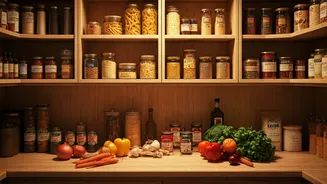
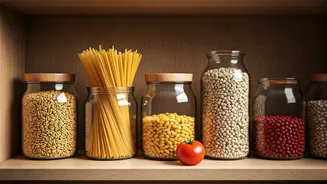
The most effective way to reduce waste is to not create it in the first place. This starts at the grocery store. Before you go, take a quick inventory of your fridge, freezer, and pantry. Plan a few meals for the week based on what you already have, and then make a list for only the items you need to complete those meals. This prevents impulse buys and the classic mistake of buying a second jar of mustard when you already have three. Once you’re home, proper storage is key. Learn what goes in the fridge (like apples) and what stays on the counter (like tomatoes). Store fresh herbs like a bouquet of flowers in a jar of water. A few minutes of planning and proper storage can save hundreds of dollars and pounds of food over a year.