

1. Think Beyond Just Plants
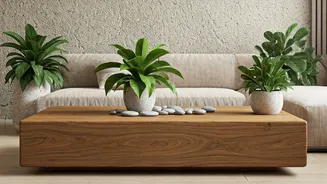
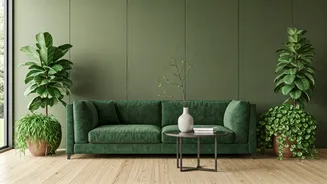
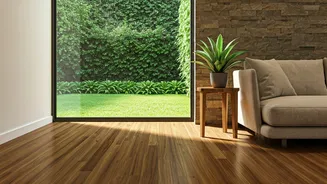
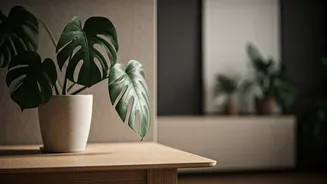
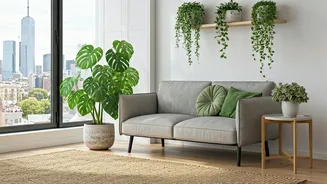
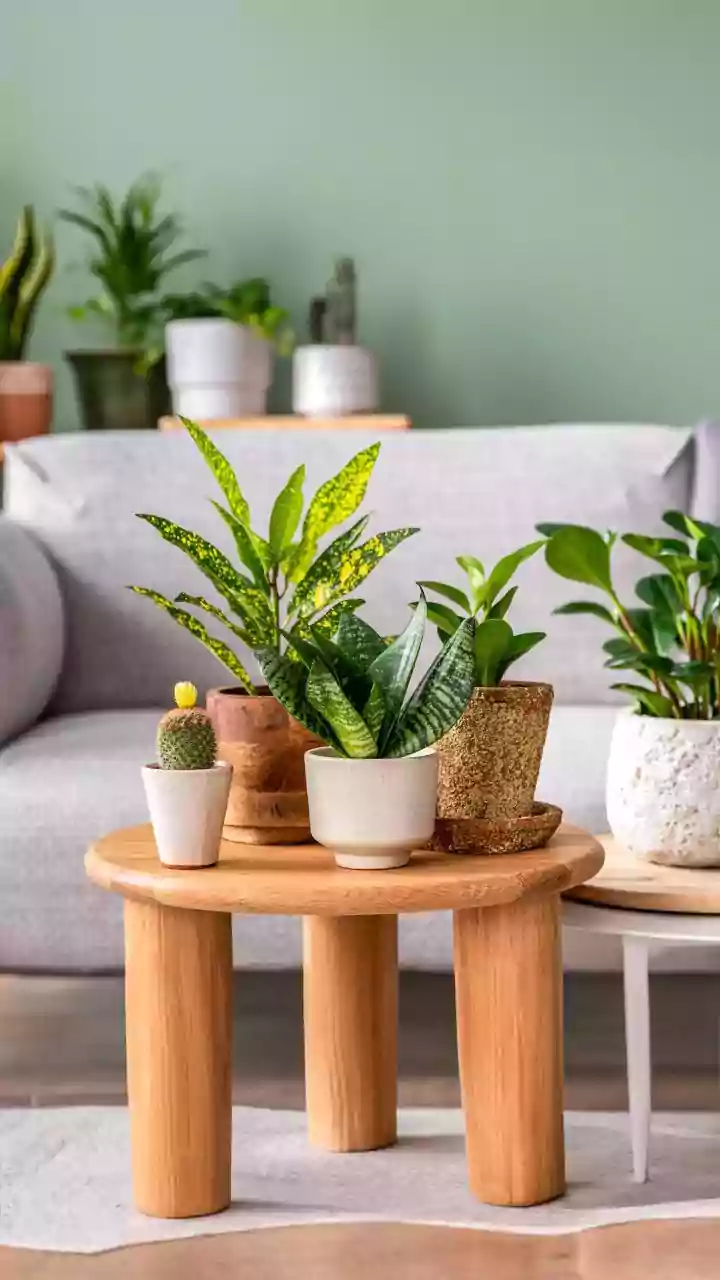
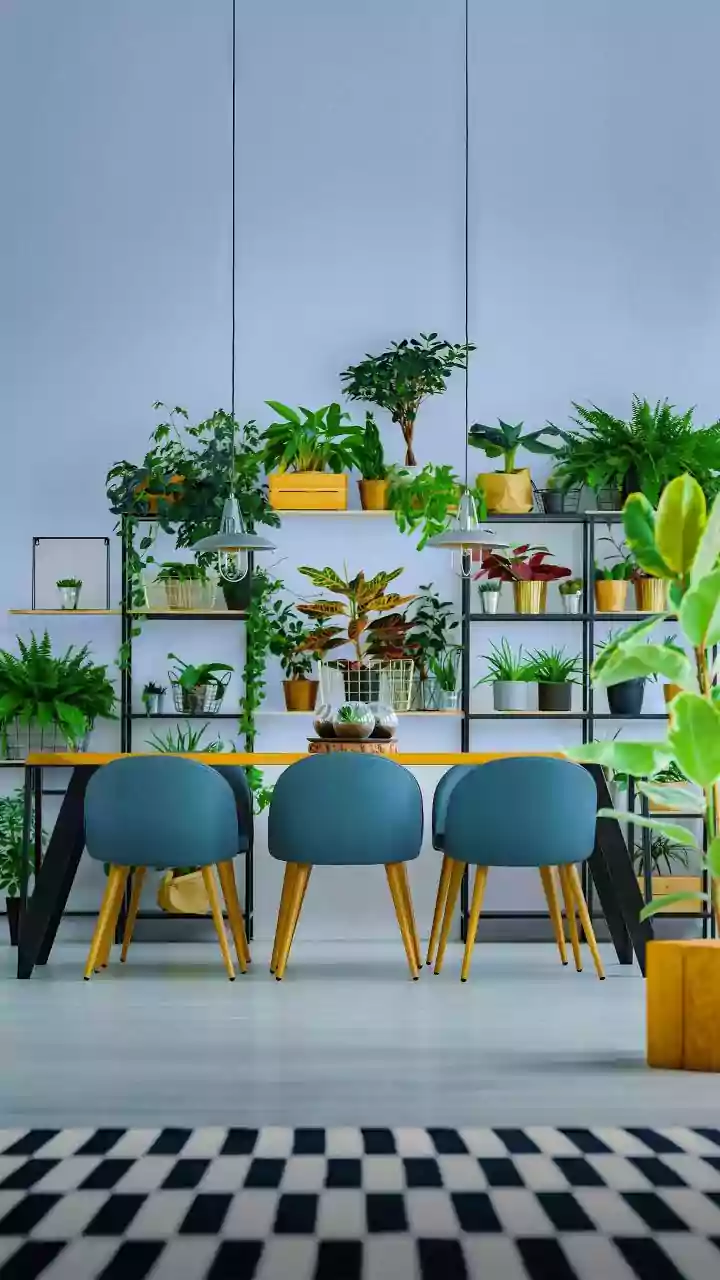
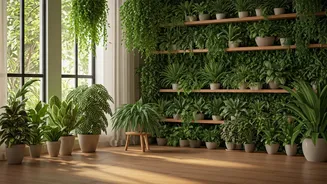
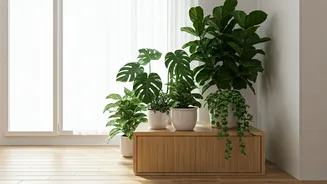
A few potted plants are a great start, but creating a truly natural vibe is about biophilic design—the practice of connecting people and nature within our built environments. Instead of a single, lonely succulent, think in layers. Group plants of varying
sizes and leaf textures in a corner to create a mini-forest effect. Use hanging planters to draw the eye upward and create vertical greenery. Consider low-maintenance options like snake plants, ZZ plants, or pothos that thrive even with neglect. The goal isn’t just to own plants; it’s to use them as living architectural elements that clean the air and soothe the soul.
2. Embrace the Earth's Palette
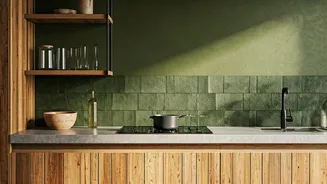
Color is the fastest way to transform a space. When we say 'green,' it's easy to picture a jarring lime or a generic kelly green. Instead, look to the subtle, complex greens found in nature. A muted sage green on an accent wall can make a room feel larger and more serene. A deep olive on kitchen cabinets adds a touch of sophisticated, organic warmth. Mossy greens and gray-greens are perfect for furniture upholstery or bedding. These colors pair beautifully with neutral tones like beige, cream, and charcoal, allowing the green to act as a calming focal point rather than an overwhelming statement.
3. Weave in Natural Textures
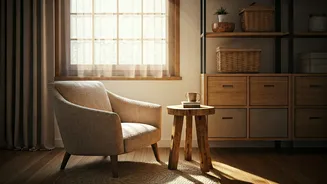
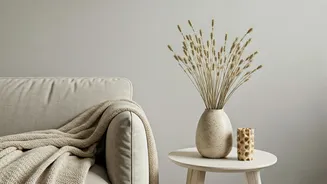
A concrete jungle is defined by hard, smooth surfaces. To counteract this, introduce a rich variety of natural textures. A chunky jute or sisal rug instantly grounds a room with an earthy foundation. Swap synthetic pillow covers for ones made of linen, cotton, or wool in shades of forest green or ochre. A soft, chunky-knit throw blanket draped over a sofa invites you to curl up. Even small details, like woven placemats on a dining table or wicker storage baskets, break up the monotony of manufactured surfaces and add a tactile, handmade quality that feels inherently natural.
4. Incorporate Raw Materials
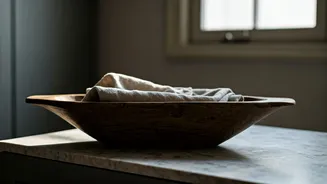
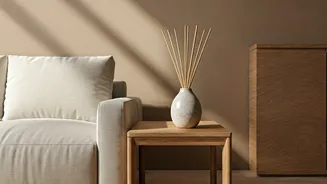
Look for opportunities to bring in materials that feel minimally processed. A live-edge wood coffee table, a smooth stone serving platter, or a simple ceramic vase all carry the fingerprint of the natural world. Rattan and bamboo are excellent choices for light fixtures, chairs, or decorative screens, adding a breezy, organic feel without weighing down the space. These materials don't just look natural; they connect us to the world outside our walls. The subtle imperfections—the grain in a piece of wood, the slight unevenness of a ceramic pot—are what make them feel authentic and alive.
5. Curate Art and Decor with Intention
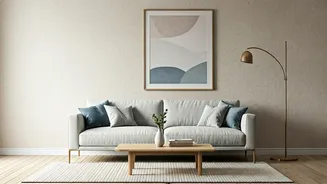
If you're not ready to commit to a green wall, you can still create a window to the wild through art. A large-scale landscape photograph can serve as a stunning focal point, offering a view you might not have outside your actual window. A gallery wall of vintage botanical prints adds a classic, scientific charm. Look for decor that mimics natural forms: coasters made from agate slices, driftwood sculptures, or bowls filled with moss or river stones. These small, intentional choices reinforce the theme and add layers of interest, making your home feel like a carefully curated personal sanctuary.