







From Medical Device to Wellness Gadget
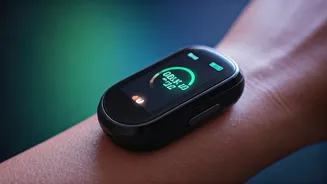
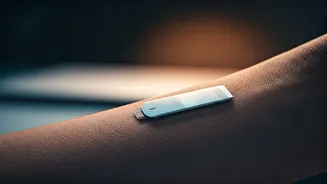
A continuous glucose monitor, or CGM, is a small, wearable sensor that tracks your blood sugar levels in real-time. A tiny filament sits just under the skin, usually on the back of the arm, sending a constant stream of data to a smartphone app. For millions
of people with diabetes, this technology is a life-changing tool that helps them manage insulin and avoid dangerous highs and lows. But what happens when a medical device goes mainstream? In the U.S., you might see elite athletes or Silicon Valley CEOs experimenting with CGMs. But a surprisingly vibrant and fast-growing user base has emerged among young, non-diabetic professionals in India, who see glucose not as a marker of disease, but as a key to unlocking peak performance.
The Goal: Hacking Your Metabolism
For this new wave of users, the goal isn't managing a chronic illness; it's optimization. They are 'biohackers'—part of a global 'quantified self' movement that uses data to improve personal health and well-being. By tracking how their blood sugar responds to food, exercise, stress, and sleep, they believe they can fine-tune their bodies for maximum efficiency. They want to eliminate post-lunch energy crashes, sharpen their mental focus for long coding sessions, and optimize their workouts. A plate of white rice might cause a sharp glucose spike and a subsequent energy slump for one person, while another can handle it just fine. The CGM offers this personalized, immediate feedback. It turns diet and lifestyle into a live experiment where you are the sole test subject.
India's Tech Hubs as a Proving Ground
This trend is particularly concentrated in India’s bustling tech centers like Bangalore, often called the 'Silicon Valley of India.' Here, a young, ambitious, and increasingly affluent workforce is deeply immersed in a culture of data and optimization. The pressures of a competitive tech career create a strong incentive to maximize productivity. Furthermore, local startups like Ultrahuman have made CGMs more accessible, bundling the hardware with sophisticated apps that provide metabolic scores, diet recommendations, and performance insights. This has lowered the barrier to entry, turning a niche medical device into an aspirational wellness product for a generation that grew up with fitness trackers and sees self-measurement as a natural path to self-improvement.
More Data, More Problems?
While enthusiasts rave about the insights they gain, the medical community remains cautiously skeptical about the widespread use of CGMs by healthy individuals. Some doctors argue that minor glucose fluctuations are normal and that fixating on them can lead to unnecessary anxiety or even disordered eating patterns. Without a trained endocrinologist to interpret the data, users might draw incorrect conclusions, demonizing perfectly healthy foods like fruit because they cause a temporary glucose rise. The data from a CGM is powerful, but it’s complex. Critics worry that biohackers are chasing a level of 'optimization' that the human body isn’t designed for, turning the normal rhythms of life into problems to be solved with more technology and more data.