






The Power of a Secret Ingredient
For generations, the backbone of Desi cooking—the rich, complex flavors of Indian, Pakistani, and Bangladeshi cuisines—has been built on a masterful blend of spices, aromatics like ginger and garlic, and techniques passed down through families. But what
happens when you introduce an unexpected element? Not a replacement, but an enhancement. Enter miso and yuzu, two Japanese pantry staples that are finding a surprisingly harmonious home alongside turmeric, cumin, and garam masala. This isn't about fusion for fusion's sake; it's about using new tools to unlock deeper, more exciting dimensions in the dishes you already know and love.
Miso: The Umami Bomb Your Dal Needs
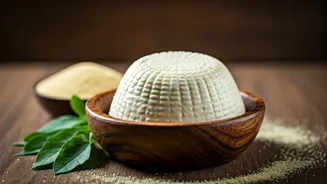
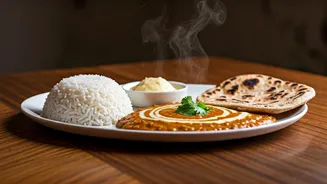
Miso, a fermented soybean paste, is the quintessential source of 'umami,' the savory fifth taste that makes food deeply satisfying. While Desi cooking is rich in flavor, it often builds savoriness through slow-cooked onions, tomatoes, or meats. Miso offers a powerful, convenient shortcut to that same depth. Think of it as a complex, savory salt. A spoonful of mellow white miso (shiro miso) whisked into a pot of dal or a lentil soup can add a creamy, savory background note that enhances the earthiness of the pulses without overpowering the traditional tadka (tempered spices). It brings a richness that would otherwise take hours to develop, making your weekday dal taste like a weekend project.
Beyond Dal: Miso's Versatility
The applications for miso in a Desi kitchen are boundless. Try mixing it with yogurt, ginger, and garlic to create a phenomenal marinade for chicken tikka or paneer. The miso not only seasons the protein but also helps tenderize it, resulting in exceptionally moist and flavorful kebabs. You can also create a 'miso-butter' by whipping softened butter with a touch of miso paste. Spread this on hot roti, naan, or even a piece of toast topped with a fried egg and a sprinkle of chili flakes. It's a simple move that adds an astonishing layer of savory complexity to a humble staple. In vegetable dishes (sabzis), a little miso can amplify the natural sweetness of carrots, squash, or eggplant, balancing the heat from chilies.
Yuzu: The Aromatic Citrus Kick
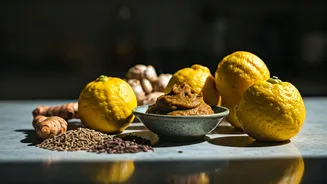
If miso is the savory foundation, yuzu is the bright, aromatic flourish. This Japanese citrus is prized for its incredibly fragrant zest and unique juice, which tastes like a sophisticated blend of grapefruit, lemon, and mandarin orange. In Desi cuisine, lime and lemon are the go-to acidic elements, used to cut through richness and add a final burst of freshness. Yuzu does the same job but brings an entirely new aromatic profile to the party. Its floral, zesty notes are more complex than a standard lemon, adding a layer of perfume to the dish that is both surprising and delightful.
How to Use Yuzu's Brightness
The easiest way to start is with bottled yuzu juice, which is widely available in Asian markets and online. A splash in a simple raita (yogurt dip) transforms it instantly. Use it in place of lemon juice in marinades for fish or chicken to add a fragrant twist. A few drops drizzled over a finished biryani or pulao just before serving can lift the entire dish. You can also use it to make a quick, refreshing drink by mixing it with sparkling water and a touch of sugar. For chutneys, yuzu provides both the necessary acid and a complex citrus flavor that pairs beautifully with mint, cilantro, and green chilies. If you can find fresh yuzu, its zest is liquid gold; a little goes a long way in flavoring everything from rice to roasted vegetables.