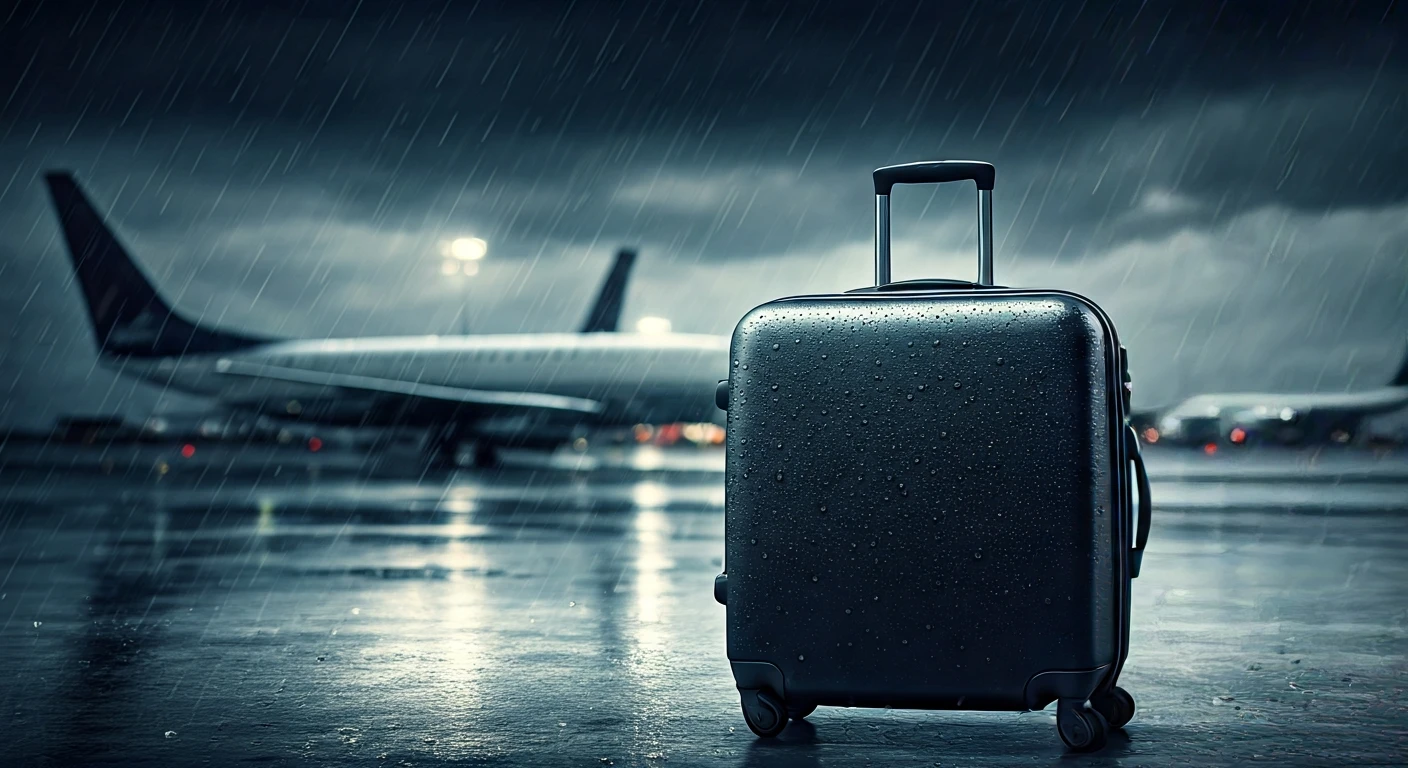






The Forecast Anxiety Is Real
It used to be that a vacation was a commitment. You booked it months in advance, and unless a hurricane was bearing down, you went. A little rain was just part of the deal; you’d pack a deck of cards and find a cozy bar. But that was before we had supercomputers
in our pockets providing 10-day, hour-by-hour meteorological predictions with push-notification urgency. Today, the pre-trip ritual involves obsessively refreshing the weather app. This constant stream of information has created a new form of travel anxiety. The promise of a ‘perfect’ trip, amplified by social media, clashes with the volatile reality of a 40% chance of showers. We’re not just hoping for good weather; we’re now equipped with the data to demand it. This shift from passive hope to active monitoring has empowered travelers to make last-minute judgment calls, turning a once-unthinkable cancellation into a logical decision to avoid a 'wasted' trip.
Not All Vacations Are Created Equal
This trend isn’t affecting every type of travel uniformly. A week of rain might be a minor inconvenience for a trip to Paris, London, or New York, where museums, theaters, and world-class restaurants offer plenty of indoor shelter. But for destinations built almost entirely around the sun and sea—think the Florida Keys, a Caribbean resort, or a Hawaiian beach—a dreary forecast can feel like a fatal blow to the entire premise of the vacation. Why spend thousands of dollars to watch gray waves from a hotel window? Outdoor adventure trips are similarly vulnerable. A weekend planned around hiking in a national park or skiing fresh powder loses its appeal entirely under the threat of torrential rain or, conversely, a sudden thaw. As a result, travelers are becoming more strategic, scrutinizing weather patterns not just for safety but for quality of experience. A forecast that merely dampens a city break could completely scuttle an activity-based one.
The Rise of 'Cancel for Any Reason'
The travel industry’s post-pandemic pivot to flexibility has inadvertently fueled this weather-watching behavior. For years, non-refundable rates were the norm. Today, flexible booking options and “Cancel for Any Reason” (CFAR) travel insurance add-ons have become powerful enablers. Once a niche product, CFAR insurance allows travelers to recoup a significant portion of their non-refundable expenses for, well, any reason at all—including a bad weather forecast. This creates a new financial calculus. If a traveler can cancel their beach-front rental and get 75% of their money back, the decision to scrap a rainy trip becomes far less painful. It transforms the forecast from an unfortunate circumstance into a valid data point for a cost-benefit analysis. The growth of last-minute booking sites also plays a role, giving would-be travelers the confidence that if they cancel one trip, they can easily pivot to another destination with a sunnier outlook.
How the Travel Industry Is Adapting
Smart travel providers are no longer fighting this trend; they’re leaning into it. Hotels in seasonal destinations have started offering “bad weather guarantees,” providing discounts or resort credits for days when it rains. Others are beefing up their indoor amenities, promoting spa services, cooking classes, and gourmet dining as compelling reasons to stay, regardless of the weather. Destinations are also getting creative. Instead of just selling sunshine, they’re marketing a more holistic experience. A coastal town might highlight its cozy pubs, antique shops, and independent cinemas as perfect rainy-day alternatives. The message is shifting from “Our weather is perfect” to “Our destination is perfect, even when the weather isn’t.” This proactive approach acknowledges the new power of the forecast while trying to keep the traveler’s business.