





Welcome to India's Backpacker Haven
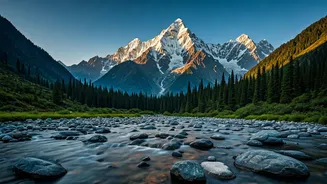
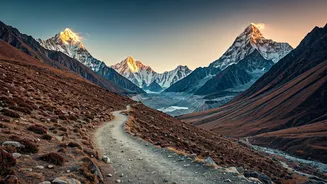
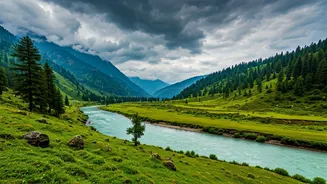
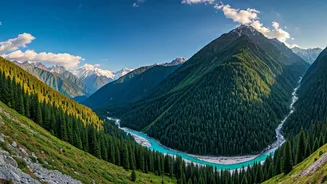
For those unfamiliar, Kasol is a small village nestled along the banks of the Parvati River in the northern Indian state of Himachal Pradesh. For decades, it has been a magnet for international backpackers, trekkers, and spiritual seekers, earning it nicknames
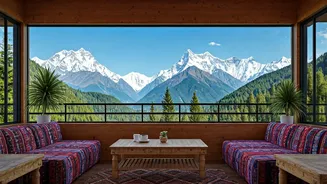
like 'Mini Israel' due to the prevalence of Israeli travelers and Hebrew-signed cafes. But you don't need to be on a gap year to appreciate its charm. The vibe is decidedly 'chill.' Think less of a structured itinerary and more of lazy afternoons spent in riverside cafes, gazing at pine-forested mountains that seem to touch the sky. It's the kind of place where the main agenda is simply to be.
The All-Important Pre-Monsoon Window
The headline's urgency is real. From roughly late May through June, Kasol and the surrounding Parvati Valley exist in a state of near-perfection. The harsh winter snow has melted, revealing lush green landscapes. The days are warm and sunny, perfect for hiking, while the nights remain cool and crisp. This idyllic period is a fleeting gift. By early July, the Indian summer monsoon sweeps into the Himalayas. This isn't just a bit of rain; it's a torrential, weeks-long affair that transforms the region. Roads become treacherous, prone to landslides, and many trekking paths become impassable and dangerous. The once-clear mountain views are obscured by thick clouds, and the entire valley shuts down for serious tourism. This makes the pre-monsoon weeks not just the best time to visit, but for many activities, the only time.
Trek to a Hot Spring in the Clouds
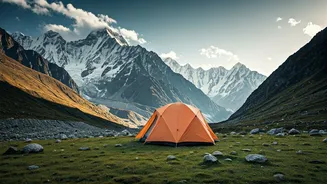
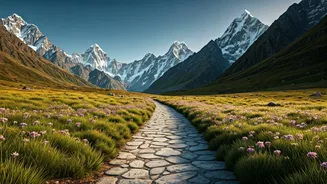
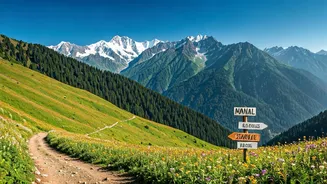
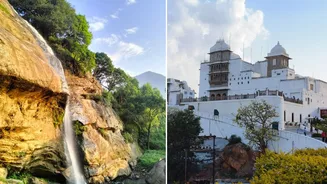
The main draw for active travelers is the network of incredible treks starting from or near Kasol. The most famous is the Kheerganga trek. This moderately challenging 7.5-mile hike takes you through stunning forests, past cascading waterfalls, and into a high-altitude meadow. The ultimate reward? A natural hot spring at the top, where you can soak your weary muscles while gazing at snow-capped peaks. It's a surreal experience that becomes inaccessible once the rains start. For more seasoned hikers, nearby villages like Tosh, Malana, and Grahan offer multi-day treks that lead you deeper into the culture and raw beauty of the Himalayas. These trails are the lifeblood of the valley, and experiencing them in the clear, stable weather of June is a core part of the Kasol experience.
Cafe Hopping and Riverside Contemplation
If high-altitude trekking sounds too intense, Kasol’s other primary activity is deeply rewarding: doing absolutely nothing. The town is lined with quirky, comfortable cafes, many serving a unique blend of Himachali, continental, and Israeli cuisine (shakshouka and falafel are staples). Places like The Evergreen and Moon Dance Cafe are institutions, offering cozy corners to read a book, chat with fellow travelers, or just watch the Parvati River rush by. This is the 'chill' part of the escape. It’s about slowing down, breathing in the clean mountain air, and enjoying simple pleasures. Strolling along the river, crossing rickety wooden bridges, and exploring the narrow lanes of the main town can easily fill a few peaceful days.
Logistics for the American Traveler
Getting to this remote paradise from the U.S. requires a bit of planning. The typical route involves flying into New Delhi's Indira Gandhi International Airport (DEL). From there, you can take a short domestic flight to the nearest airport, Kullu-Manali Airport in Bhuntar (KUU), which is about an hour's drive from Kasol. Taxis are readily available at the airport. Alternatively, for the more budget-conscious, overnight buses run from Delhi to Bhuntar, though the journey is long (12-14 hours). Once in Kasol, everything is walkable, and local taxis can be hired for trips to nearby trek starting points. It's a journey, to be sure, but one that rewards you with an experience far removed from the typical tourist trail.