




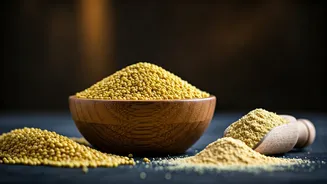
The Power Couple of the Spice Rack
In the dizzying world of wellness trends, it’s rare for something to have both ancient roots and modern scientific backing. Enter turmeric and black pepper. This isn’t a new discovery; it’s a partnership that has been central to Ayurvedic medicine for centuries.
So why the sudden resurgence? In short, we finally have the science to explain the long-observed magic. Nutritionists and researchers are championing this duo not as a miracle cure, but as one of the most effective and accessible natural pairings you can add to your routine. It cuts through the noise of expensive, exotic 'superfoods' by offering potent benefits from two spices you probably already own.
The Science: Why They Need Each Other
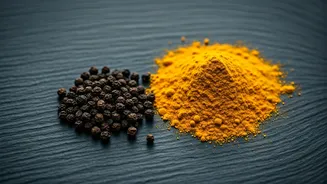
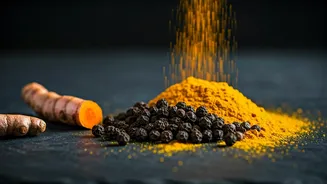
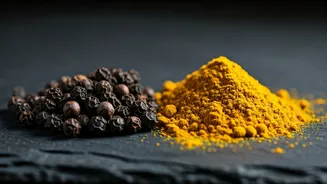
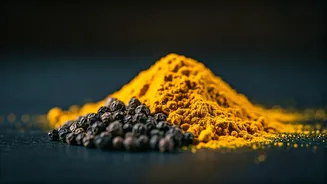
Here’s the simple breakdown. Turmeric’s health-boosting fame comes from its primary active compound, curcumin. Curcumin is a powerful anti-inflammatory and antioxidant. The problem? On its own, the human body is terrible at absorbing it. When you consume turmeric alone, most of the curcumin passes right through your digestive system without providing much benefit. This is where black pepper comes in. Black pepper contains an active compound called piperine. Piperine is the key that unlocks curcumin’s potential. It works by inhibiting certain metabolic processes in your liver and gut wall that would normally break down curcumin before it can be absorbed. Studies have shown that combining curcumin with piperine can increase its bioavailability—the amount that enters your bloodstream—by a staggering 2,000%. Think of piperine as the security guard waving curcumin through a VIP entrance, ensuring it gets to where it can do its job.
The Core Benefit: Taming Inflammation
While you'll hear dozens of claims about turmeric, its most well-researched and supported benefit is its ability to combat chronic inflammation. Low-grade, persistent inflammation is now understood to be a root cause or contributor to many major Western health issues, from joint pain and metabolic syndrome to heart disease. Curcumin works at a molecular level to block inflammatory pathways in the body. For many people, this translates into tangible relief from exercise-induced soreness, arthritic stiffness, and general aches. While not a replacement for medical treatment, incorporating turmeric and pepper can be a powerful tool for managing the body’s inflammatory response as part of a healthy lifestyle.
How to Put It to Work
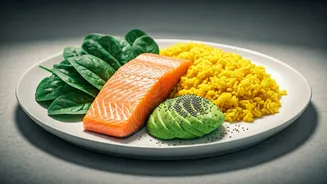
Getting the benefits doesn't require a complicated regimen. The easiest way is through food. Add a generous dash of turmeric and a firm grind of black pepper to soups, stews, roasted vegetables, scrambled eggs, or smoothies. 'Golden milk'—a warm milk (dairy or plant-based) beverage with turmeric, pepper, and other spices like ginger and cinnamon—is a popular and soothing option. Since curcumin is fat-soluble, consuming it with a source of healthy fat (like coconut oil, olive oil, or avocado) can further enhance absorption. If you opt for supplements, look for a formula that explicitly lists piperine or a trademarked black pepper extract like BioPerine to ensure you're getting the synergistic effect.
A Few Words of Caution
While generally safe for most people, this power couple isn't without considerations. High doses of turmeric can cause stomach upset in some individuals. More importantly, because of its effects on the body, it can interact with certain medications. People on blood thinners (like warfarin) or anti-platelet drugs should exercise caution, as turmeric can also have blood-thinning properties. It may also interfere with drugs for reducing stomach acid and diabetes. Those with gallbladder issues, such as gallstones or a bile duct obstruction, are often advised to avoid turmeric supplements, as it can worsen the condition. As with any new supplement, it's always wise to talk with your doctor first, especially if you have underlying health conditions or are taking prescription medications.