





Meet the Tofu-Adjacent Cousin
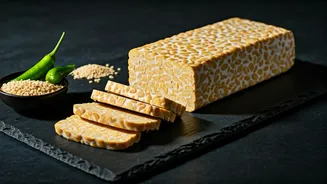
If you’ve walked past tempeh in the refrigerated section, mistaking it for a weird block of nougat, you’re not alone. Unlike tofu, which is made from coagulated soy milk, tempeh is created by fermenting whole soybeans and pressing them into a dense, firm
cake. This process, which originated in Indonesia centuries ago, is the key to its magic. The fermentation not only packs tempeh with probiotics and makes its nutrients more bioavailable, but it also gives the block its signature texture and nutty, slightly earthy flavor. It’s less a blank slate than tofu and more of a pre-seasoned canvas, ready to absorb whatever bold flavors you throw at it. Think of it as tofu’s more worldly, textured, and interesting older sibling.
Why Texture Is the Ultimate Flex
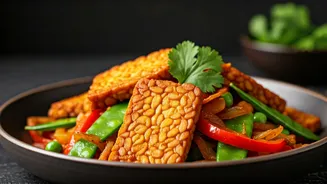
Let’s be honest: the biggest challenge in many plant-based dishes is texture. Mushy veggie burgers and silken tofu that disintegrates in a sauce have their place, but they don’t always deliver a satisfying chew. This is where tempeh truly shines, especially in a stir-fry. When pan-fried, tempeh’s firm structure allows it to develop deeply browned, crispy edges while the inside remains tender and substantial. It doesn’t fall apart or turn to mush when tossed with other vegetables and sauce. Each bite offers a pleasing resistance that feels more akin to meat than many of its plant-based counterparts. This textural integrity means it stands up as a true centerpiece of a dish, providing the kind of satisfying mouthfeel that makes a meal feel complete, not compromised.
The Three-Step Prep for Perfect Tempeh
The secret to unlocking tempeh’s potential lies in a few simple prep steps that many home cooks skip. First, and most importantly, steam it. Many tempeh brands have a slightly bitter note from the fermentation process. A quick 10-minute steam (you can just place the block in a steamer basket over simmering water) mellows that flavor out completely, leaving you with a neutral, nutty base. Second, marinate it. After steaming, the block becomes more porous and ready to soak up flavor like a sponge. A simple mix of soy sauce, rice vinegar, maple syrup, garlic, and ginger works wonders. Let it sit for at least 20 minutes. Finally, get your pan hot. Sear the marinated tempeh cubes or slices in a neutral oil over medium-high heat until golden and crispy on all sides before adding them to your stir-fry at the end. This guarantees maximum flavor and perfect texture.
Building a Better Stir-Fry
Once your tempeh is perfectly prepped, the stir-fry itself is easy. The key is to add the tempeh back into the wok during the final moments of cooking, right when you add your sauce. This prevents it from getting soggy and ensures it retains its glorious crispiness. Because tempeh pairs so well with strong flavors, don’t be shy with your sauce. Think gochujang-based concoctions, spicy peanut sauces, or a classic black bean and garlic mixture. The tempeh won’t just be coated in the sauce; its nooks and crannies will trap it, creating explosive little flavor pockets. Combine it with sturdy vegetables that can handle the heat, like broccoli florets, sliced bell peppers, and snap peas, for a dish that’s a masterclass in both flavor and textural contrast.
Beyond the Wok
While stir-fries are tempeh’s time to shine, its versatility doesn’t end there. Crumble a block and sauté it with onions, garlic, and spices to create a hearty, protein-packed base for tacos, chili, or a bolognese-style pasta sauce. Slice it thin, marinate it in smoky flavors like liquid smoke and paprika, and pan-fry it for a fantastic plant-based bacon substitute in sandwiches. You can even cube it, toss it with spices, and throw it in the air fryer for a crispy, protein-rich snack or salad topper. Mastering tempeh doesn’t just upgrade your stir-fry game; it opens up a whole new world of satisfying plant-based cooking.