


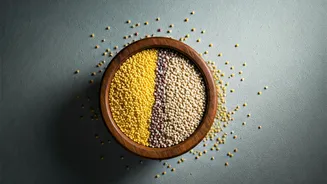
First, What Are Millets?
Before we get too far, let’s clear something up. 'Millet' isn't one single thing, like corn or wheat. It’s a catch-all term for a group of small-seeded grasses that have been cultivated for thousands of years. Think of it as a family of grains, with popular
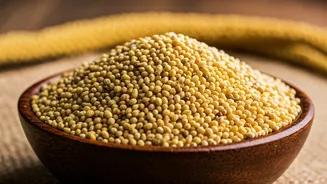
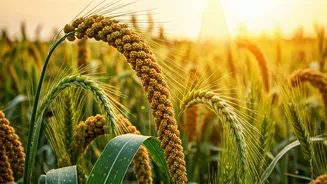
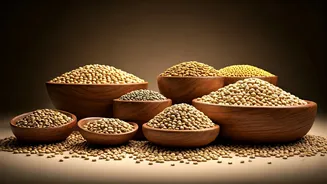
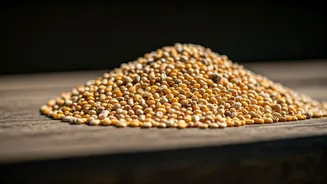
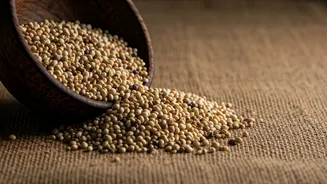
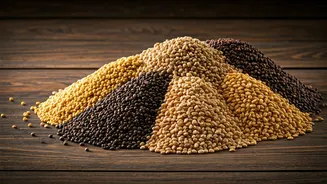
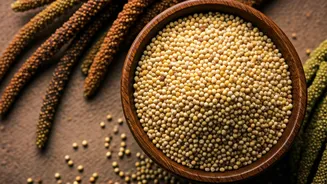
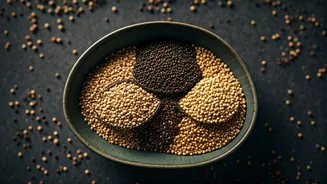
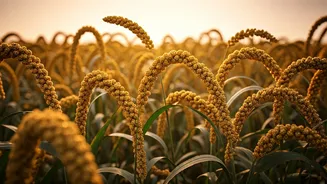
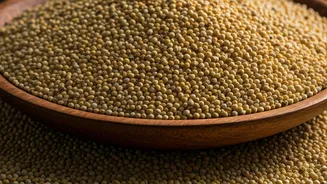
members including pearl millet, foxtail millet, proso millet, and the increasingly trendy fonio and teff. While they look a bit like birdseed to the uninitiated—and yes, they are used in birdseed mixes—these tiny powerhouses have been a foundational food for civilizations across Africa and Asia. They come in various colors, from pale yellow to gray and red, and each has a slightly different flavor profile, generally ranging from nutty and earthy to mildly sweet. Unlike quinoa, which is technically a seed, millets are true cereals, but what they share is a powerful nutritional punch and a story that long predates the modern wellness movement.
A Grain With Deep Roots
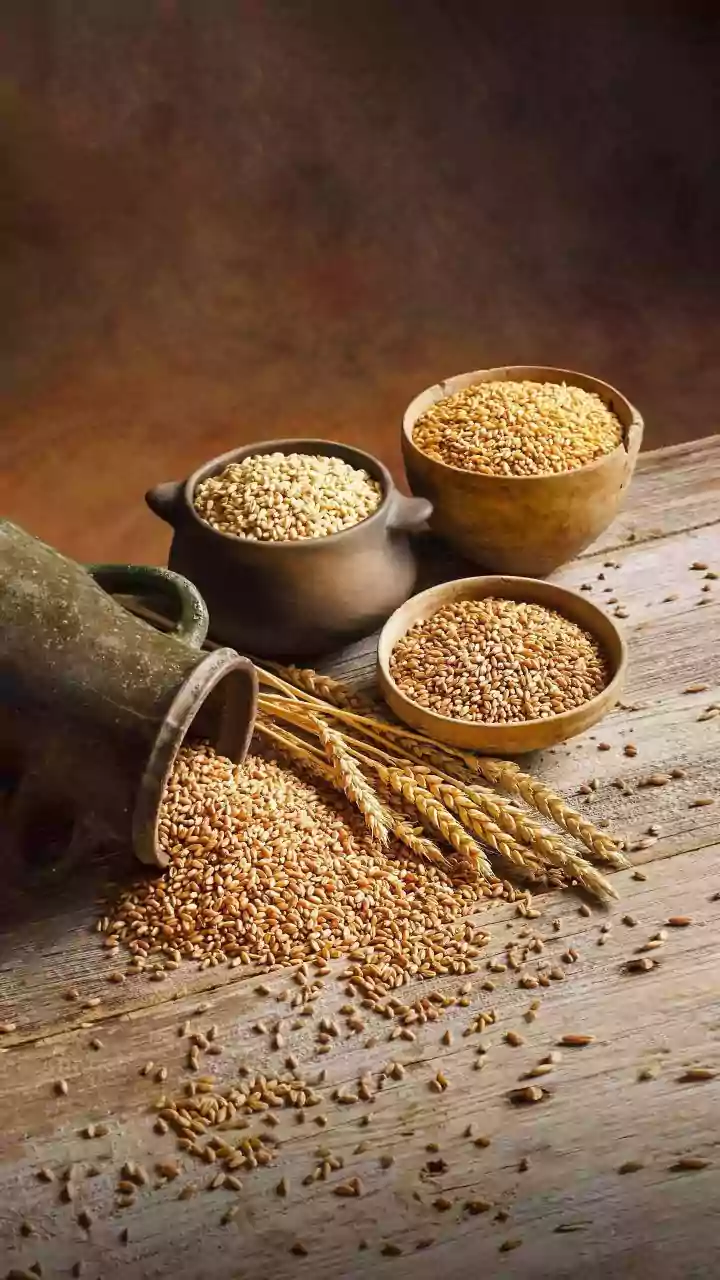
This is where the 'heritage' part of the headline comes into play. Millets are not an overnight sensation; they are arguably one of humanity's first domesticated crops. Archaeological evidence suggests millets were cultivated in China as far back as 8,000 years ago, even before rice. In India and across Africa, they were a staple food that sustained vast populations for millennia, thriving in arid conditions where other crops would fail. Fonio, for instance, is considered one of Africa’s oldest cultivated cereals, cherished for its rapid growth cycle and nutritional value. This isn't just trivia; it's the core of their identity. While industrial agriculture pushed wheat, corn, and rice to global dominance, millets remained a vital, if overlooked, source of sustenance in many parts of the world—a food of resilience passed down through generations.
The Modern Health Halo
So why the resurgence now? Because millets naturally tick all the boxes of modern dietary goals. First and foremost, they are all gluten-free, making them a safe and nutritious alternative for those with celiac disease or gluten sensitivity. But their benefits go much further. They are typically high in fiber, which aids in digestion and promotes a feeling of fullness. They're also packed with essential minerals like magnesium, phosphorus, and iron. Many varieties boast a low glycemic index, meaning they don't cause the rapid blood sugar spikes associated with refined grains, making them a smart choice for managing blood sugar levels. Plus, they offer a solid source of plant-based protein. In an era where consumers are scrutinizing labels for clean ingredients and functional benefits, millets don’t need any marketing spin—their nutritional resume speaks for itself.
The Climate-Smart Superfood
The story gets even more compelling when you zoom out to the planetary scale. Millets are what agricultural experts call 'climate-smart crops.' They are incredibly hardy and drought-resistant, requiring significantly less water than wheat, rice, or corn. They can grow in poor soil with minimal need for fertilizers or pesticides. In a world grappling with climate change, water scarcity, and soil degradation, these are not small advantages. The United Nations even declared 2023 the 'International Year of Millets' to highlight their potential to combat food insecurity and promote sustainable agriculture. Choosing millets, then, isn't just a personal health decision; it's an environmental one. They represent a more resilient, less resource-intensive way to feed the planet, connecting ancient agricultural wisdom with pressing modern challenges.
Making Millets Your Own
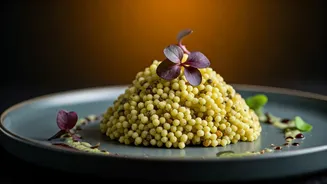
Knowing all this is great, but how do you actually eat them? It’s surprisingly simple. Most millets cook up like rice or quinoa. A common ratio is one part millet to two parts water or broth. Bring to a boil, then simmer for 15-20 minutes until the liquid is absorbed and the grains are fluffy. You can use this basic preparation as a side dish, a base for a grain bowl, or a hearty addition to soups and stews. They can be made into a creamy breakfast porridge, similar to oatmeal. Millet flour is also becoming more common, excellent for gluten-free baking, creating everything from flatbreads to pancakes. The flavor is mild enough to be a versatile canvas; foxtail millet is delicate, while pearl millet is nuttier. Start by swapping it for couscous in a salad or rice in a pilaf, and you’ll quickly see how easily this ancient grain fits into a modern kitchen.