

Embrace Furniture That Does More
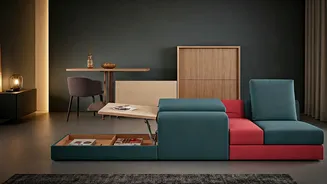
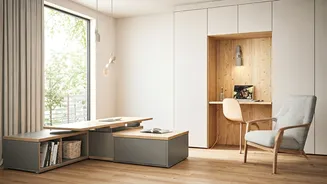
The cornerstone of any flexible layout is multi-functional furniture. This isn't just about the classic pull-out sofa bed anymore. Think of coffee tables that lift to become dining surfaces or workstations, ottomans with hidden storage compartments, and
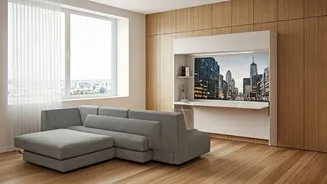
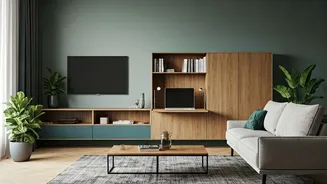
sleek Murphy beds that vanish into the wall to reclaim an entire room's worth of floor space during the day. By investing in pieces that serve two or three purposes, you drastically reduce the number of items needed in a room. This immediately cuts down on visual clutter and physical obstructions, creating an instant feeling of openness. The key is to choose items that transition easily, so switching from 'work mode' to 'relax mode' doesn't feel like a chore.
Go Modular and Movable
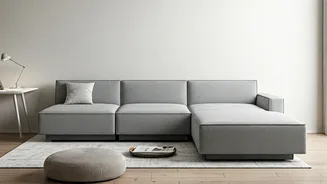
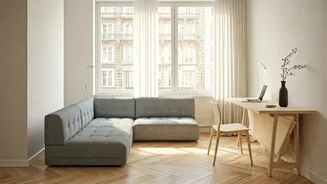
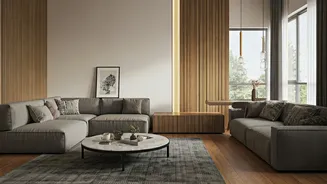
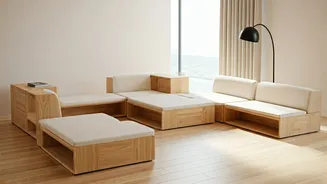
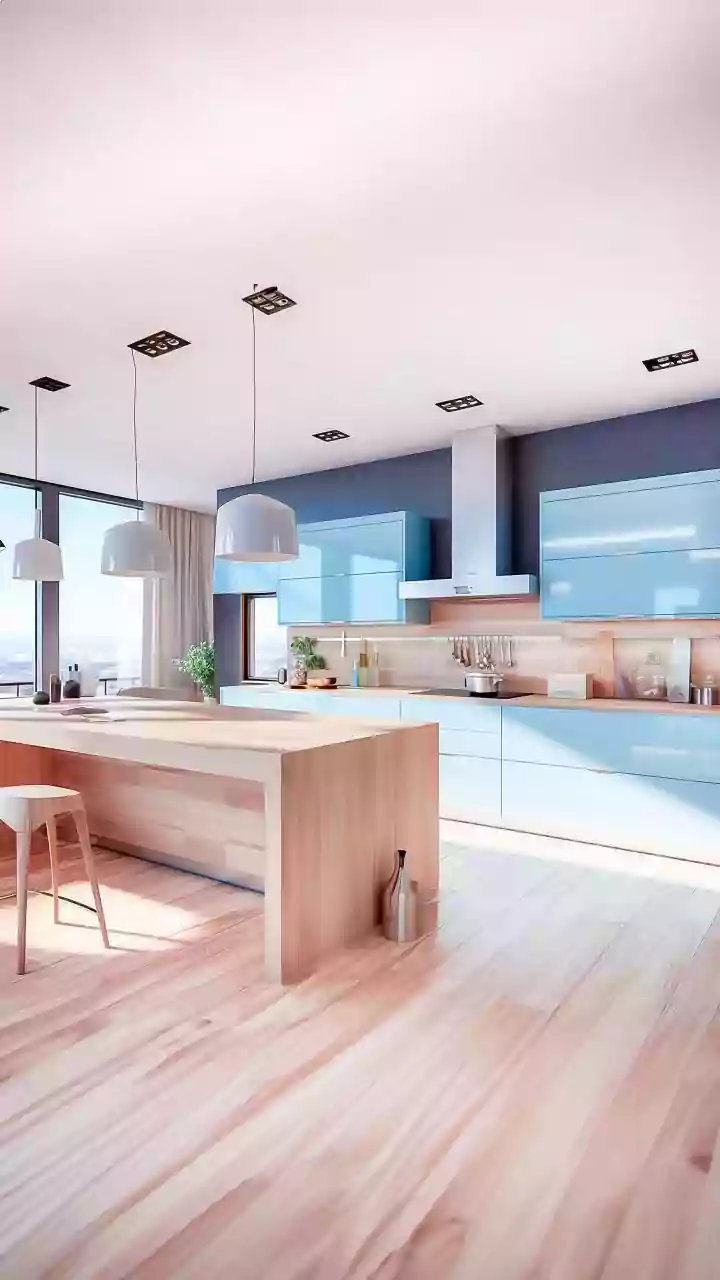
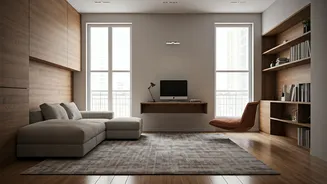
Static, heavy furniture can make a room feel rigid and unchangeable. The opposite—modular and movable pieces—invites transformation. Consider a modular sofa that can be reconfigured from a traditional L-shape into two separate couches or a daybed. Bookshelves, side tables, or even kitchen islands on casters (wheels) provide the ultimate freedom. You can roll them out of the way for a weekend gathering, rearrange them to suit a new project, or shift them to change the flow of a room in minutes. This ability to adapt your environment on the fly empowers you to make the space work for your life, not the other way around, which is crucial in a home where needs can change daily.
Divide and Conquer Without Walls
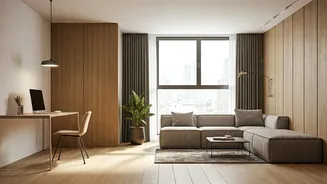
In an open-concept space or a studio apartment, creating distinct areas is essential for a sense of order and calm. But building walls is expensive and permanent. Instead, use creative, non-structural dividers. An open-backed bookshelf can separate a living area from a home office while still allowing light and air to pass through. A strategically placed decorative screen can hide a workout corner when not in use. Even a simple curtain hung from the ceiling can create a cozy, private sleeping nook. These solutions define zones without sacrificing the overall sense of space, giving you the psychological benefit of separation without the physical cost of enclosure.
Define Spaces with Visual Cues
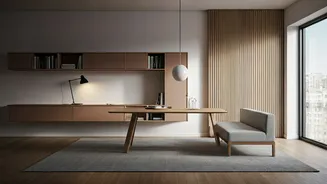
Sometimes, all you need to create a 'room' within a room is a strong visual hint. This technique, known as zoning, uses design elements to signal a change in function. The most common tool for zoning is the area rug. Placing a large rug under your seating area clearly marks it as the 'living room,' distinct from the 'dining area' a few feet away. You can also use paint and lighting. Painting a nook a different color can turn it into a dedicated reading spot. Hanging a pendant light over a table instantly designates it as a dining or work zone. These subtle cues help our brains organize the space, making a single, multi-purpose room feel more intentional and less chaotic.
Rethink the Single-Use Room
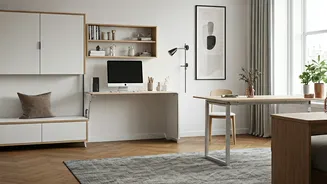
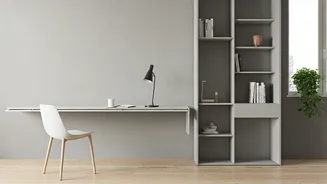
Many American homes are still designed with single-purpose rooms that often go unused, like a formal dining room or a dedicated guest bedroom. In a busy home, this is a luxury few can afford. A flexible mindset challenges this tradition. Can the guest room also be your permanent home office, with a comfortable desk setup and a stylish daybed instead of a full-sized bed? Can the dining room table double as a family project station or homework hub? By abandoning rigid labels, you unlock the full potential of your square footage. It’s about focusing on how you actually live, day to day, rather than adhering to an outdated floor plan.