

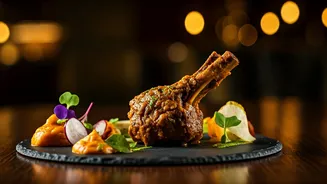


When ‘Imported’ Meant Everything
Remember when luxury dining had a universal uniform? It was the crisp white tablecloth, the hushed tones, and a menu studded with ingredients that signaled expense and distance. Italian white truffles, Russian caviar, Japanese Wagyu, French foie gras.
The status of a dish was often directly proportional to the miles its ingredients had traveled. The chef’s skill was measured by their mastery of classical, predominantly European, techniques. A great American restaurant was often one that did an impeccable impression of a great French or Italian one. This model of luxury was about conquering geography—proving a restaurant had the resources and connections to bring the world to your plate. It was impressive, consistent, and created a global standard for what ‘fine dining’ meant. But in its pursuit of a universal ideal, it often overlooked the culinary stories waiting in its own backyard.
The Rise of Hyper-Regionalism
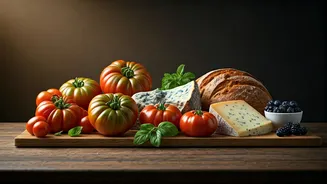
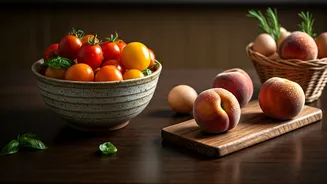
The new status symbol isn’t about sourcing from across the globe, but from down the road. It’s about celebrating a specific place with an almost obsessive focus. This isn't just 'farm-to-table,' a concept that’s now a mainstream marketing term. This is 'terroir-to-table,' where the unique soil, climate, and history of a micro-region become the star of the show. The ultimate luxury is now a dish you couldn't possibly eat anywhere else in the world, because its ingredients are intrinsically tied to the land they came from.
Instead of another serving of imported Wagyu, diners are seeking out the story of an heirloom grain rescued from extinction in the Appalachian hills or a fish caught only in the low-country waters of the Carolinas. The bragging rights come not from the price tag of an ingredient, but from its rarity, its story, and its authentic connection to a place. The chef is no longer just a cook; they are a storyteller, a historian, and a regional ambassador.
Pioneers of Place on the Plate
This shift isn't just theoretical; it's being led by a generation of acclaimed chefs. Sean Brock became a culinary icon by reviving the lost ingredients and forgotten recipes of the American South, particularly Appalachian foodways, at his restaurants. He famously banned pantry staples like olive oil and black pepper because they weren't native to his region, forcing a radical commitment to localism.
In Savannah, Georgia, Mashama Bailey at The Grey earned a James Beard Award for her deep dive into Port City Southern food, exploring the complex culinary heritage of the Gullah Geechee people and the African diaspora. Her menu is a masterclass in how specific history and geography create flavor. Similarly, chefs across the country are finding their voice by exploring the unique culinary identities of places like the Ozarks, the Pacific Northwest’s coastline, or the Sonoran Desert. These restaurants are destinations not just for a good meal, but for a taste of a place’s soul.
Why We Crave Authenticity Now
So, what’s driving this change? It’s a reflection of a broader cultural shift. In a globalized world saturated with generic experiences, we crave authenticity. We want to know where our food comes from, who grew it, and what its story is. This movement aligns perfectly with growing concerns about sustainability—local sourcing means a smaller carbon footprint and support for local economies.
Social media also plays a role. A picture of a perfectly seared scallop is nice, but a picture of a dish made with foraged sea beans and a story about the fisherman who caught the fish that morning offers a more compelling narrative. It’s an experience, not just a meal. This new form of status is less about conspicuous consumption and more about conscious consumption—choosing food that feels meaningful, unique, and deeply connected to a culture and a community.