

The Rise of Functional Beauty
Let’s be honest: you’ve probably spent hours choosing the perfect sofa, but zero minutes admiring your smoke detector. For generations, a hard line existed between the ‘decor’—the things that brought us joy to look at—and the ‘utilities’—the things we needed
to function but preferred to ignore. That clunky router blinking in the corner? The beige, tangled power strip behind the TV? The plastic humidifier wheezing away in the bedroom? These were the necessary evils of modern life, items to be tolerated, not celebrated. But a quiet revolution has been brewing. Driven by a blend of small-space living (where every object must justify its footprint) and a minimalist desire for less, but better, stuff, designers are finally turning their attention to the unglamorous corners of our homes. The new philosophy is simple: if an object has to be in your space, why shouldn’t it be beautiful? This isn’t about luxury for its own sake; it's about intentionality. It's the radical idea that even the most mundane items can contribute to the harmony and style of your home.
Air Purifiers That Look Like Sculptures
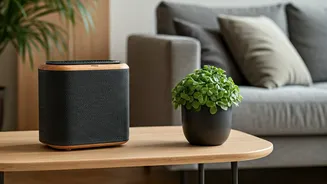
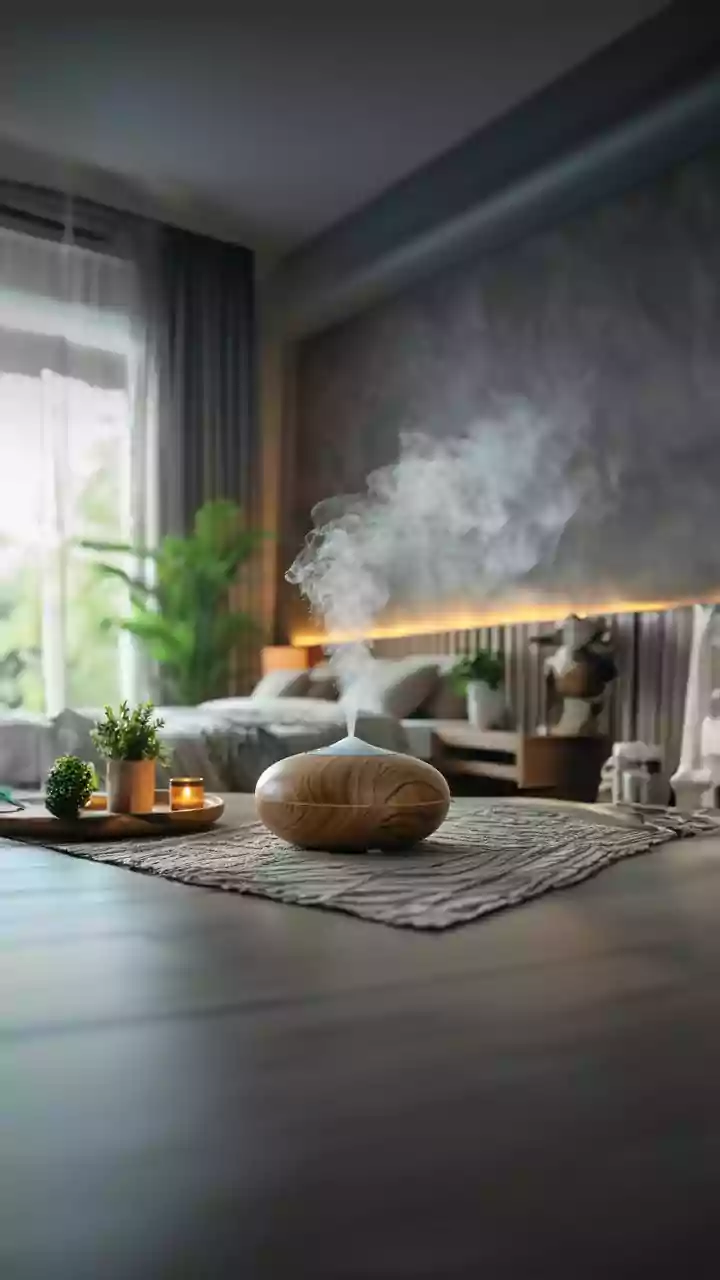
The classic air purifier is a clunky, vaguely medical-looking plastic box. It hums loudly and features a grille that seems designed to collect as much visible dust as possible. You’d stick it in a corner and hope nobody noticed. Today’s best air purifiers and humidifiers, however, are being designed as statement pieces. Brands like Coway, Molekule, and Dyson have led the charge, creating sleek, sculptural towers that blend seamlessly into a modern aesthetic. You’ll find models with gentle curves, fabric-wrapped exteriors, matte finishes in earthy tones, and even wooden legs that make them look like mid-century modern furniture. Instead of an appliance to hide, the new air purifier is a piece of functional art you’re happy to have on display, cleaning your air while looking good doing it.
Power Strips You Don't Have to Hide
There is perhaps no greater symbol of utility-over-form than the traditional power strip. A cheap plastic rectangle with a mess of cords, it’s the bane of every tidy person’s existence. But the era of hiding them behind furniture is ending. Design-forward companies are reinventing the power strip as a considered object. Think sleek, minimalist bars from brands like Character or Gantri, crafted from high-quality materials with cloth-wrapped cords in sophisticated colors like olive green, slate gray, and terracotta. Some even come with magnetic mounts to attach cleanly to the side of a desk. The goal is no longer to make the power strip invisible, but to make it so well-designed that it becomes a deliberate, and even attractive, part of your setup.
Fire Extinguishers That Double as Decor
Fire safety is non-negotiable, but the standard-issue, bright red fire extinguisher clashes with literally every design scheme imaginable. So, it usually ends up buried in a cabinet under the sink—the last place you want it in an emergency. Enter the stylish fire extinguisher. Companies like Safe-T and Joseph Joseph are creating extinguishers that are meant to be seen. Encased in sleek metal cylinders, they come in elegant matte black, gleaming chrome, polished copper, or even vibrant, pattern-heavy designs. They meet all the required safety standards, but their aesthetic appeal means you’re more likely to mount one visibly on a kitchen wall or place it next to a fireplace, where it’s both a conversation piece and instantly accessible when needed.
Cleaning Tools Worthy of Display
Your cleaning supplies have traditionally lived in a dark closet for a reason. Neon plastic dustpans, flimsy brooms, and garish toilet brushes aren't exactly things you want guests to see. But the utility decor trend has reached the broom closet, too. Brands like Staff, Good-Grip, and the Japanese-inspired offerings from Yamazaki Home are transforming these humble tools. We're seeing elegant dustpans made of wood and metal, minimalist toilet brushes in discreet ceramic holders, and brooms with beautifully turned handles that you can proudly hang on a wall hook. This elevation of everyday tools speaks to a broader movement: finding dignity and beauty in the daily rituals of maintaining a home.