





Beyond the Keurig
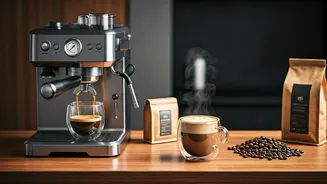
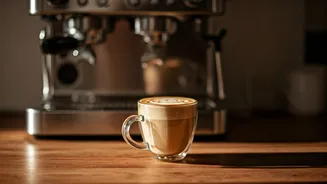
Forget the utilitarian pot of drip coffee or the quick pop of a pod. The Gen Z ‘home café’ is an elaborate, multi-sensory experience. It’s a curated corner of a kitchen or bedroom, often featuring a dedicated espresso machine, a milk frother, and, most
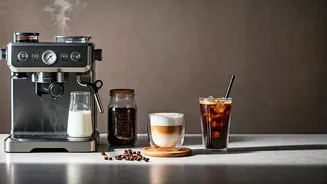
importantly, an ever-expanding library of syrups. Brands like Torani, Monin, and Jordan’s Skinny Syrups are the new collectibles, lined up like trophies. This isn’t about simple caffeine delivery. It’s about crafting a beverage with the complexity of a mixologist’s cocktail: a brown sugar shaken espresso, a lavender-infused matcha latte, or a perfect replica of a seasonal drink from Starbucks, but better, because you made it yourself.
The Allure of the Aesthetic
At its core, home café culture is deeply visual. It's not enough for the coffee to taste good; it must *look* good. This is a phenomenon born from and for social media. The performance involves specific props: vintage-inspired ribbed glassware, clear mugs to show off layers, and novelty ice cube trays that produce perfect spheres or cartoon characters. The process is a form of content creation. The slow-motion pour, the satisfying swirl of espresso into milk, the final sprinkle of cinnamon—it’s all part of a miniature film, shot for an audience of peers. This aesthetic control provides a sense of curated calm and personal branding in a visually driven world. Your coffee station is an extension of your personal style, as carefully chosen as your outfit.
It’s the Economy, Barista
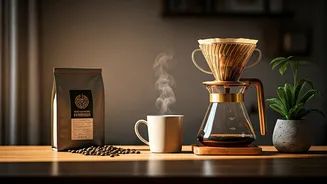
While the aesthetic is paramount, there’s a deeply practical driver behind the trend: economics. When a daily latte from a café can easily cost $6 or more, the habit becomes a significant monthly expense. For a generation facing student debt, high rents, and wage stagnation, the math is simple. A one-time investment in a decent espresso machine (or even a more affordable moka pot or Aeropress) and a few bottles of syrup quickly pays for itself. The home café movement reframes thriftiness as a sophisticated choice. It’s not about deprivation; it’s about achieving an elevated experience for less. This isn’t just about saving money—it's about gaining control over a small luxury, making it both accessible and personalized.
A Ritual in a Chaotic World
The psychological comfort of the home café cannot be overstated. The act of making the coffee is as important as drinking it. In a world that often feels overwhelming and out of control, the methodical, step-by-step process of grinding beans, tamping espresso, steaming milk, and artfully drizzling syrup is a form of mindfulness. It’s a predictable, calming ritual that carves out ten minutes of peace in a busy morning. This daily ceremony offers a small, tangible sense of accomplishment before the day has even truly begun. During the pandemic, when homes became our entire worlds, cultivating these small rituals was a key coping mechanism. The home café provided structure, creativity, and a little bit of joy during a time of profound uncertainty.
More Than Coffee, It’s Connection
While the activity is solitary, the experience is communal. Sharing your ‘coffee of the day’ (#cotd) on TikTok or Instagram connects you to a massive, global community of fellow enthusiasts. People share recipes, review syrups, and offer tips on a new frothing technique. It’s a low-stakes way to participate in a shared cultural moment. This digital connection provides validation and a sense of belonging. Your perfectly layered iced macchiato isn’t just a drink; it’s an entry into a conversation. It’s proof that you, too, are in the know, capable of creating something beautiful and worth sharing. The 'likes' and comments are the modern equivalent of a barista complimenting your order.