




1. The Artisan Find
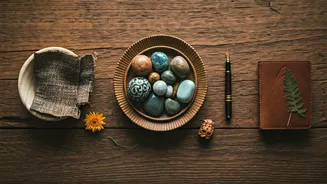
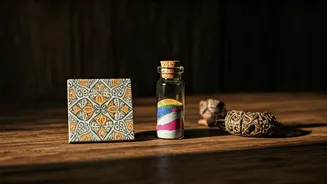
Instead of a mass-produced magnet, picture a hand-painted ceramic tile purchased directly from the artist in their Lisbon studio. This is the new gold standard. The shift towards artisan goods is about more than just aesthetics; it's about connection
and story. Travelers are increasingly seeking out local markets, small boutiques, and co-ops to find items with a verifiable origin and a human touch. Buying a hand-woven textile in Oaxaca or a piece of blown glass in Vermont means you’re not just acquiring an object; you're supporting a local economy, preserving a traditional craft, and bringing home a piece with a narrative. Often, the memory of meeting the maker and hearing their story becomes more valuable than the item itself.
2. The Edible Memento
Some of the most powerful memories are tied to taste and smell. The new wave of souvenirs reflects this, with travelers packing their bags with culinary treasures. Think beyond a box of airport chocolates. We're talking about a bottle of small-batch olive oil from a family farm in Crete, a bag of single-origin coffee beans from a Costa Rican plantation, or a jar of rare honey from the markets of Provence. These items are consumable, shareable, and, most importantly, transportive. Weeks after you've returned, grinding those coffee beans or drizzling that oil can instantly take you back to a sun-drenched cafe or a bustling market, extending the pleasure of the trip long after your suitcase is unpacked.
3. The Utilitarian Treasure
The Marie Kondo effect has reached our luggage. Why buy something that will just collect dust on a shelf when you can get something beautiful *and* useful? This practical mindset is driving travelers toward souvenirs that integrate seamlessly into daily life. Instead of a decorative plate to hang on the wall, people are buying a set of sturdy, handmade ceramic bowls they can use for breakfast every morning. That cheap pashmina has been replaced by a high-quality, hand-loomed wool blanket that becomes a fixture on the living room couch. These items serve as constant, gentle reminders of a favorite place, weaving travel memories into the fabric of your everyday routine.
4. The Experiential 'Keepsake'
Perhaps the most significant evolution is the souvenir that isn't a physical object at all. As travelers prioritize experiences over possessions, the memento has become the memory itself. This could be a certificate from a Neapolitan pizza-making class, a new skill learned at a Thai massage workshop, or a set of professional-quality photographs from a guided hike through a national park. The 'souvenir' is the ability to recreate a perfect pasta dish for friends, the knowledge of a new craft, or the stunning photograph that hangs on your wall. In this model, the money once spent on trinkets is reinvested into activities that deepen the travel experience and create lasting personal growth—a keepsake no one can ever take away.
5. The Hyper-Local Print
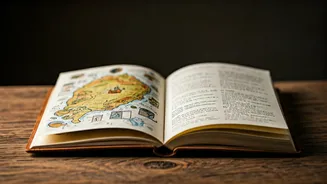
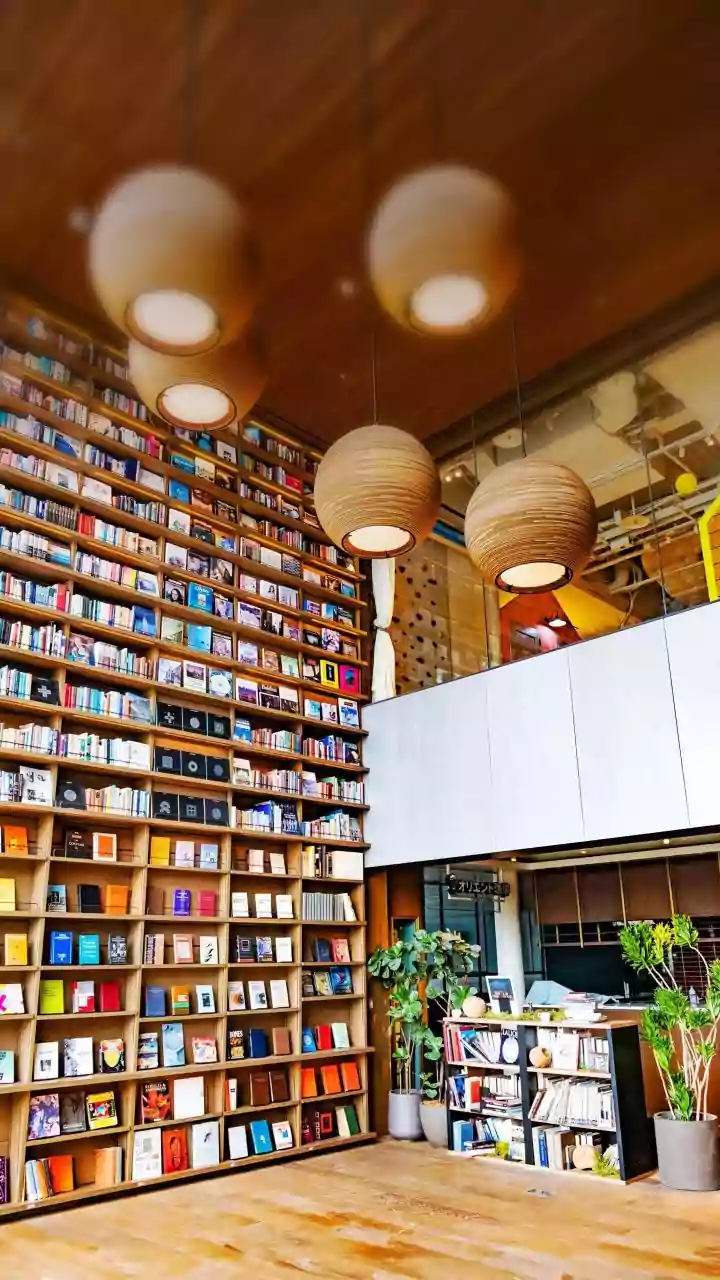
Wall art is getting a deeply personal and local upgrade. Gone are the days of buying a generic, mass-marketed poster of the Eiffel Tower. Today's traveler is more likely to hunt down a print from a local illustrator at a neighborhood art fair, purchase a vintage map from a dusty bookstore, or even frame a high-quality print of their own photography. This approach turns a blank wall into a personal travel gallery. Each piece tells a specific story about a specific moment—the discovery of a hidden shop, the perfect light on a city street, or the work of an artist you genuinely admire. It's a way to curate your home with memories that are authentically and uniquely yours.