





Recognizing a Garden in Distress
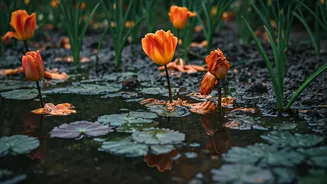
The most obvious sign of a waterlogged garden is standing water that doesn’t drain away hours after the rain stops. But the damage starts at the root level long before your yard looks like a pond. The first clues are often misinterpreted. Your plants
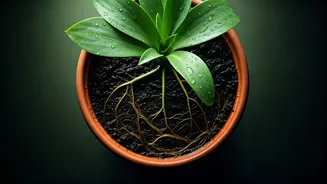
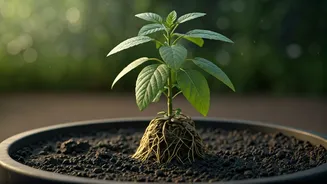
might look wilted, causing you to think they need more water when the opposite is true. The leaves, especially lower ones, may start to turn yellow and drop off—a condition called chlorosis. New growth will be stunted, and the soil surface might develop a green, slimy layer of algae or moss, which thrives in consistently damp conditions. If you gently dig near a struggling plant’s base, you might find that the roots are brown and mushy instead of firm and white. A sour, rotting smell from the soil is another tell-tale sign that things have gone very wrong below the surface.
The Science of the Drowning Plant
Plants don’t just drink water through their roots; they also breathe. Healthy soil is porous, filled with tiny air pockets that allow roots to absorb the oxygen necessary for respiration. When soil becomes saturated with water, these air pockets fill up, effectively suffocating the roots. Without oxygen, root cells die off, losing their ability to absorb water and nutrients. This is why a plant in waterlogged soil can look wilted and dehydrated—its root system is no longer functioning. This oxygen-deprived environment is also the perfect breeding ground for anaerobic pathogens, particularly the fungi and water molds that cause root rot. Once these diseases take hold, they can spread quickly, turning a healthy root system into a decaying mass and killing the plant from the ground up.
Emergency First Aid for Your Garden
If you catch the problem early, you can take immediate steps to mitigate the damage. First and foremost, stop all supplemental watering. Your garden does not need any more moisture. For potted plants, the solution is simple: move them to a sheltered area and ensure their drainage holes are not blocked. For in-ground plants, the task is trickier. If the soil is workable, you can gently aerate the surface with a garden fork, plunging it in and wiggling it back and forth to create channels for air to enter and water to evaporate. Avoid compacting the wet soil by walking on it. If a specific, prized plant is in a severely waterlogged spot, you might consider carefully digging it up, amending the hole with better-draining material, and replanting it, but this is a high-stress maneuver for an already-struggling plant.
Building a Flood-Proof Future
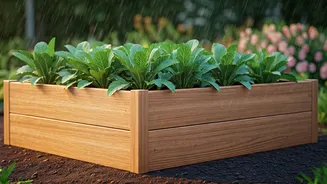
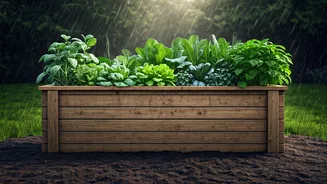
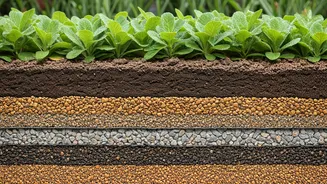
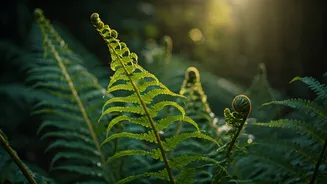
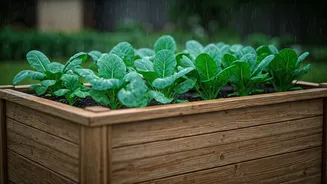
Preventing waterlogging is far more effective than treating it. The best long-term solution is improving your soil structure. Heavy clay soil, common in many parts of the U.S., is notorious for poor drainage. The single best amendment is organic matter. Regularly incorporating several inches of compost, well-rotted manure, or leaf mold into your beds will work wonders. This material improves soil structure, creating the porous, spongy texture that holds moisture without becoming saturated. For chronically swampy areas, consider more significant interventions. Creating raised beds lifts your plants’ roots above the water table. Installing a French drain—a trench filled with gravel and a perforated pipe—can redirect excess water away from planting areas. Finally, work with your landscape instead of against it. Choose plants that tolerate or even love wet feet, such as irises, ferns, and dogwoods, for the lowest and dampest spots in your yard.