


The Indispensable Kadhai
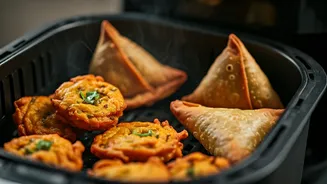
To understand the significance of this shift, you first have to appreciate the kadhai. This wok-like, deep, circular pan is the undisputed workhorse of the Indian kitchen. For centuries, it has been essential for everything from deep-frying crispy samosas
and pakoras to slow-cooking rich, aromatic curries. The kadhai isn't just a piece of cookware; it's a vessel of culinary heritage, passed down through families, its seasoned surface holding the memory of countless meals. Its ability to hold high heat and its unique shape are perfectly suited to a vast range of Indian cooking techniques that form the bedrock of the cuisine. For many, a kitchen without a kadhai is simply incomplete.
Enter the Sleek Competitor
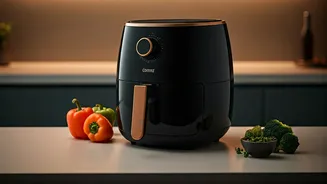
Over the past decade, a sleek, modern appliance began appearing on countertops in urban India: the air fryer. Initially seen as a novelty for making Western-style French fries, its popularity has exploded. Aggressive marketing by global and local brands, combined with glowing reviews from Indian food bloggers and YouTube chefs, repositioned the air fryer as an essential tool for the modern Indian family. It promised convenience, speed, and, most importantly, a healthier way to enjoy beloved snacks without the gallons of oil traditionally required. This promise found a captive audience in a rapidly urbanizing India, where a growing middle class is increasingly pressed for time and conscious of lifestyle-related health issues.
The Quest for Guilt-Free Indulgence
The primary driver behind the air fryer's ascent is health. Traditional Indian cuisine, especially its celebratory and snack food, often involves deep-frying. While delicious, this method is increasingly viewed with suspicion by a health-conscious population grappling with rising rates of diabetes and heart disease. The air fryer offers a compelling compromise: the ability to achieve a similar crispy texture on favorites like potato tikkis, paneer tikka, and even samosas, using a fraction of the oil. It allows people to indulge in nostalgic comfort foods without the associated guilt. For many families, it’s not about abandoning their favorite dishes but about finding a more sustainable way to enjoy them regularly.
Reimagining Classics, One Batch at a Time
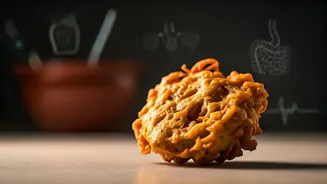
Social media is flooded with Indians proudly showing off their air-fried creations. That crispy-on-the-outside, soft-on-the-inside vada? Made with a teaspoon of oil. That perfectly charred chicken kebab? Done in 15 minutes with minimal mess. The air fryer has spurred a wave of culinary creativity, prompting home cooks to adapt generational recipes for a new piece of technology. While it can’t replicate the complex, slow-cooked magic of a kadhai-simmered curry, it excels at roasting, baking, and crisping. This has made it an indispensable second tool, used for everything from roasting vegetables for a quick sabzi to making a batch of healthy banana chips for the kids.
A Debate Over Authenticity
Of course, not everyone is a convert. For purists, an air-fried samosa is a contradiction in terms. They argue that the flavor and texture derived from hot oil are integral to the dish and simply cannot be replicated by circulating hot air. They contend that something essential is lost in this translation—the decadent, full-bodied richness that defines so many classic Indian treats. This debate highlights a larger cultural conversation happening in India today: how to balance reverence for tradition with the embrace of modernity. The kadhai represents the authentic, time-honored way, while the air fryer stands for a new, pragmatic, and health-focused approach.