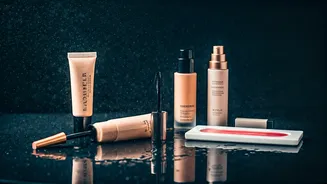






First, What Is a Skin Tint?
Think of a skin tint as the laid-back cousin of foundation. While traditional foundations are formulated for maximum coverage, skin tints prioritize hydration and a natural, sheer finish. They are lightweight, often water-based liquids or gels designed
to even out your skin tone without masking it entirely. Their primary goal isn’t to cover every imperfection but to create a healthy, uniform canvas that looks and feels like your own skin, just better. This makes them fundamentally different from high-coverage concealers or thick, creamy foundations that create an opaque layer over your face.
Why Heavy Foundation Fails in Humidity
When the air is thick with moisture, your skin struggles to breathe and regulate its temperature, often leading to more sweat and oil production. A heavy, full-coverage foundation acts like a suffocating blanket. It traps heat, sweat, and oil, creating the perfect storm for clogged pores, breakouts, and that dreaded cakey, separated look. The silicones and heavy emollients found in many long-wear foundations can feel slick and greasy as the day wears on, causing makeup to slide around rather than stay put. In a battle between a thick foundation and a humid day, humidity almost always wins.
The 'Breathable' Advantage
Breathable makeup, like a skin tint, works with your skin instead of against it. These formulas typically contain fewer heavy oils and pore-clogging ingredients. Instead, they often rely on water, glycerin, and hyaluronic acid to provide a fresh, dewy look that allows your skin to perspire naturally. Because they are so sheer, there’s less pigment to crease, melt, or settle into fine lines. The result is a finish that looks fresh for hours, even as you sweat. It’s a minimalist approach that embraces your natural skin texture while providing just enough polish to make you feel put-together.
Look for Water-Based Formulas
When shopping for a humidity-proof tint, check the ingredient list. The best options for hot, wet weather are often water-based (listed as 'aqua' or 'water' as the first ingredient). These formulas feel weightless and refreshing on the skin and are less likely to contribute to excess shine. Many also contain skin-loving ingredients that provide a secondary benefit. Look for humectants like glycerin or hyaluronic acid, which draw moisture into the skin, keeping it plump and hydrated without adding oil. Some tints even include soothing ingredients like niacinamide or antioxidants, turning your makeup step into a bonus skincare treatment.
Application Is Everything
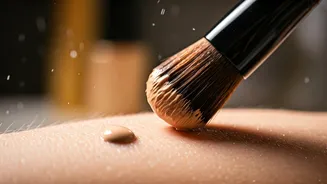
The minimalist ethos extends to how you apply the product. Forget thick brushes or dense sponges that can lead to over-application. The best tool for applying a skin tint is your fingers. The warmth from your hands helps the product melt seamlessly into your skin, creating the most natural and undetectable finish. Start with a tiny, pea-sized amount and gently press and blend it from the center of your face outward. Build coverage only where you need it, such as around the nose or on areas with redness. For any stubborn blemishes, use a pinpoint concealer after your tint, rather than layering on more of the tint itself.
Set It Strategically
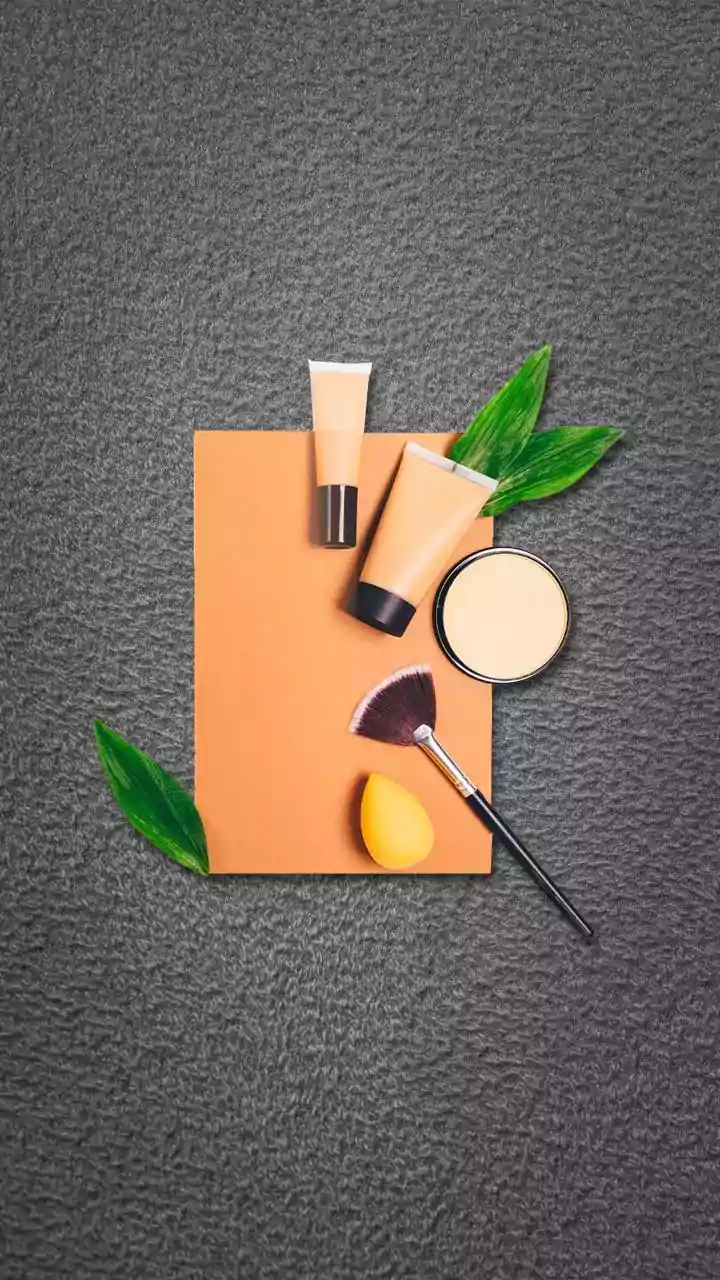
Even with a lightweight tint, a little setting powder can go a long way in a humid climate. However, avoid dusting it all over your face, which can mattify the fresh, dewy glow you just created. Instead, use a small, fluffy brush to apply a translucent setting powder *only* to the areas that tend to get the most oily, like your T-zone (forehead, nose, and chin). This targeted approach will lock your makeup in place and control shine where it matters most, while allowing the high points of your face, like your cheekbones, to retain their natural-looking radiance.