






More Than Just an App
Forget downloading a single meditation app or calorie counter. For a growing number of young Indians, wellness isn't a single activity but a fully managed, tech-driven lifestyle. This isn't just about using a Fitbit; it's about creating a personal 'stack'
of digital tools that govern everything from fitness and nutrition to sleep and mental health. This generation, born into a digital-first India with cheap data and ubiquitous smartphones, sees technology not as an add-on but as the fundamental operating system for self-improvement. The goal is optimization, and the means are a suite of interconnected services that create a seamless feedback loop of data, guidance, and community.
The Rise of the Super-App
At the heart of this trend are homegrown 'super-apps' like Cult.fit (formerly Cure.fit). Imagine a single subscription that gives you access to a network of physical gyms, live-streamed home workouts, guided meditations, meal planning and delivery, and even consultations with doctors and therapists. It’s an all-in-one model that mirrors the convenience culture seen in other sectors, like ride-sharing and food delivery. By bundling physical and digital services, these platforms remove friction and create a powerful ecosystem that keeps users engaged. For a generation juggling immense academic and professional pressure, the appeal of a one-stop shop for well-being is enormous. It transforms wellness from a series of chores into a single, managed service.
Data-Driven Selfhood
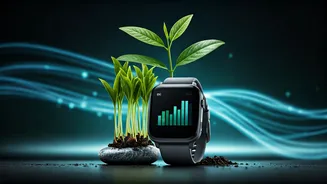
This ecosystem is fueled by data. Wearables are central, but the new wave goes far beyond simple step counting. Devices like the Ultrahuman Ring, a smart ring developed in India, provide continuous monitoring of sleep, heart rate variability (HRV), and body temperature. The data is then fed back into an app that offers personalized, actionable insights—not just tracking what you did, but telling you how to perform better tomorrow. This bio-hacking ethos is particularly resonant with an ambitious generation raised on metrics and performance. It reframes wellness as a quantifiable project, where personal health can be analyzed, tweaked, and improved with the same precision as a piece of code.
Digital Sanctuaries for Mental Health
Perhaps the most significant shift is happening in mental wellness. In a culture where therapy has historically been stigmatized, apps like Headspace, Calm, and a host of local competitors are providing a private, accessible entry point for mental health care. For many young Indians, a guided meditation or a digital journaling prompt is their first-ever interaction with structured mental self-care. These apps normalize the conversation around stress, anxiety, and burnout. They offer a discreet way to manage the pressures of modern life, creating digital sanctuaries that are available 24/7. This tech-enabled approach is helping to destigmatize mental health for an entire generation, making it just another trackable, manageable part of their overall wellness portfolio.
Community and Competition
This is not a solitary pursuit. Social features are woven into the fabric of these ecosystems. Leaderboards in live workout classes, shared progress reports, and community forums turn personal wellness into a collective experience. Friends can compete on their sleep scores or encourage each other through a tough fitness challenge. This social layer provides accountability and motivation, tapping into the same dynamics that power social media. It creates a powerful network effect, where the value of the platform increases as more friends join. In doing so, it blends the age-old desire for community with the modern language of likes, streaks, and digital validation, creating a uniquely Gen Z form of support.