



Get Grilling, Seriously
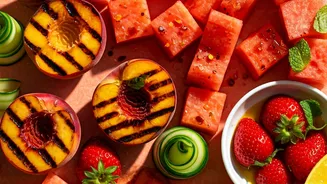
Applying heat and flame to fruit isn’t a new concept, but it’s experiencing a major revival beyond the classic pineapple ring. Grilling does something magical to stone fruits like peaches, plums, and nectarines. The high, direct heat caramelizes the natural
sugars, creating a smoky, jammy sweetness that’s complex and deeply satisfying. The grill marks don’t just look great; they’re a roadmap of concentrated flavor. Here’s how to do it right: cut your fruit in half, remove the pit, and brush the cut side lightly with a neutral oil (like canola or grapeseed) to prevent sticking. Place them cut-side down on a clean, hot grill for just a few minutes, until you see distinct char marks and the fruit has softened. Serve them warm with a scoop of vanilla ice cream, a dollop of mascarpone, or a crumble of goat cheese for a simple, show-stopping dessert.
Embrace the Savory Side
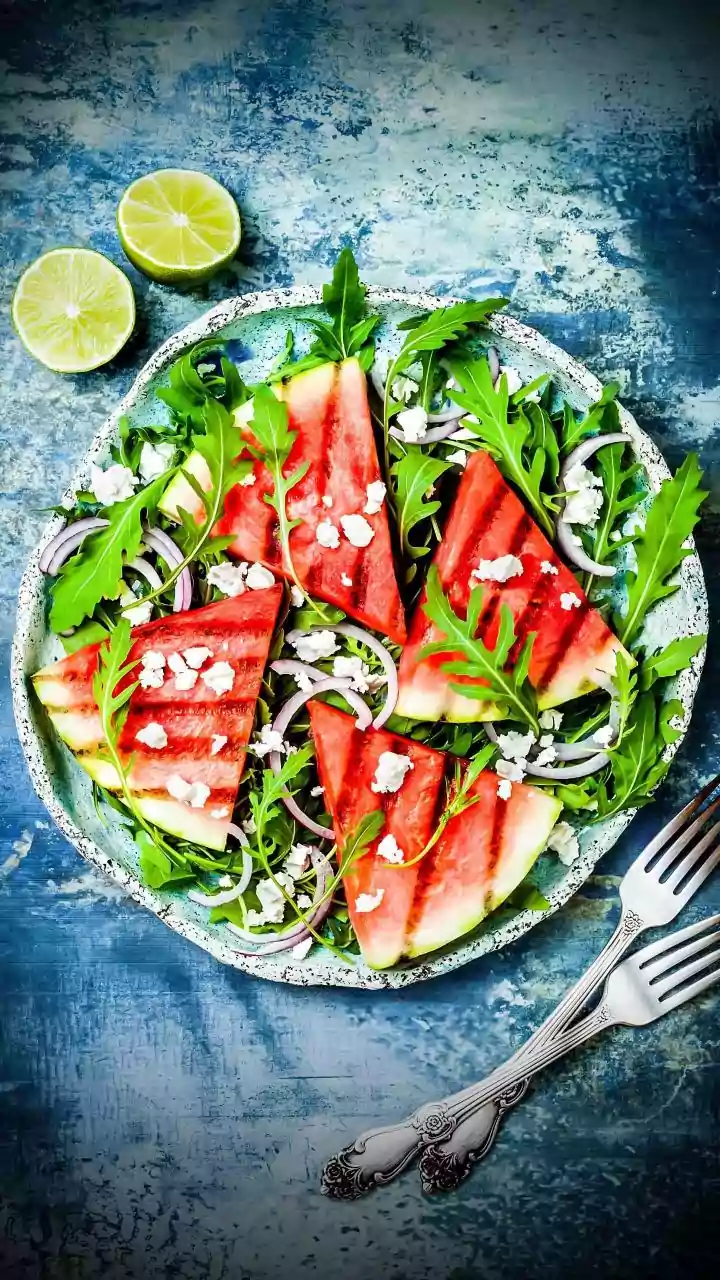
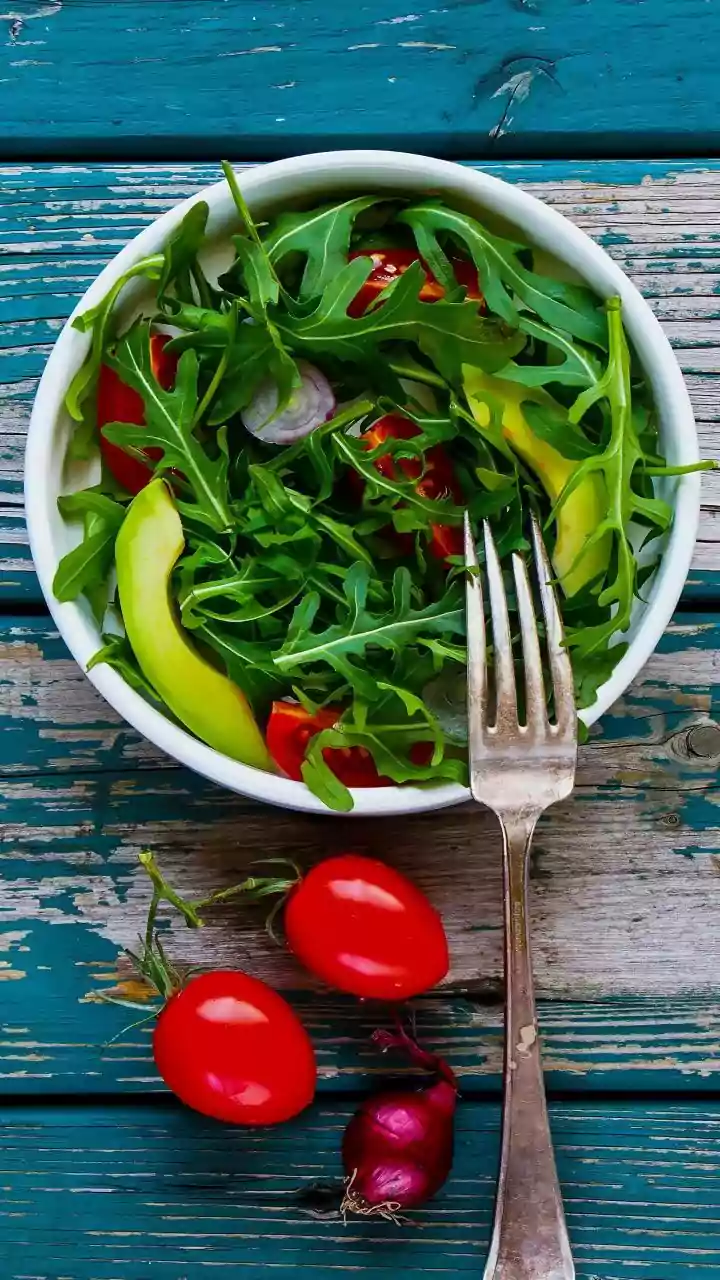
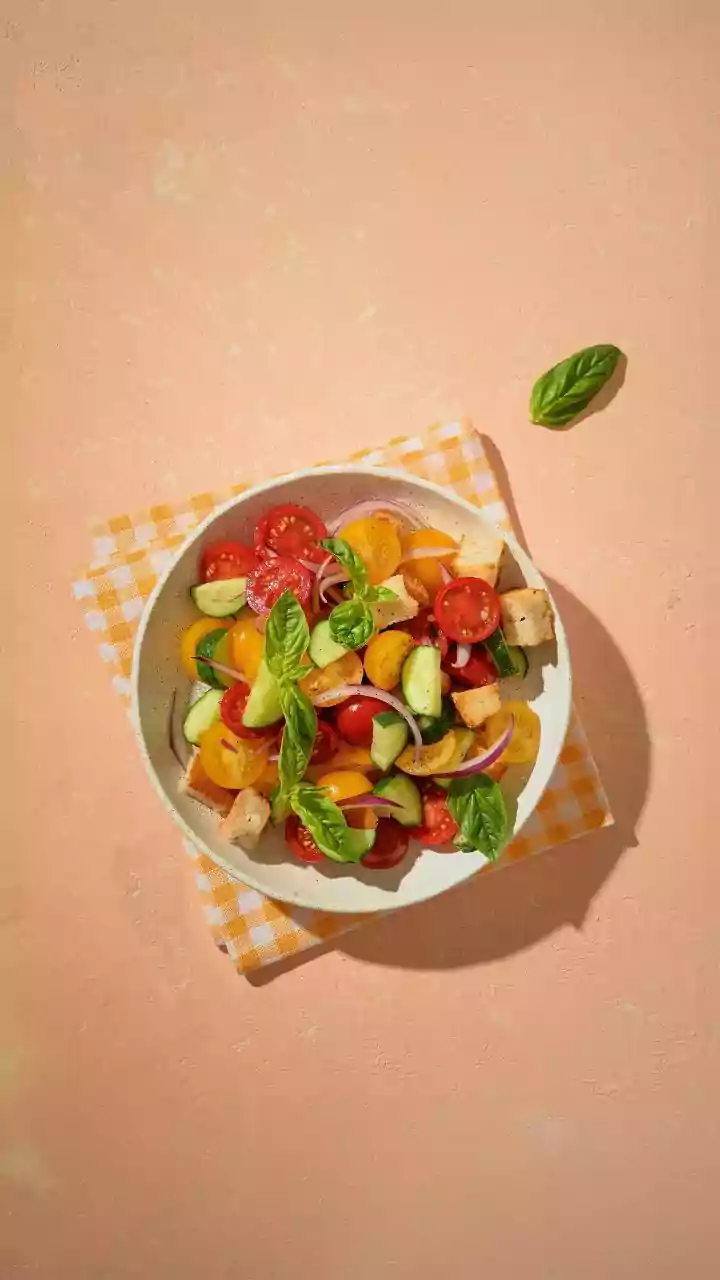
The line between sweet and savory has officially blurred, and fruit is leading the charge. Treating fruit like a vegetable is one of the most exciting shifts in modern home cooking. Think beyond prosciutto-wrapped melon (though it remains a classic for a reason). Consider a salad of juicy watermelon cubes tossed with salty feta, fresh mint, and a drizzle of olive oil. Or try thinly sliced peaches layered with creamy burrata, fresh basil, and a sprinkle of flaky sea salt and black pepper. The key is balance. The sweetness of the fruit is a perfect counterpoint to salty cheeses, peppery greens like arugula, savory cured meats, and bright, acidic vinaigrettes. It’s a technique that turns a simple fruit into the star of a sophisticated appetizer or light lunch.
Bring the Heat
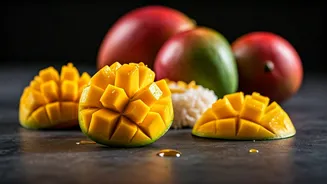
If you haven’t yet drizzled hot honey on a pizza or fried chicken, you’ve been missing out on one of the decade's defining flavor combinations. Now, that same sweet-heat magic is being applied to fruit. A spicy glaze or drizzle adds a thrilling new dimension that wakes up the palate. The capsaicin in the chili creates a gentle warmth that makes the fruit’s natural sweetness pop in an unexpected way. This trend is incredibly versatile. A drizzle of chili-infused honey or a sprinkle of a spicy seasoning blend like Tajín works wonders on tropical fruits like mango, pineapple, and watermelon. For a more subtle approach, try tossing fresh berries with a pinch of black pepper and a splash of balsamic vinegar. It's a simple trick that adds an element of surprise and sophistication to your fruit platter.
The Quick Pickle
Pickling isn't just for cucumbers anymore. A quick pickle, also known as a refrigerator pickle, is a fantastic way to preserve the essence of a fruit while adding a tangy, acidic kick. Unlike long-term canning, this method is fast, easy, and doesn’t require special equipment. Pickled strawberries, for instance, are a revelation on salads, toast with ricotta, or even as a cocktail garnish. Pickled cherries add a tart punch to cheese boards, and pickled watermelon rind is a classic Southern tradition finding new fans nationwide. To make a quick pickle brine, you just need a simple ratio of vinegar (apple cider or white wine vinegar works well), water, sugar, and salt. Heat them until the solids dissolve, pour the mixture over your sliced fruit in a jar, add aromatics like peppercorns or star anise if you like, and let it cool in the fridge for a few hours. The result is a bright, zesty condiment that extends the life of your fruit and elevates any dish it touches.